REVIEW · GDANSK
Gdansk: Private Small-Group Stutthof Tour
Book on GetYourGuide →Operated by Mr.Shuttle · Bookable on GetYourGuide
History here is close and heavy. I like that this is a private licensed guide experience and you get to see the old and new camp quarters, not just the most famous spots. The gas chambers and crematorium are described with disturbing clarity, so it can be emotionally intense, and the 4-hour total may feel a bit tight if you tend to linger.
You start with hotel pickup in Gdansk, Sopot, or Gdynia, then ride out in air-conditioned comfort with a small group capped at 8. I also like the practical rhythm: about an hour driving each way, then roughly two hours inside so you’re not stuck on a long, slow day.
This is not a casual outing. It’s not recommended for kids under 13, you’ll be on your feet in real camp grounds, and if the weather is chilly you’ll want an extra layer because it can be windy.
In This Review
- Key highlights worth aiming for
- Stutthof From Gdansk: What the 4 Hours Really Covers
- Hotel Pickup and the Small-Group Advantage (Max 8)
- Arriving at Stutthof Museum: How Your Guide Sets the Stage
- The Old and New Camp Quarters: More Than Just Buildings
- Gas Chambers and the Crematorium: Expect Plain, Direct Accounts
- Pay Your Respects at the Victims’ Monument
- Learning About Pomerania’s Persecution and Occupation
- Price and Value: Is $160 Fair for This Day?
- Practical Tips: What to Wear and How to Prepare
- Who This Tour Suits Best
- Should You Book This Stutthof Small-Group Tour?
- FAQ
- How long is the Stutthof private small-group tour from Gdansk?
- What’s included in the tour price?
- Is food and drinks included?
- What languages is the tour available in?
- What’s the group size limit?
- What should I bring or wear?
Key highlights worth aiming for
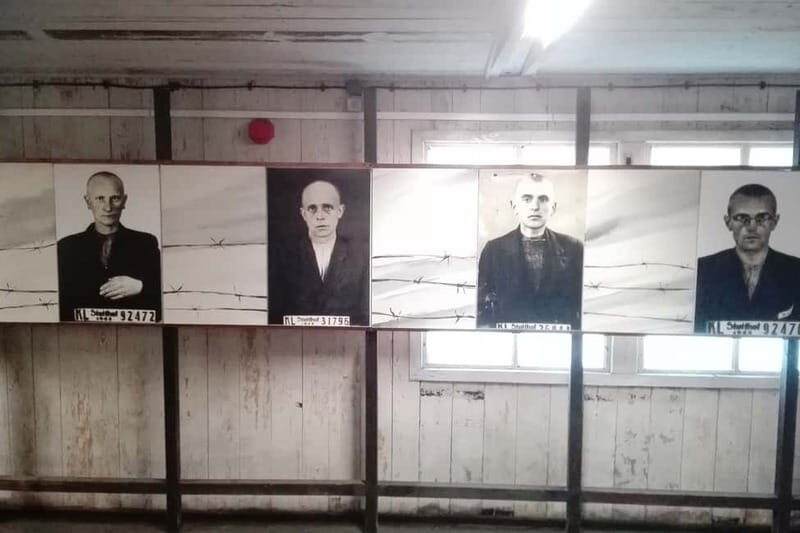
- Licensed, private guiding at Stutthof, with the chance to ask questions in English, German, or Russian
- Old and new camp quarters, plus the commander’s villa route for context
- Gas chambers and crematorium visits, handled with direct, factual storytelling
- A stop at the camp victims’ monument so the trip includes a moment of respect
- Pickup anywhere in Gdansk (and also Sopot/Gdynia), with a small group limited to 8
Stutthof From Gdansk: What the 4 Hours Really Covers
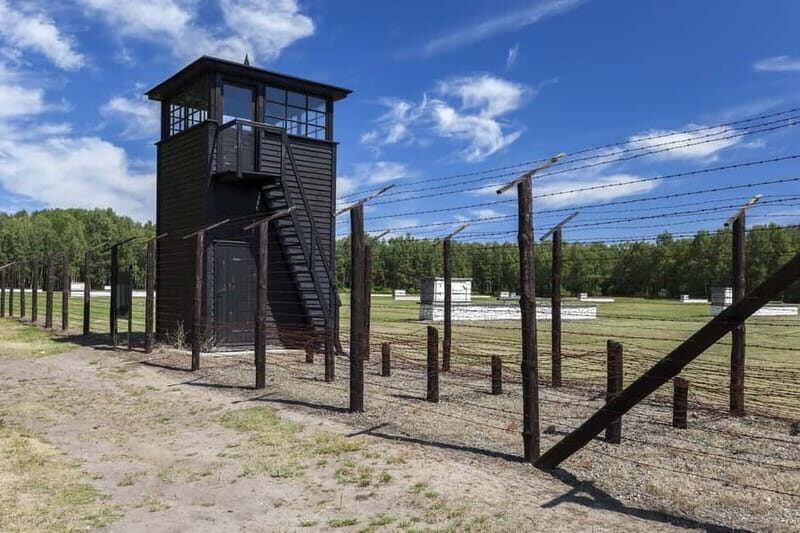
This tour is designed to be doable from the Baltic city vibe of Gdansk without turning your day into a marathon. Expect a total of about 4 hours, with roughly 1 hour each way by car plus a focused 2-hour visit inside Stutthof.
That timing matters. If you want a serious visit but also need to keep the rest of your day open—dinner, a walk around Długi Targ, maybe one more museum—this format is built for that. It also means the guide has to prioritize the most important areas, so you’ll get a coherent story rather than random wandering.
The day starts with pickup from your hotel or chosen location in Gdansk, with service also available from Sopot and Gdynia. A driver then handles the transfer so you’re not dealing with schedules, parking, or finding the right entrance on your own.
Other Stutthof Concentration Camp tours we've reviewed

Hotel Pickup and the Small-Group Advantage (Max 8)
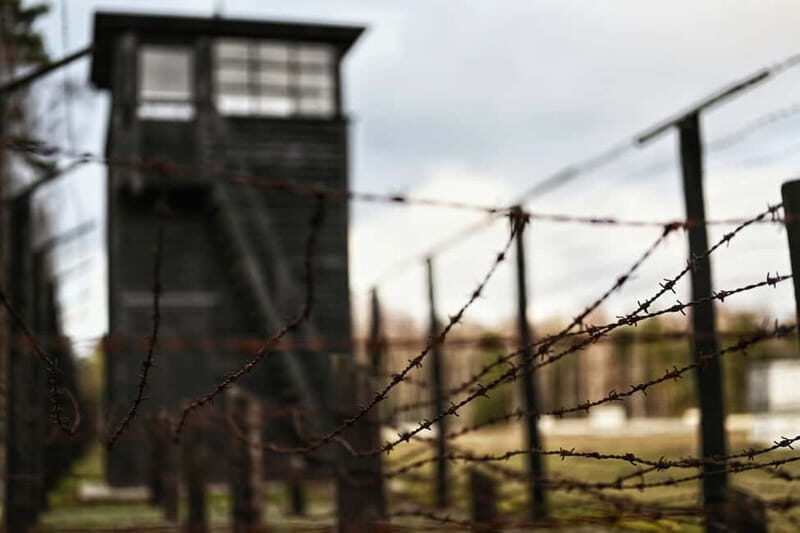
One of the easiest wins here is how the day begins: you’re collected right in front of your hotel or apartment, and you’re returned there at the end. You can pick any location in Gdansk, which is handy if your lodging is outside the tightest center streets.
The group size is kept small (up to 8), which changes the feel. You can usually hear the guide without the “tour bus echo,” and questions land in a real conversation. In the past, the experience has stood out for friendliness and punctual pickup—drivers like Samy have been mentioned as being very nice and on time.
You’re also riding with a private, air-conditioned vehicle and an English-speaking driver (you’ll still meet the guide on site for the full explanation). That sounds like comfort, but it’s also about reducing friction when your schedule is tight and the subject matter is heavy.
Arriving at Stutthof Museum: How Your Guide Sets the Stage
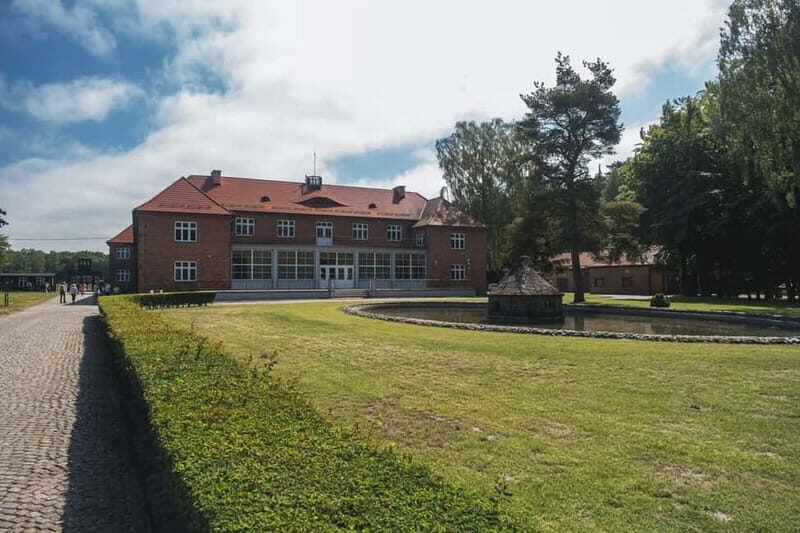
Once you reach the Stutthof area (after about an hour drive), your driver turns you over to the private guide. This handoff is important: you’re not left to piece together the site yourself first.
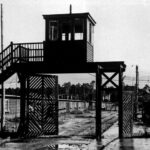
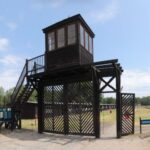
From there, the guide’s job is to give you a framework. Stutthof is often described as the first Nazi concentration camp outside German territory, and that fact isn’t just trivia—it helps explain why the site became a tool for occupation policies in Pomerania and beyond.
You’ll also get what you need to interpret what you see. The visit is structured around the main camp quarters and the key areas tied to the camp’s machinery of persecution and mass murder. With a licensed guide, it’s less about “spot the plaque” and more about understanding the logic of the system.
The Old and New Camp Quarters: More Than Just Buildings
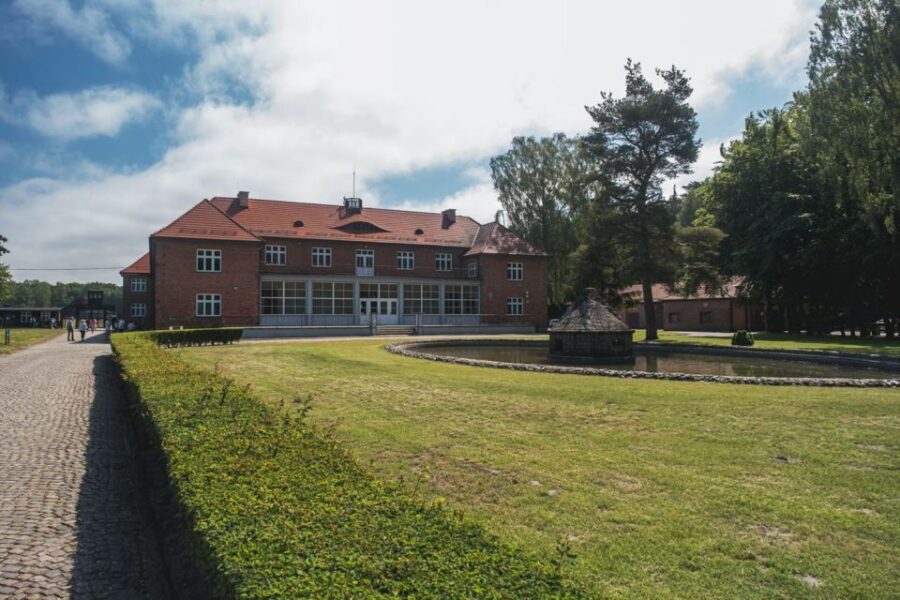
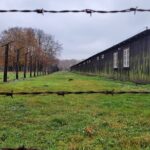
Inside the camp, you’ll move through both the old and new camp quarters. This is a valuable choice, because it helps you understand that this wasn’t a static location. Camp organization changed over time, and the way you experience the site follows that reality.
You’ll also pass through the commander’s villa area. Even though it sounds like an odd detour in the middle of a memorial visit, it matters for perspective. It anchors the power imbalance—who controlled the camp, and how that control was enforced through space and routine.
Why I like this stop sequence: it gives you a sense of how daily life in and around the camp was shaped. Instead of seeing isolated horrors, you get a bigger picture of how the place functioned. And because it’s guided, you’re less likely to miss the “why” behind what you’re standing in front of.
Also, you’ll be walking on uneven ground in a real historical site, so comfortable clothing and shoes aren’t just a suggestion. They’re what let you actually take in the site at an appropriate pace.
Gas Chambers and the Crematorium: Expect Plain, Direct Accounts
This is the emotionally hardest part, and it’s handled as a key feature of the tour. You’ll visit the gas chambers and the crematorium, and you’ll hear terrifying reports of mass murder.
I appreciate that the experience doesn’t soften this. The point of a guided visit here isn’t to keep things comfortable; it’s to make the history clear. The guide’s framing helps you connect the physical spaces to what happened there—how the camp’s machinery worked, and what it meant for the people targeted for persecution.
A practical note: since the entire camp visit is about 2 hours, these stops happen within that fixed window. One prior group feedback noted that the end of the tour can feel slightly rushed. If you tend to process slowly—pausing often, reading details longer, taking in the atmosphere—keep that in mind and plan your mindset for a structured visit.
Even with the structure, it’s still a respectful, serious experience. The goal is understanding, not checklist tourism.
Other private tours in Gdansk





Pay Your Respects at the Victims’ Monument
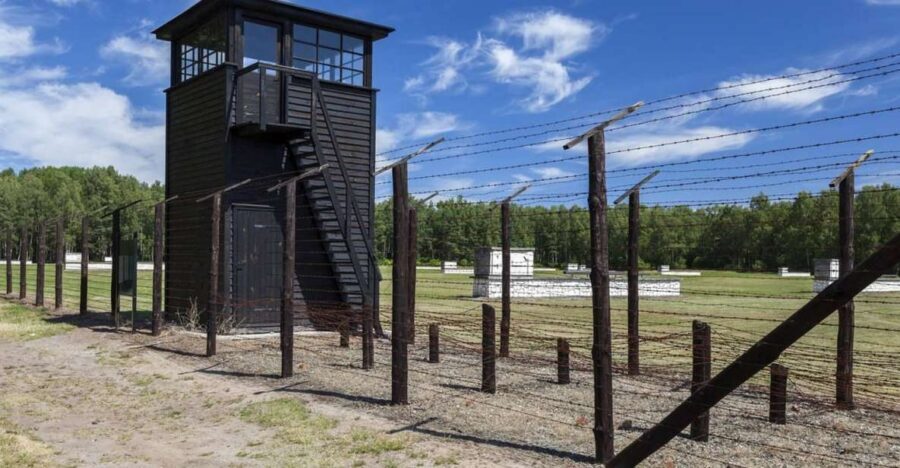
After the harsher parts of the tour, you get the chance to ground the visit in remembrance. You’ll be able to pay your respects at the camp victims’ monument.
This matters because it changes the tone of the day. Instead of leaving the camp only with images of machinery and suffering, you’re also given a built-in moment of recognition—an intentional stop that reminds you this was about real people and real lives cut short.
It’s also a good place to let your brain catch up. The tour’s timeline is fairly full, and the monument visit helps shift from “what happened here” to “what it means.”
Learning About Pomerania’s Persecution and Occupation
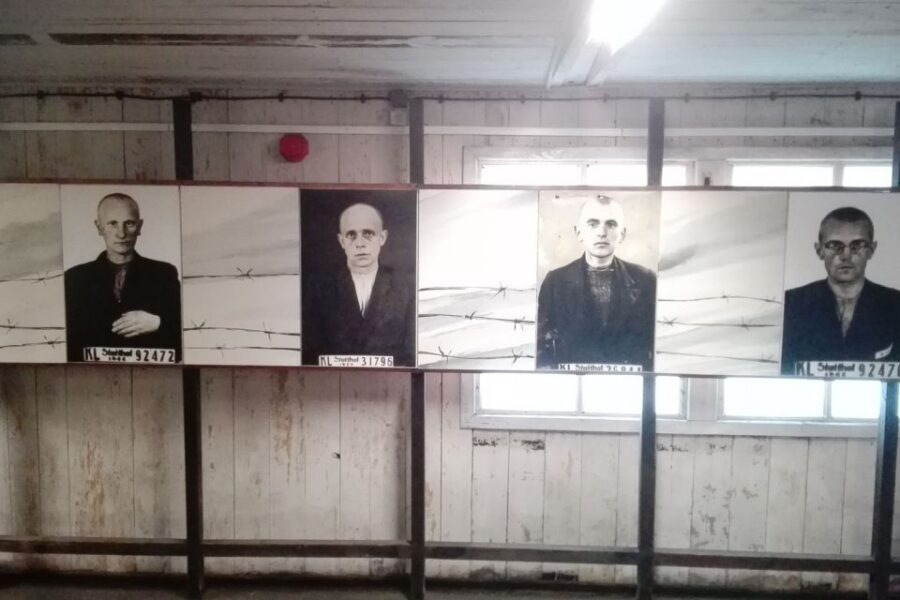
As you continue through the experience, the guide covers persecution and occupation in Pomerania. This is the part many visitors find turning-point valuable.
The reason: it helps connect the site to the wider story around it. Stutthof isn’t just a contained site in a vacuum; it sits inside a broader network of occupation policies and targeted persecution. When your guide ties the camp to Pomerania’s history, you start to see the logic of how such camps fit into a wider system.
This is also where a great guide makes a difference. In past feedback, guides like Michael have been praised for being engaging with strong insight, and Thomas has been noted for making the tour interesting even while staying respectful to the topic.
If you choose a tour like this, don’t just show up expecting facts on a wall. Show up ready to connect dots.
Price and Value: Is $160 Fair for This Day?
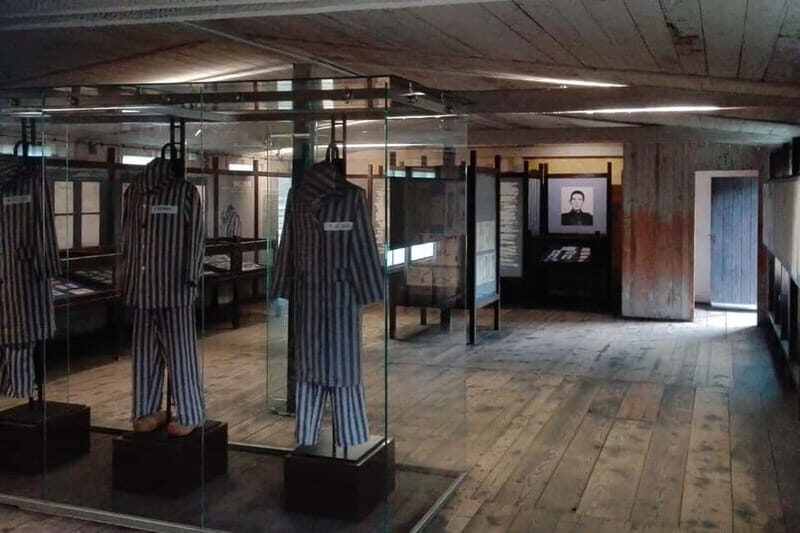
At $160 per person, you’re paying for a private, guided, out-of-town memorial visit—not just an entry ticket.
Here’s what’s included:
- Hotel pickup and drop off from anywhere in Gdansk, plus pickup/drop-off service in Sopot and Gdynia
- Private air-conditioned transportation and an English-speaking driver
- A private guide at Stutthof
- Insurance
- Skip the ticket line
Value usually comes down to time and attention. Two hours with a private licensed guide at a major memorial site is not something you easily replicate on your own without planning and good luck finding the right context.
The one clear tradeoff is that it’s not a full-day trip. If you want a slow, open-ended memorial experience, the fixed 4-hour window may not satisfy. But if you want the key areas covered with guidance—and you want your day managed—this pricing starts to look more reasonable.
Food and drinks are not included, so you’ll likely want to plan a meal either before pickup or after you return to Gdansk.
Practical Tips: What to Wear and How to Prepare
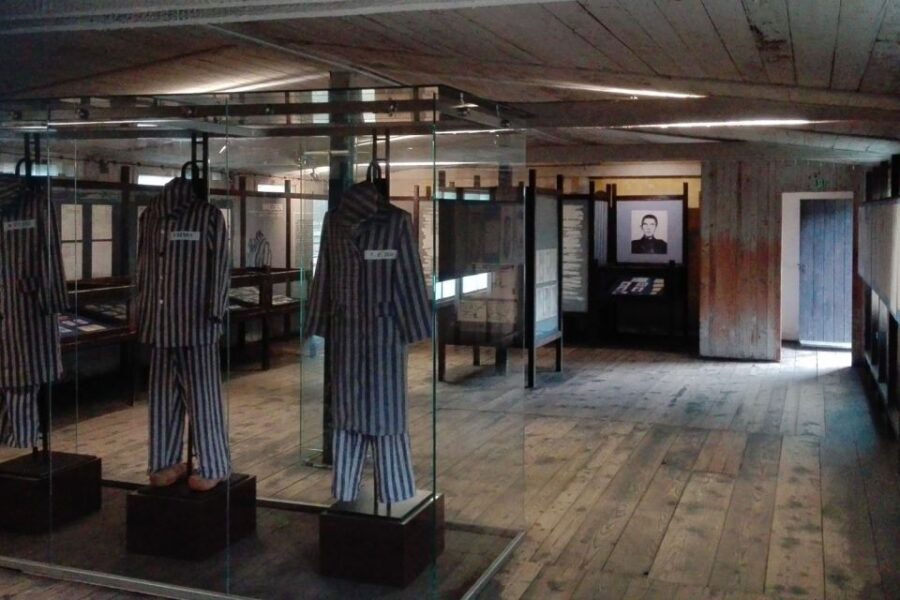
You’ll spend time on your feet, so wear comfortable shoes. The camp grounds and paths aren’t designed for flip-flops and sightseeing strolls.
Clothing also matters. This tour notes no smoking, no luggage or large bags, and no sleeveless shirts. So pack light and dress in a way that won’t make you self-conscious in a memorial setting.
Weather can be a factor. If it’s cloudy and chilly, bring an extra jacket because it might be windy. You can leave it in the vehicle if you don’t need it, which is a nice way to stay comfortable without carrying layers all day.
Finally, bring the right mental gear. The content covers gas chambers, crematorium, and mass murder. Even with a guided structure, this is heavy. You don’t need to “tough it out,” but you do need to enter with care.
Who This Tour Suits Best
This is a strong match if you:
- Want a private guided visit rather than doing the site solo
- Prefer a small group up to 8 for a quieter, more conversational experience
- Like structured history—seeing old and new quarters, then the most important sites tied to the camp’s function
- Are staying in Gdansk, Sopot, or Gdynia and want easy pickup/drop-off
It may be less ideal if you:
- Have a very limited attention span for somber historical sites
- Need a long, unhurried time at each spot (the 4-hour total can feel tight near the end)
- Are traveling with children under 13, since this tour isn’t recommended for that age group
Should You Book This Stutthof Small-Group Tour?
I’d book it if you want the most efficient way to get a guided, respectful Stutthof visit from Gdansk with real context. The combination of private licensed guiding, small-group size, and visits to the old and new camp quarters plus the gas chambers/crematorium is exactly what makes the tour worth your time.
Think twice only if you want a long, flexible memorial pace. This tour is structured, and the visit to the most intense areas has a tight schedule built around a 4-hour day.
If you’re ready for a serious, well-organized history visit with clear guidance, this is a solid choice.
FAQ
How long is the Stutthof private small-group tour from Gdansk?
The total experience lasts about 4 hours, with roughly a 2-hour guided tour inside Stutthof.
What’s included in the tour price?
It includes hotel pickup and drop-off in Gdansk (and pickup/drop-off service in Sopot and Gdynia), private air-conditioned transportation, a private guide at Stutthof, skip-the-ticket-line entry, and insurance.
Is food and drinks included?
No. Food and drinks are not included, so plan to eat before or after the tour.
What languages is the tour available in?
The live tour guide is available in English, German, and Russian.
What’s the group size limit?
The small group is limited to 8 participants.
What should I bring or wear?
Wear comfortable shoes and comfortable clothes. If it’s cold and windy, bring an extra jacket (you can leave it in the vehicle if you don’t need it).