REVIEW · GDANSK
Stutthof Concentration Camp:Guided Tour with Transportation
Book on GetYourGuide →Operated by Rosotravel Poland · Bookable on GetYourGuide
Stutthof is heavy, and that’s the point. This guided tour pairs camp access with real explanation, plus door-to-door transport from Gdansk, Sopot, or Gdynia. You’ll see key sites like the barracks and gas chambers, then you’ll get context through museum film and guided storytelling.
I especially like the built-in structure: you get a guaranteed 2-hour guided tour of Stutthof even if traffic gets messy. I also like that the trip isn’t just “drop in and out”—you also get museum cinema and options to extend your day with Westerplatte, the Museum of the Second World War, or Gdansk Old Town.
One thing to consider: this is not a casual outing. Stutthof is deeply disturbing, and the tour is not suitable for children under 13, so it’s best for adults (and older teens) who can handle the subject matter.
In This Review
- Key things to know before you go
- Why Stutthof works best as a guided day from Gdansk
- The timing: 5 hours that respect the subject, plus a 7-hour add-on
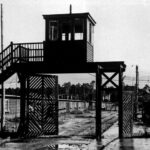
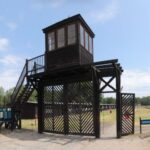
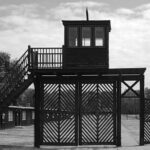
- Entering Stutthof: what you’ll see and why it matters
- The guide makes (or breaks) this kind of tour
- Transport, pickup, and the skip-the-line bonus
- Add-on choices in Gdansk: Westerplatte, WWII museum, or Old Town
- Westerplatte (7-hour option)
- Museum of the Second World War
- Gdansk Old Town walking option
- Price and value: what you’re paying for (and what you get)
- Who this suits best (and who should rethink the fit)
- Should you book this Stutthof tour with transportation?
- FAQ
- How long is the Stutthof guided tour?
- What’s included in the Stutthof portion?
- Do I get pickup and drop-off?
- Can I choose a language for the guide?
- Is there an option to extend the day in Gdansk?
- Do I skip the ticket line?
- Will I receive the documentary after the tour?
- Is the tour suitable for children?
- When should I check my email before the tour?
Key things to know before you go
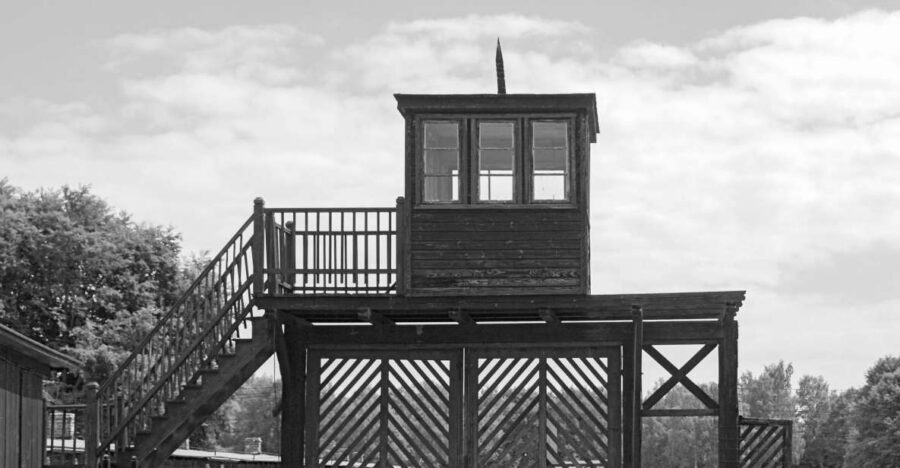
- Guaranteed guided time: a set 2-hour guided Stutthof window regardless of traffic jams
- You’ll see the core sites: barracks plus the gas chambers, with an expert guide
- Museum cinema included: you enter the Stutthof Museum Cinema during the visit
- Optional Gdansk extensions: add Westerplatte (7-hour option), WWII museum, or Old Town
- Door-to-door transport: pickup and drop-off from your accommodation or cruise port
Why Stutthof works best as a guided day from Gdansk
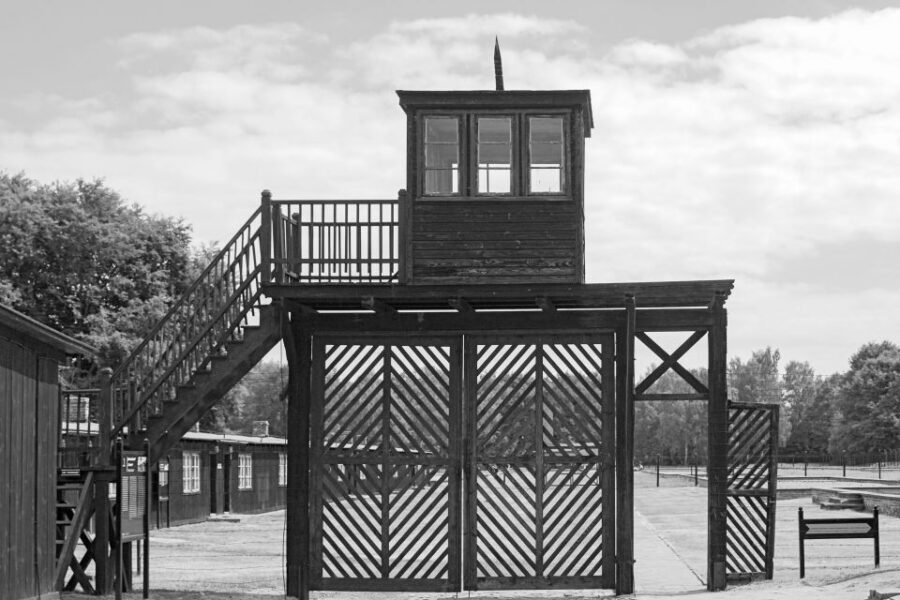
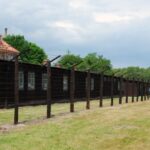
Stutthof is the first concentration camp the Nazis built in Poland, and it’s located in Pomerania Province, outside Gdansk proper. That distance is exactly why transportation matters here. With an air-conditioned car and pickup from Gdansk, Sopot, or Gdynia, you’re not spending your precious hours figuring out routes and schedules while you’re already mentally bracing for what you’ll see.
The other big “why” is interpretation. Stutthof is spread out, and the grounds can feel like an open-air maze if you’re left to read everything on your own. On this tour, you’re guided with a licensed guide and clear context—facts you can access on-site, not just from a quick read of a plaque. In one standout review, a guide grew up in the area and brought a serious, passionate focus to the story. That kind of local grounding can make the visit feel more direct, less like a generic history stop.
Finally, the ride itself sets the tone. You start with the expectation that this will be an organized, guided visit, not a self-guided “photo and go” experience. That matters because Stutthof isn’t about moving fast. It’s about understanding what happened and how it affected people who lived nearby.
Other Stutthof Concentration Camp tours we've reviewed

The timing: 5 hours that respect the subject, plus a 7-hour add-on
The tour runs 5–7 hours, depending on which option you choose, with start times you’ll need to check for availability.
In the standard Stutthof format, you’ll spend enough time to do more than just walk the main areas. The day is built around exploring the whole site, seeing moving exhibitions, and entering Stutthof Museum Cinema. Then you have time on the way back for a calmer moment: a relaxing walk toward the beach where you can see white sand and Baltic Sea views.
The “guaranteed” part is key: you get a guaranteed 2 hours of guided sightseeing in Stutthof regardless of traffic jams. That’s not a small detail. Traffic in the region can eat up plans, and if you were relying on a flexible schedule, your guided time could shrink. Here, your core time is protected.
If you want to stretch the day, choose the 7-hour option. That’s when you add Westerplatte, the well-known military base associated with the beginning of the Second World War. You’ll see a small military cemetery and the Monument to the defenders of the Polish Coast. It’s a different kind of WWII story—more about defense and symbols than the concentration camp’s machinery of persecution—so it can help balance the emotional weight of Stutthof.
Entering Stutthof: what you’ll see and why it matters
This is the heart of the experience, and the tour is designed around the major, defining parts of Stutthof.
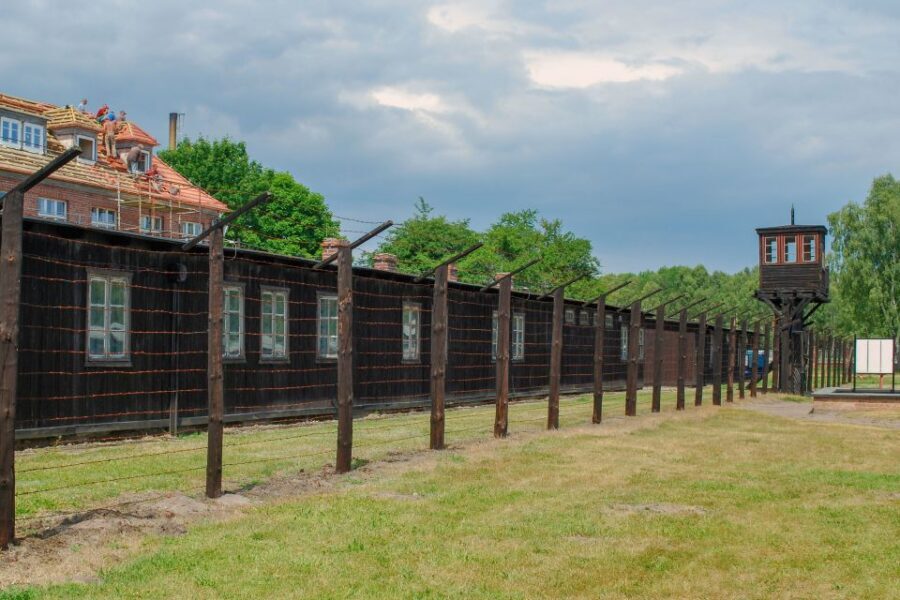
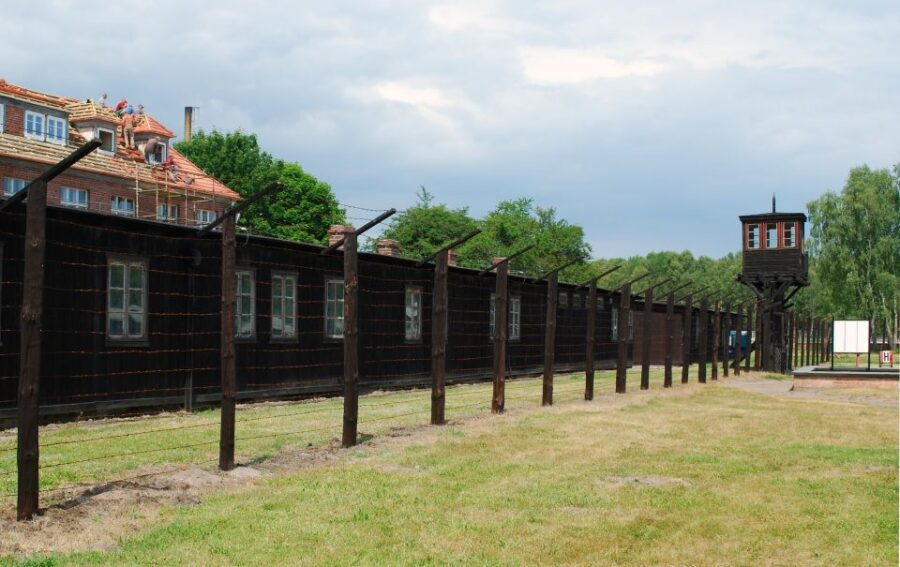
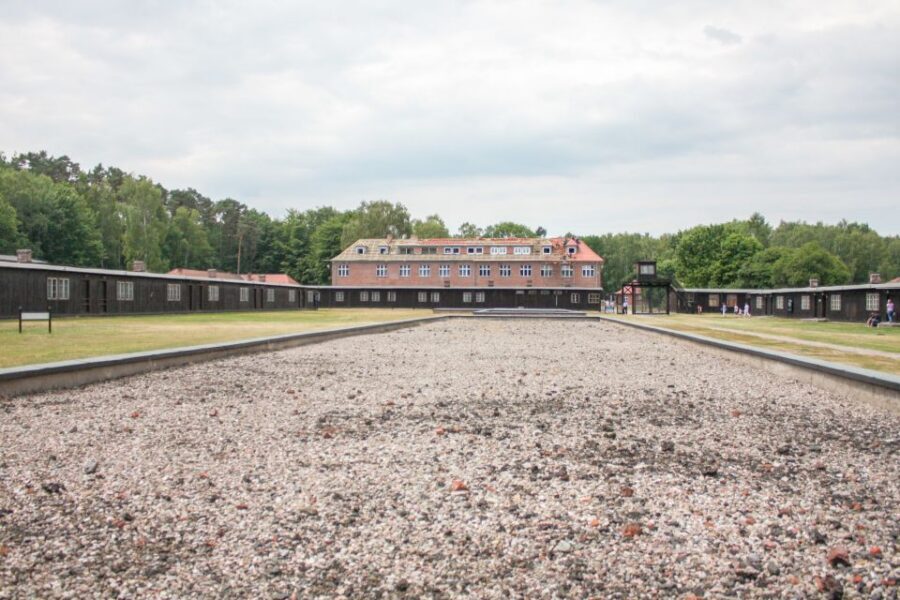
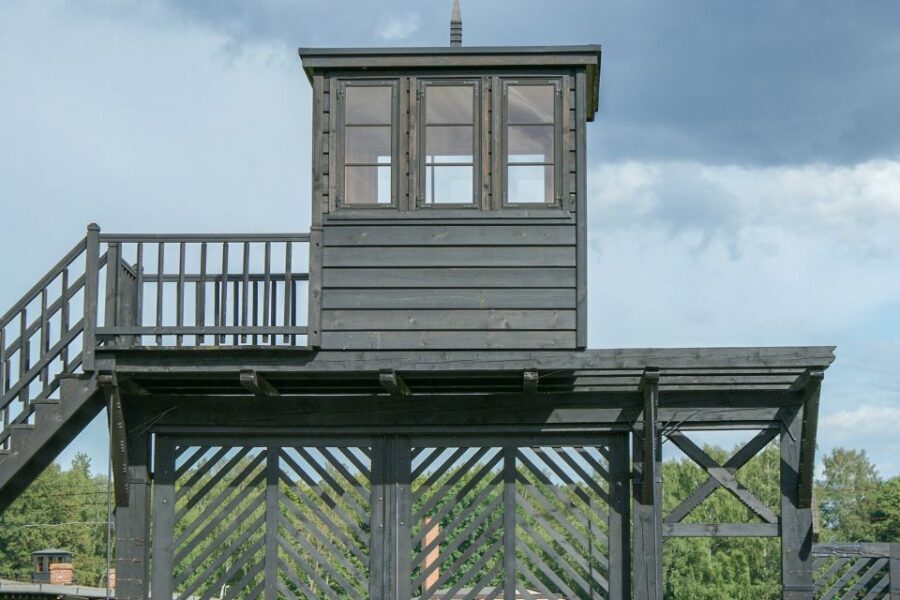
You’ll visit the first concentration camp built in Poland by the Nazis and spend time viewing authentic sites, including:
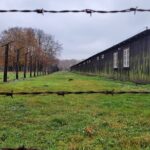
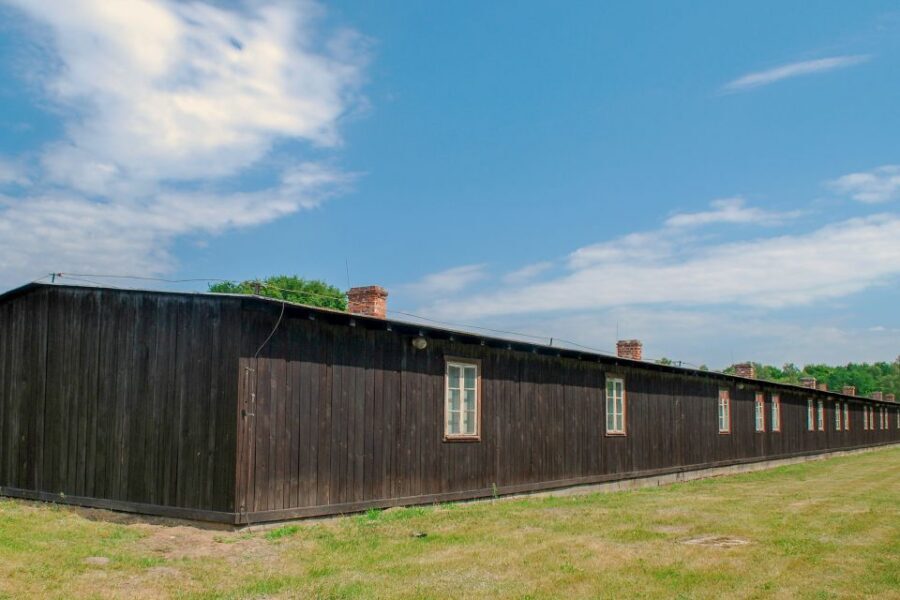
- Prisoner barracks
- The gas chambers
- Exhibitions across the area
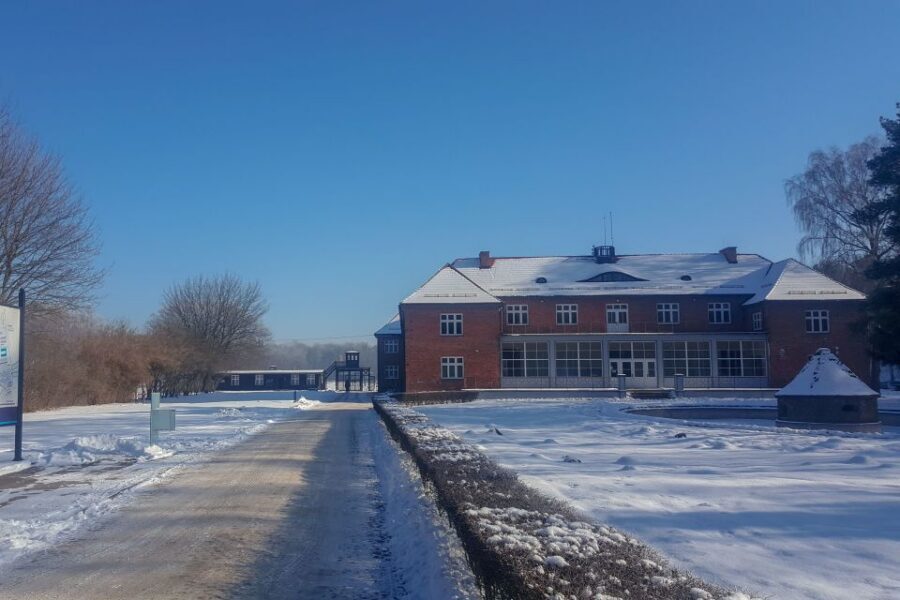
- Stutthof Museum Cinema
That list sounds straightforward. The impact is not. The point of seeing barracks and gas chambers is not just to check off “the important places.” It’s to connect the physical remains to what you’re being told: how the camp functioned during the Nazi occupation of Poland in WWII.
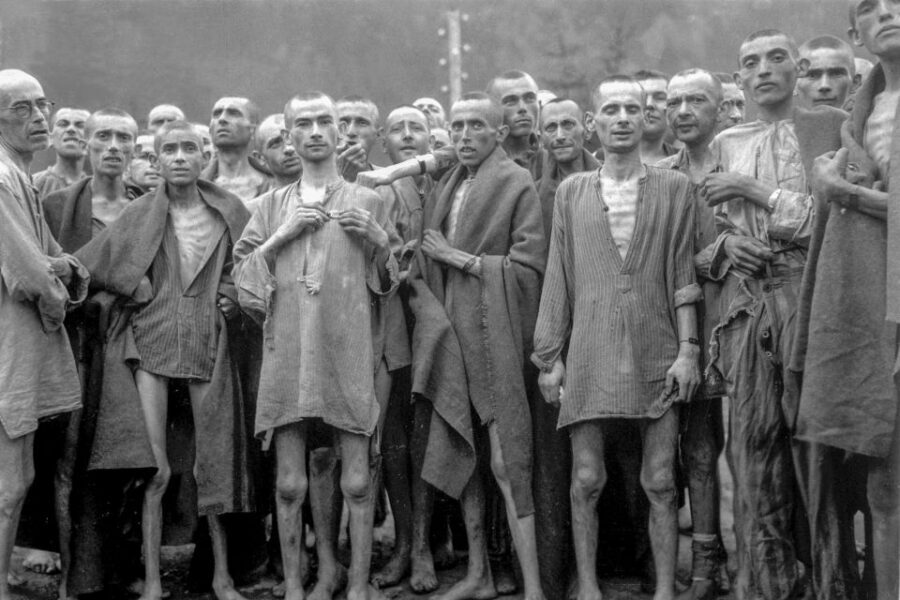
You’ll also hear the scale of what happened. During its five years, the camp held prisoners from 28 countries, and over 110,000 prisoners were tortured, forced to work, or died in the gas chambers. Those numbers give the visit its gravity and keep it from drifting into vague “tragedy tourism.”
The museum cinema adds an important layer. Instead of relying only on your eyes and the guide’s narration, you also get a documentary-style presentation featuring Stutthof survivors. If you request it, the full documentary movie is emailed to you after the tour. That’s valuable for two reasons: you can replay it later when your brain is less overloaded, and you can share it with people who couldn’t make the visit.
The guide makes (or breaks) this kind of tour
With Stutthof, the difference between a good tour and a great one is pacing and clarity. You need a guide who can connect details without turning the visit into a script.
The reviews show strong guide performance in a very practical way: guides who take the time to explain what you’re looking at and who can keep the story grounded. For example, one review praised Marek, highlighting how he guided through the museum with commentary and knew his material well. Another review mentioned Adam, calling out how the stories about the camp’s population made the history land in a human way. A third review praised Robert, noting that he went the extra mile to make the day cover more than expected, including a tour segment in Gdansk and a prompt return to the ship.
What you should take from that: the tour depends on the guide you’re assigned, and this is one of those experiences where a strong guide is worth paying for. The tour also runs in multiple languages, so if you choose English or one of the other options, you’re not stuck with a half-understood explanation.
Guides also matter for navigating the emotional load. Stutthof isn’t built for comfort. A good guide helps you slow down where you need to, and it prevents the visit from feeling like a blur.
Transport, pickup, and the skip-the-line bonus
This is one of the most practical “value” parts of the tour. You get pickup and drop-off at your accommodation or the cruise port in Gdansk, Gdynia, and Sopot. That means you can spend your morning getting ready for the visit, not planning transit.
You’ll travel in an air-conditioned car with an English driver. If you’re sensitive to comfort on longer days, that air-conditioned ride can feel like a small mercy when the schedule is tightly planned.
You’ll also skip the ticket line. For a camp visit, that’s not about convenience for its own sake—it helps you start the guided portion with less friction. Less waiting means less time sitting in uncertainty.
The tour also offers private group availability, which can be a big deal if you’re traveling as a couple or family group and want to keep questions and attention focused without worrying about your group size.
Other guided tours in Gdansk


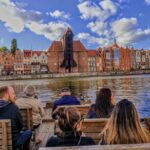


Add-on choices in Gdansk: Westerplatte, WWII museum, or Old Town
The tour gives you ways to extend your day depending on what you still want to learn or see.
Westerplatte (7-hour option)
Westerplatte is a military base tied to the start of WWII. You’ll see:
- a small military cemetery
- the Monument to the defenders of the Polish Coast
This add-on tends to work well if you want more of the WWII story in a geographic, symbolic way. After Stutthof, it gives you a different lens: defense, identity, and the early days of conflict.
Museum of the Second World War
If you pick the Museum of the Second World War, you’re choosing a structured, interpretive experience. It’s considered one of the best museums in Poland, and the tour includes tickets and guided sightseeing. The goal here is to build your own opinion using different points of view rather than getting one-note messaging.
That can be a smart choice if you’d rather keep learning in a museum setting than walk more streets after a long emotional visit.
Gdansk Old Town walking option
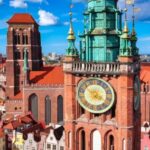
If you want something lighter in tone after the camp visit, the Old Town add-on makes sense. You’ll see major landmarks such as:
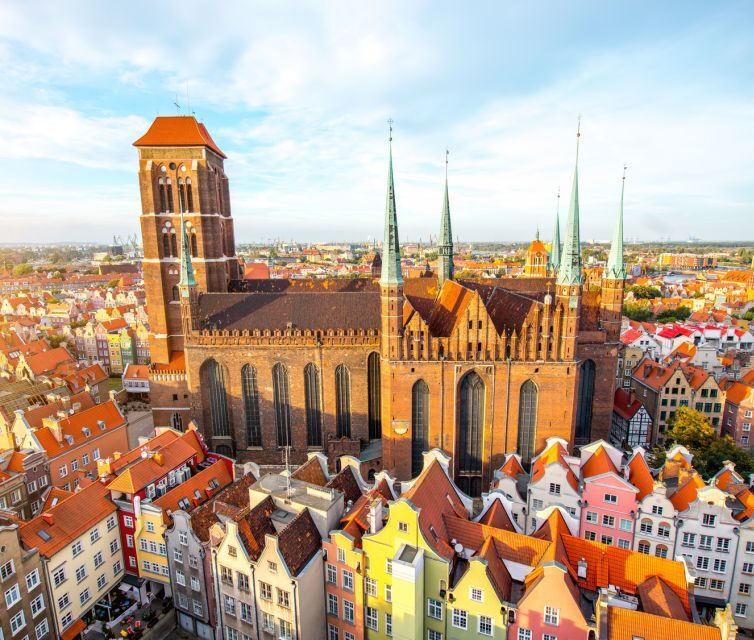
- St. Mary’s Church, the biggest brick church in the world
- Arthur’s Court
- Cranz
- Golden Gate
…and more highlights around the area.
This option works best if you’re prepared to mentally switch gears. Stutthof is intense; Old Town is a chance to reset with history, architecture, and street-level atmosphere—still meaningful, just less graphic.
Price and value: what you’re paying for (and what you get)
At $269 per person, this tour sits in the mid-to-higher range, so you should look at what’s bundled—not just the number.
Here’s the value math that matters for you:
- Door-to-door transport from Gdansk, Sopot, or Gdynia (and drop-off back to where you’re staying or docked)
- Expert-Guide leadership through the camp area
- Stutthof Museum entrance plus admission for the museum cinema
- A guaranteed 2-hour guided Stutthof window even if traffic slows the day
- Optional add-ons (Westerplatte, WWII museum, or Old Town) depending on the length and selection
- If you request it, you get the full documentary movie emailed after the tour
Compared with piecing together separate transport, ticket lines, and a guide, this package approach can save time and reduce stress. For an experience like Stutthof, stress is the enemy. You’ll have less logistics noise and more time for the guided story.
Also, the tour’s language options are a value point. With many languages available, you can choose a comfort level that helps you actually understand what you’re seeing.
Who this suits best (and who should rethink the fit)
This tour is a good fit if:
- you want guided explanation through the most important physical sites
- you appreciate a schedule that protects key guided time
- you want transport handled so you can focus on the visit itself
- you’re planning to spend time in Gdansk anyway and want an extension option
It may not be the best fit if:
- you’re traveling with children under 13 (it’s not suitable)
- you strongly dislike documentary film or structured museum programming
- you need a very short, low-emotion activity (this isn’t that kind of outing)
Emotionally, Stutthof doesn’t “wrap up nicely.” The beach walk on the return doesn’t erase what you learned; it just gives you a few minutes of breathing room with Baltic Sea views.
Should you book this Stutthof tour with transportation?
If you’re choosing between a self-guided plan and a guided day, I’d lean toward booking this. The big reasons are practical: pickup/drop-off, skip-the-line, and that protected 2-hour guided window inside Stutthof. Those details help you get the most out of your time and reduce the odds of a stressful, rushed visit.
Also consider booking if you want your day to connect WWII stories across the region. The tour’s extension options—Westerplatte, the Museum of the Second World War, or Old Town—let you shape the rest of the day instead of being stuck with only one type of sightseeing.
If you do book, give yourself permission to slow down mentally. This is not a checklist day. It’s a guided understanding day, with time built in to help it land.
FAQ
How long is the Stutthof guided tour?
The duration is listed as 5–7 hours. You’ll need to check availability to see starting times.
What’s included in the Stutthof portion?
The tour includes a guided Stutthof visit with entrance to the Stutthof Museum, admission to watch the movie in the Stutthof Museum Cinema, and a guaranteed 2-hour guided Stutthof tour in your chosen language.
Do I get pickup and drop-off?
Yes. Pickup and drop-off are included at your accommodation or the cruise port in Gdansk, Gdynia, and Sopot.
Can I choose a language for the guide?
Yes. Live guided tour languages listed include English, German, Polish, Norwegian, Swedish, Spanish, French, Italian, and Russian.
Is there an option to extend the day in Gdansk?
Yes. The 7-hour option can include Westerplatte sightseeing. Other extension options include the Museum of the Second World War or a walking tour of Gdansk Old Town.
Do I skip the ticket line?
Yes, the tour notes that you can skip the ticket line.
Will I receive the documentary after the tour?
On request, the full documentary movie about Stutthof survivors is emailed to you after the tour.
Is the tour suitable for children?
No. It is not suitable for children under 13.
When should I check my email before the tour?
You’re advised to check your email the day before the tour to receive important information.