Freedom has a street address in Gdańsk. This Solidarity Tour is built around the people and turning points behind the fight for free Poland, starting with the European Solidarity Center ticket included. I especially like how it also takes you into the less-touristy waterfront mood of the former shipyard area, so you get the setting—not just the headlines.
You’ll cover three major stops in about 3 hours, with a moderate pace and time outdoors, and the subject matter is serious. The one drawback to plan for is that you do need a moderate fitness level and you’ll be out in weather that can change fast.
In This Review
- Key things to know before you go
- Why the Solidarity story fits Gdańsk so well
- Price and value: what $114.45 buys you in real time
- Meeting at Plac Solidarności and planning your day in all weather
- Stop 1: Europejskie Centrum Solidarności museum, 2 hours that give you the map
- Stop 2: Sala BHP and the Gdańsk Agreement moment in 20 minutes
- Stop 3: Gdańsk Shipyard area—docks, old warehouses, and the Lenin Gates vibe
- How the guide level changes the whole experience
- Who should book this Solidarity Tour
- Should you book? My quick decision checklist
- FAQ
- FAQ
- How long is the Solidarity Tour in Gdańsk?
- Where does the tour start and end?
- Is admission included for the main sites?
- What’s included in the tour price?
- Does the tour run in all weather?
- Is it available in English and is it private?
Key things to know before you go
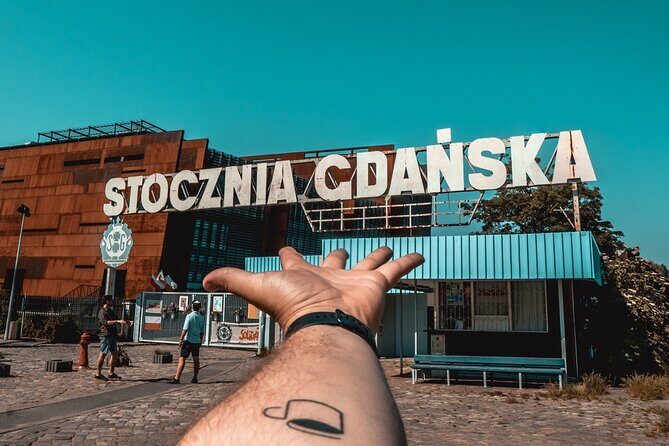
- European Solidarity Center admission included for a full 2-hour museum visit
- Sala BHP stop is short but powerful, with the Gdańsk Agreement connection
- Former shipyard area + working vibe: docks, old warehouses, and changing space
- Many top landmarks in one run, including the Lenin Gates area
- Local guide with English plus beverages included to keep you comfortable
Why the Solidarity story fits Gdańsk so well
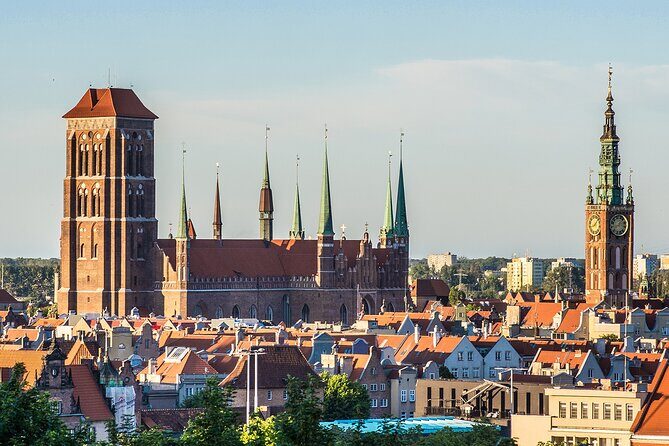
Gdańsk isn’t just a pretty port city. It’s one of the places where political change became real, loud, and organized—then spread. A tour like this works because it ties the movement to specific rooms, specific buildings, and specific locations where people worked, protested, negotiated, and held firm.
What I like about this format is that you don’t only learn the “what.” You also get the “where,” which matters for understanding how ordinary working life turned into a national and international force. You’ll start in the museum world, then move to a factory memorial moment, then finish in the shipyard spaces where history is still present—even as the area gets new uses.
And yes, this is an emotional topic. The good news is you’ll be walking through it with context, not just facts on a screen. That guidance is what helps the story land.
Other Solidarity and communism-era tours in Gdansk
Price and value: what $114.45 buys you in real time
At $114.45 per person for about 3 hours, this isn’t the cheapest thing in Gdańsk. But it’s also not a “pay for a walk” deal. You’re paying for a guided narrative plus included admissions at the most important sites.
Here’s where the value shows up:
- Museum entry is included at the Europejskie Centrum Solidarności stop (2 hours). That’s a major chunk of your time and learning.
- Two other stops have free entry, so you’re not stacking costs during the day.
- Beverages are included, which sounds small until you’re actually standing outdoors in the middle of your itinerary.
- It’s English-speaking, and it’s run as a private tour/activity for your group, which usually means fewer compromises.
Also worth noting: it’s commonly booked about 79 days in advance. That’s a clue the timing is popular, so if your visit dates are fixed, booking early helps.
Meeting at Plac Solidarności and planning your day in all weather
The tour meets at Europejskie Centrum Solidarności, Plac Solidarności 1. That’s convenient because it drops you at the anchor site right away, so you’re not spending extra time figuring out logistics.
Practical expectations:
- You’ll start and end back at the same meeting point.
- You’ll get a mobile ticket (so you’ll want your phone charged).
- The tour runs in all weather conditions, so dress for rain, wind, or chilly surprises.
- A moderate physical fitness level is recommended. This isn’t a marathon, but it’s still a structured walking-and-stand portion day.
One more small but helpful point: the tour includes beverages, while alcoholic drinks are not included (you can buy them). If you plan to stay in the area after, consider grabbing food and drinks nearby, rather than assuming the tour covers everything.
Stop 1: Europejskie Centrum Solidarności museum, 2 hours that give you the map
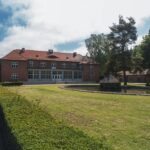
This is the core starting point: Europejskie Centrum Solidarności is where you build understanding. The tour spends about 2 hours here, with the admission ticket included.
What you should expect at this first stop is a guided explanation of the struggle for free Poland and how people in Poland managed under communism. Instead of treating Solidarity as a single event, the museum helps you see it as a longer human process: pressure, organizing, negotiation, and the social impact on daily life.
Why this stop is so valuable is simple: if you skip it, the later locations can feel like random famous names. With this museum start, the rest of the day becomes clearer. You’ll also be better able to connect the local story of Gdańsk to broader events across Poland and beyond.
A practical tip: museum time can pass faster than you expect when you’re listening and reading. Wear comfortable shoes and be ready to pause and absorb. This part is meant to do the heavy lifting.
Stop 2: Sala BHP and the Gdańsk Agreement moment in 20 minutes
After the museum context, the tour moves to Sala BHP, a shorter stop at about 20 minutes. Admission is free here, and the significance is enormous.
This is tied to a key historical moment: Lech Wałęsa signed the Gdańsk Agreement here with the contemporary authorities of the People’s Republic of Poland. Even with the short time slot, the point is to connect what you just learned to a specific place and action.
The tradeoff with a stop this short is obvious: you won’t have time to linger for long-form reading on your own. But as a “turning point” stop, it works well. It gives your brain a jolt—like switching from the backstory to the scene where things changed.
If you’re the type who likes to ask questions, this is also a good place to focus your curiosity. The agreement moment is the kind of topic where good guidance can fix confusion fast.




Stop 3: Gdańsk Shipyard area—docks, old warehouses, and the Lenin Gates vibe
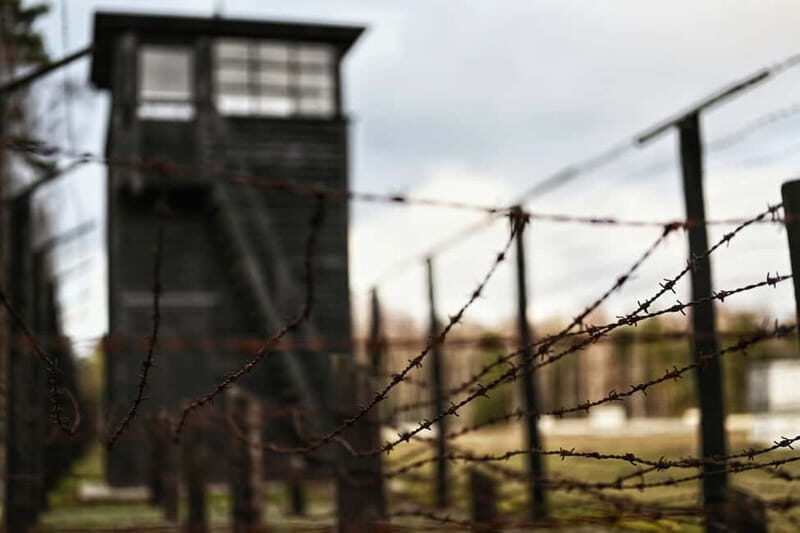
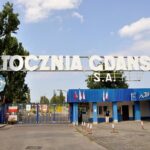
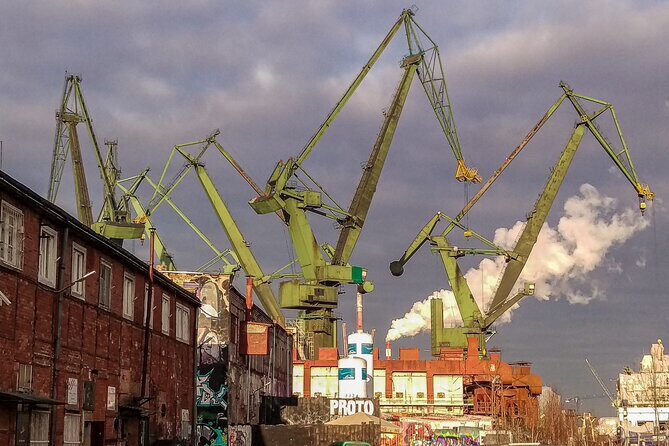
The final stop takes you into the former shipyard zone for about 40 minutes. Admission is free, and it’s where the tour becomes more atmospheric.
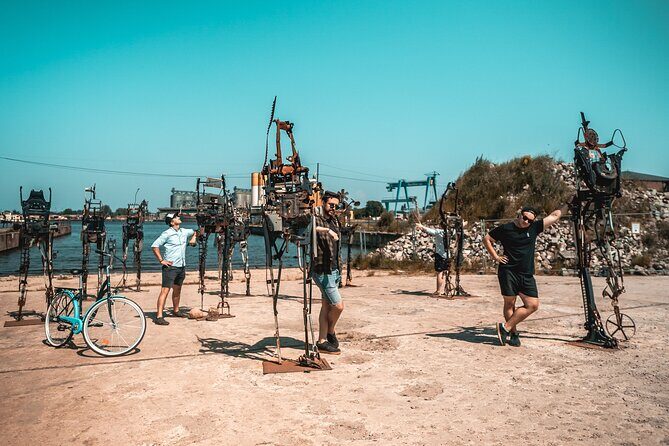
You’ll pass through the shipyard area to feel the real setting. Even though parts of the shipyard still function today, the area is changing. You can see how older industrial spaces are being repurposed into places for modern life—often including things like clubs, galleries, and entertainment centers.
This stop also links directly to the “less touristy” feel. The shipyard and docks are where you can better understand the relationship between work and organization. It’s one thing to read about shipyard workers and political pressure; it’s another to walk near the spaces where work happened and where gatherings made sense.
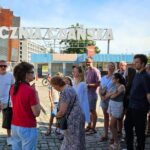
The tour also aims to include big landmarks within the shipyard complex, including the Lenin Gates area. That’s the kind of landmark that helps you anchor the story visually, so your photos actually mean something later.
Potential drawback: because the focus here is atmosphere and movement, you won’t treat it like a full guided museum stop. If you want lots of indoor time, this is the section you should approach with the mindset of walking, seeing, and absorbing.
How the guide level changes the whole experience
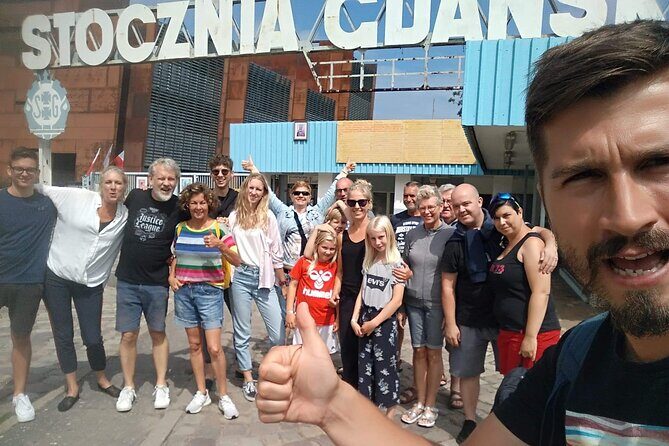
For a story as emotional and complex as Solidarity, the guide matters. The best versions of this tour are driven by an energetic, story-forward approach—someone who can keep the timeline straight and explain people as real humans, not just names in a textbook.
Names that come up for this tour include Bozena and Sebastian. Both are associated with giving a lot of detail, staying engaging, and making it feel personal. In particular, I love the idea of a guide who lets you ask questions along the way, because Solidarity history has lots of moving parts, and clarification helps you enjoy the day more, not less.
Another plus from past experiences: when schedules or routes need small changes, strong guides tend to keep the story intact. The goal is still the same—help you understand the movement in Gdańsk and why it mattered.
So, when you book, do yourself a favor: come with one or two questions you genuinely care about. For example, you might want help connecting Wałęsa’s role to the broader negotiation story, or how the shipyard culture fed into organizing.
Who should book this Solidarity Tour
This is a great choice if you:
- want a guided, English-speaking way to understand Solidarity without turning it into a lecture
- like history tied to real places, not just plaques
- enjoy walking through parts of Gdańsk that feel more working-port than postcard
It may be less ideal if you:
- have trouble with moderate walking and standing, especially in wind or cold
- dislike serious, politically heavy topics
- only want casual sightseeing and photos with minimal explanation
The sweet spot is someone who likes learning on the move and wants the big landmarks—like Sala BHP and the shipyard area—to come with context.
Should you book? My quick decision checklist
Book this tour if you want a structured way to understand Solidarity with the most important admission site handled for you. The mix of the European Solidarity Center (2 hours) plus the Sala BHP agreement moment and the shipyard atmosphere gives you a full arc in a short day.
Consider a different option if you’re hoping for a mostly light, relaxed walking tour. This is history with weight. But if you’re okay with that, it’s also one of the most meaningful ways to understand why Gdańsk sits at the crossroads of European political change.
Finally, if you’re traveling with a group and you like the idea of a private tour experience (just your group), this one fits the bill nicely—especially because the admissions and beverages help keep the day simple.
FAQ
FAQ
How long is the Solidarity Tour in Gdańsk?
It lasts about 3 hours.
Where does the tour start and end?
It starts at Europejskie Centrum Solidarności, Plac Solidarności 1, 80-863 Gdańsk, Poland and ends back at the same meeting point.
Is admission included for the main sites?
Yes. Admission is included for Europejskie Centrum Solidarności, and Sala BHP and the Gdansk Shipyard stops have admission listed as free.
What’s included in the tour price?
The tour includes local guide services and beverages. Alcoholic drinks are not included (you can purchase them).
Does the tour run in all weather?
Yes, it operates in all weather conditions, so you should dress appropriately.
Is it available in English and is it private?
It’s offered in English, and it’s a private tour/activity for only your group.