REVIEW · GDANSK
Gdańsk: City Tour by Electric Golf Cart
Book on GetYourGuide →Operated by City Tour Sightseeing Gdansk · Bookable on GetYourGuide
A short ride, a big story in Gdańsk. This electric golf cart tour strings together Old Town highlights and modern history, with stops tied to shipyards and the Solidarity era. You move at an easy pace, and your guide fills the gaps with clear explanations and human stories.
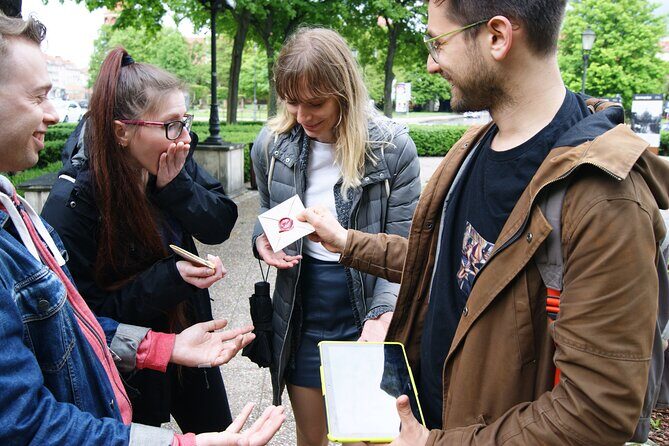
I especially like how relaxed it feels. You sit while a local guide points out what matters, including the symbols tied to the fall of communism. And I like the way guides bring it to life with humor: people mention guides such as Damian and Tomasz/Tomaz for being both informative and genuinely fun.
One thing to consider: it is a highlight-focused loop, so you will not get deep, long stops at every building. Also, in colder or rainy weather, rain flaps can make photos a bit tricky.
In This Review
- Key highlights to know before you go
- Electric Golf Cart Comfort: Why This Pace Works in Gdańsk
- Golden Gate Meeting Point: The Easiest Way to Start Smart
- Highland Gate, Golden Gate, Great Armory: City Defenses and Trade Clout
- Prison Tower and Torture Chamber: Where the Story Gets Real
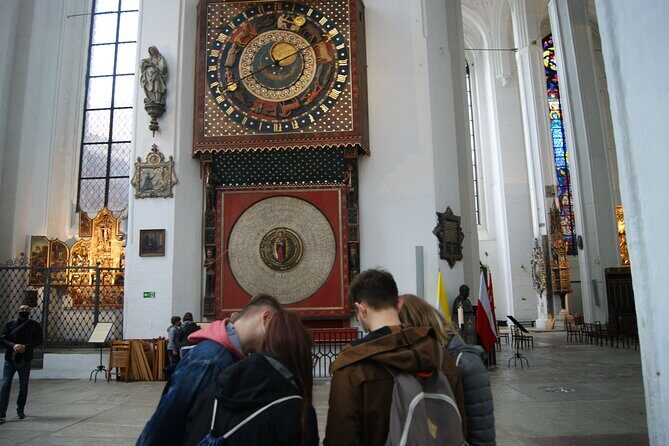
- St. Mary’s Church and Court of St. George’s Brotherhood: Faith Meets Civic Pride
- Granary Island and the Crane: The Port Story You Can See
- St. John’s Church, Polish Post Office, and Solidarity Square: Symbols of the End of Communism
- Timing, Group Size, and What You Really Get in One Hour
- Price and Value: Is $19 Worth It?
- Who This Gdańsk Cart Tour Fits Best
- Should You Book This Gdańsk Electric Golf Cart Tour?
- FAQ
- How long is the Gdańsk city tour by electric golf cart?
- Where do we meet the guide?
- What sights are included on this tour?
- Is the tour private, and is it wheelchair accessible?
- What languages is the live guide available in?
- Does the tour run in rain?
- Can I cancel or pay later?
Key highlights to know before you go
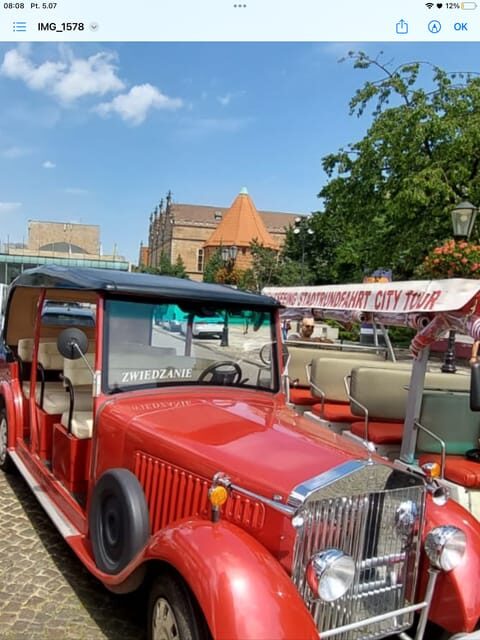
- Electric golf cart comfort makes walking optional in busy Old Town streets
- Golden Gate start helps you orient right away in the historic center
- Gates, churches, and armory show how Gdańsk grew and defended itself
- Prison Tower and Torture Chamber adds an honest, heavy chapter to the story
- Granary Island and the Crane help you understand the port and shipyard world
- Solidarity Square and the Polish Post Office connect the city to the end of communism
Electric Golf Cart Comfort: Why This Pace Works in Gdańsk
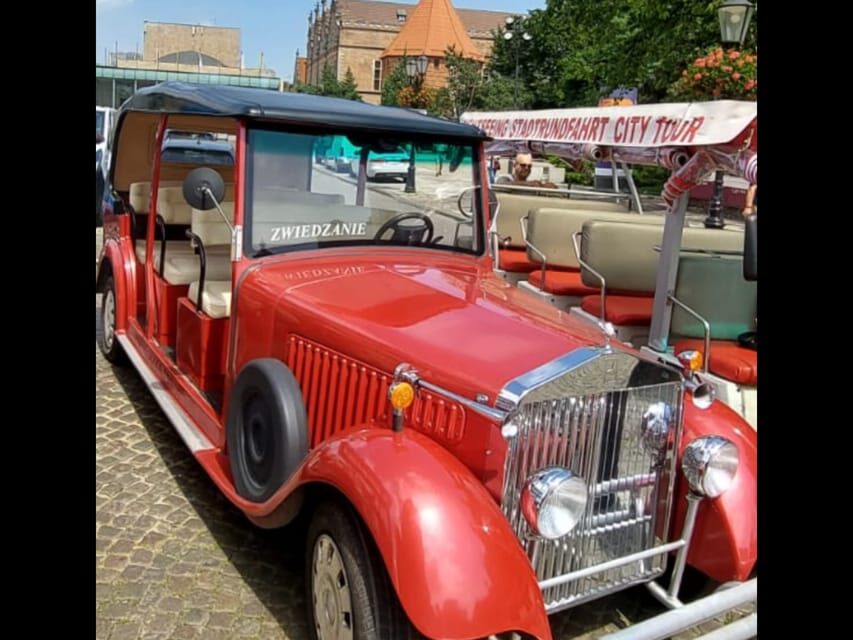
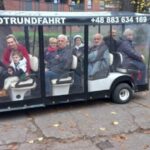
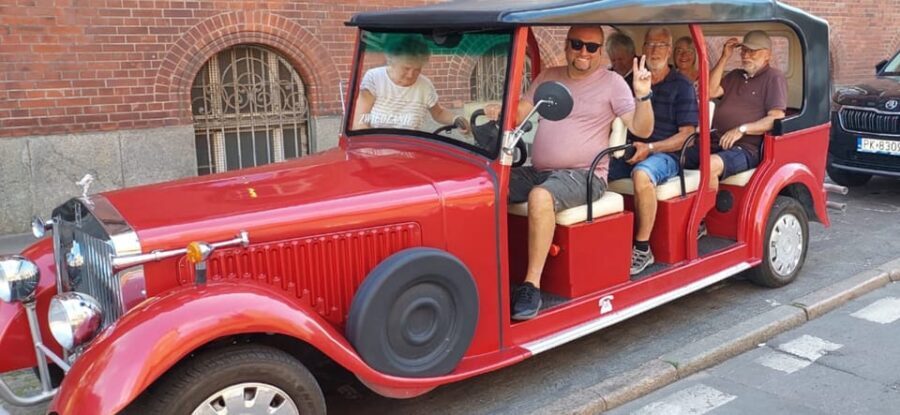
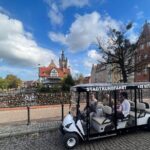
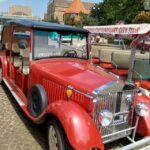
Gdańsk’s Old Town is packed with great sights, and it can also mean lots of uneven paving and quick turns. The electric golf cart solves the biggest problem fast: you keep your legs fresh. In practice, it feels like sightseeing with training wheels, especially if you want history without doing the heavy walking day plan.
The cart setup also matters when the weather is doing its thing. The tour runs rain or shine, and rain blinds are available on rainy days. In cold weather, people have also noted the transport feels warm and comfortable. That is a big deal in northern Poland, where “just a drizzle” can turn into “why am I shivering.”
And because this is a private group experience, you are not stuck with a slow shuffle in the middle of a narration. Your guide can keep the flow of the story tight, while you stay in your seat and enjoy the ride through centuries.
Other golf cart and buggy tours in Gdansk


Golden Gate Meeting Point: The Easiest Way to Start Smart
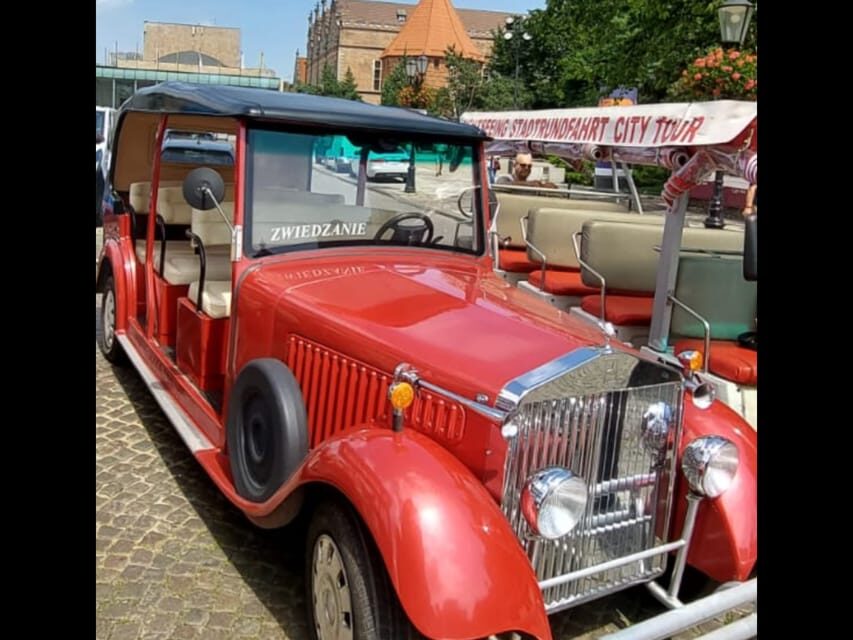
The meeting point is right by the Golden Gate, on the side street Targ Węglowy. That is a convenient anchor point because you are stepping into the center of the historic story immediately. You do not waste time hunting for where to begin, and you get visual context before you even roll.
Starting here also sets the right tone: gates and entry points matter in Gdańsk’s past. They are not just pretty walls. They show how the city controlled movement, trade, and defense. Once your guide points that out, the rest of the tour clicks into place.
You will likely find the first minutes are about orientation—where you are, what you are looking at, and why each stop sits where it does. That is how you turn a quick loop into something you remember.
Highland Gate, Golden Gate, Great Armory: City Defenses and Trade Clout
As you move through the Old Town core, you get the best kind of history lesson: one that you can see. The tour visits Highland Gate and the Golden Gate, which are the kind of landmarks that make you understand why cities built like fortresses. Your guide connects the architecture to practical realities, like controlling access and protecting a trading hub.
Then comes Great Armory, which helps shift your thinking from medieval street scenes to organized power. Armories are where a city kept its tools and readiness. When your guide ties this to broader events, you start to recognize patterns: Gdańsk mattered because it was strategic, and it stayed strategic.
One of the underrated advantages of this cart format is that it helps you keep your bearings. You are not bouncing from one far corner to the next on foot. Instead, you glide between sights, and the guide’s explanation gives you a mental map while you are still in motion.
Prison Tower and Torture Chamber: Where the Story Gets Real
Not every history tour wants to talk about pain. This one does, and it does it thoughtfully. The stop at the Prison Tower and Torture Chamber adds a darker layer to what you are seeing. It is a reminder that control and conflict were not theoretical.
If you like your history direct, this segment is a strong point. It turns symbolism and architecture into real consequences—who was held, why it happened, and how punishment was part of the system. You do not just get dates. You get context that makes the building’s purpose make sense.
A practical note: this is a serious stop, so if you are traveling with kids, you may want to gauge the group’s comfort level with grim topics. The cart itself helps keep the mood from becoming exhausting, but the content is not sugar-coated.
St. Mary’s Church and Court of St. George’s Brotherhood: Faith Meets Civic Pride
Gdańsk’s identity is not only walls and industry. You also see its civic and religious life. St. Mary’s Church is one of the big anchors here, and your guide connects the church to the city’s self-image—how belief and community shaped daily life.
Then you get Court of St. George’s Brotherhood, which brings a different angle. Brotherhoods and courts are about structure: who had roles, how communities organized themselves, and how public life worked. It is the kind of stop that can feel abstract if you are just looking at stone. With a guide explaining it, it becomes a window into social order.
This part of the tour is where the tone often becomes more human. You stop thinking only about what was built for defense and start seeing what was built for society—places where people gathered, worshiped, and organized.
Other city tours we've reviewed in Gdansk


Granary Island and the Crane: The Port Story You Can See
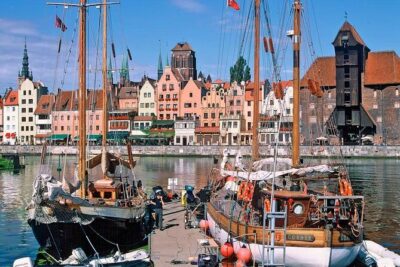
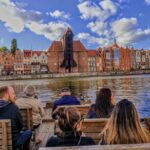
The tour moves toward the river/port area with stops including Granary Island and the Crane. This is where shipyard history stops being a vague phrase and starts looking real. Gdańsk was a city shaped by the Baltic, by shipping, and by work tied to industry.
Granary buildings tell you about storage and supply. They connect to trade volumes and the city’s need to feed commerce. The Crane then gives you a literal mechanism for how goods moved—how heavy work got done, and why infrastructure mattered.
Your guide also connects these sights to the bigger themes: shipyards and the rise of Solidarity. Even without going deep into long lectures, those connections make the city feel like one connected story, not random buildings in a photo set.
If you like a tour that makes geography do some work for you, this is one of the best stretches.
St. John’s Church, Polish Post Office, and Solidarity Square: Symbols of the End of Communism
This is the heart of why the tour feels different. You do not only see old buildings; you learn the symbols tied to the fall of communism and the Solidarity movement. The route includes St. John’s Church, then shifts toward more modern political landmarks.
The Polish Post Office is a key stop. Your guide uses it to explain why communication, public spaces, and public pressure mattered during turning points in Polish history. Then you reach Solidarity Square, which acts like a meeting place for memory. The guide ties the themes together: shipyard life, public organization, and the pressure that helped change the political future.
A final stop at a museum (the tour includes a museum visit) rounds it out. Even if you do not want to spend hours inside, getting the museum stop as part of the loop helps you connect the dots. The city’s story becomes something you can keep exploring after the ride.
One more thing: people consistently highlight the guides’ ability to answer questions and keep things fun. That matters here, because this history can feel heavy. Humor does not erase tragedy. It helps you stay mentally present.
Timing, Group Size, and What You Really Get in One Hour
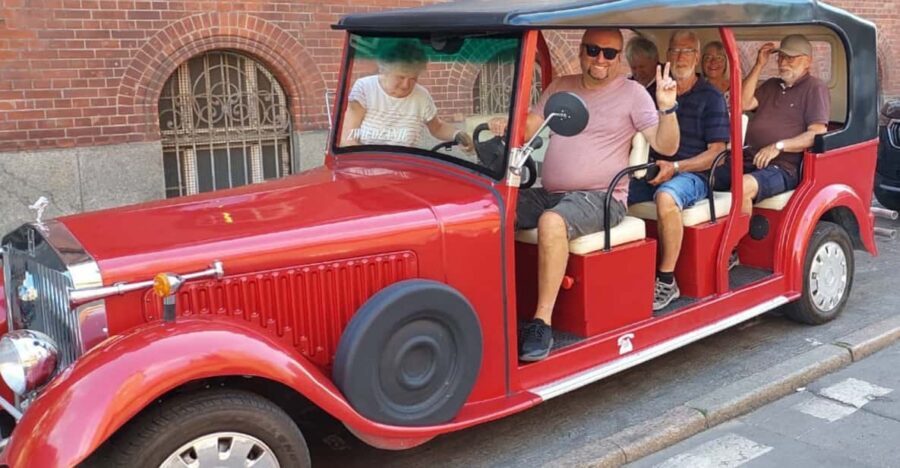
The tour is 1 hour long, with about 30 minutes of guided highlights. That format is ideal for a planning day where you want a strong overview without sacrificing the rest of your time.
Because this is a private group, you can ask questions without feeling like you are holding everyone up. Your guide can also adjust the pace depending on interest. That is why many people describe the experience as both relaxing and informative.
So what do you get by the end? You come away with:
- a mental map of key Old Town landmarks
- a clear timeline of how the city’s story shifts from historic defense/trade to modern political change
- a sense of where to return later if you want to explore more on foot
For visitors who like structured sightseeing but hate rushing, this one-hour window is a very smart trade.
Price and Value: Is $19 Worth It?
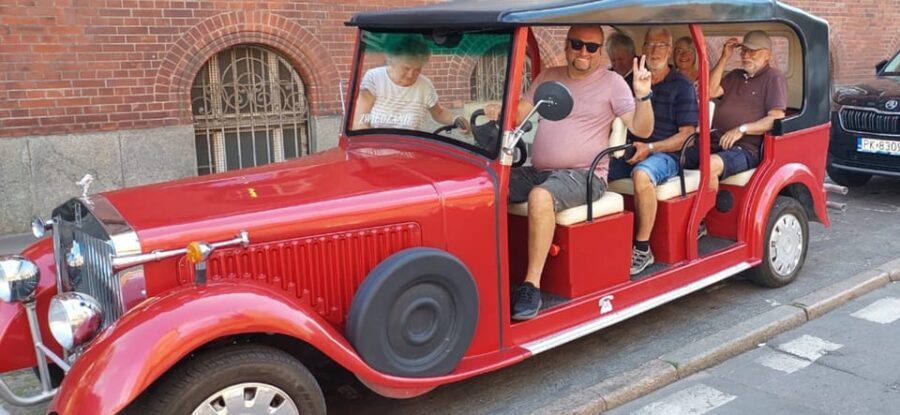
At $19 per person, the value is best understood as convenience plus context. You are paying for three things at once: a local guide, a private cart ride, and a tight route that hits major sights in a short time window.
If you tried to do this independently, you would spend time figuring out the route and then reading up on your phone while walking between stops. This tour saves that friction and swaps it for guided storytelling. You also avoid the fatigue that can turn a “quick walk” into a dragging afternoon.
From the feedback you’ll see reflected in people’s comments, the guides are a major part of the value. Damian and Tomasz/Tomaz are both mentioned as being fun, quick with answers, and good at explaining history in a way that stays clear. When a guide can do that, the price feels more like a buy-in to understanding than a simple transport fee.
Who This Gdańsk Cart Tour Fits Best
I think this tour is a great match if you:
- want Old Town highlights without doing a full walking marathon
- prefer a guide to connect the dots between architecture and political history
- are traveling with mixed ages or mixed stamina
- want a fun, moving overview that helps you choose what to explore later
It is also a solid option if you are short on time. You get the major sights and the story behind them—especially the Solidarity-era symbols—without turning your day into a checklist grind.
If you are the type who loves long photo stops and museum-level detail at every stop, you might want to pair this with extra time afterward. Think of this as a fast, smart introduction that points you in the right directions.
Should You Book This Gdańsk Electric Golf Cart Tour?
Yes, if your goal is a high-impact overview with comfortable pacing and strong guide storytelling. The mix of Old Town landmarks plus the symbols tied to Solidarity and the fall of communism is the reason it feels memorable. And the way guides like Damian and Tomasz/Tomaz are described—fun, helpful, and willing to answer questions—makes the ride more than just transportation.
I would skip it only if you want very long stops at a few sites or you dislike guided tours in general. Otherwise, this is one of those practical choices that helps you enjoy Gdańsk fast, without feeling like you sprinted through it.
FAQ
How long is the Gdańsk city tour by electric golf cart?
The tour lasts 1 hour total, and you can expect around 30 minutes of guided commentary on the main sights.
Where do we meet the guide?
Meet your guide in front of the Golden Gate, on the side street Targ Węglowy.
What sights are included on this tour?
You’ll visit highlights including Highland Gate, Prison Tower and Torture Chamber, Golden Gate, Great Armory, St. Mary’s Church, Court of St. George’s Brotherhood, Granary Island, the Crane, St. John’s Church, the Polish Post Office, Solidarity Square, and a museum stop.
Is the tour private, and is it wheelchair accessible?
Yes, it is a private group tour, and it is listed as wheelchair accessible.
What languages is the live guide available in?
The guide is available in English, German, Russian, Polish, Italian, Turkish, and Spanish.
Does the tour run in rain?
The tour takes place rain or shine. Rain blinds are available on rainy days.
Can I cancel or pay later?
Free cancellation is available up to 24 hours in advance for a full refund. You can also reserve now and pay later.