REVIEW · GDANSK
Stutthof Concentration Camp Half-Day Private Tour
Book on GetYourGuide →Operated by Tours in Gdansk - Local Tour Operator · Bookable on GetYourGuide
Stutthof leaves a mark fast. This half-day private tour from Gdańsk pairs a guided museum visit with a walk through both old and new camp quarters, plus stops like the commander’s villa and the gas chamber. You also get the setting, context, and occupation history of Pomerania explained in a way that helps the site make sense.
I like the structure of the experience: you’re not just looking at buildings, you’re guided through the logic of how the camp operated and what happened there—down to the crematorium and the victims’ monument. The main drawback is that Stutthof is graphic and emotionally intense, so this is not a good fit for kids under 13.
In This Review
- Key things that make this private Stutthof tour worth it
- Stutthof in context: what this camp was and why it mattered for Pomerania
- Getting from Gdańsk to the museum: a calm start before the hard part
- The two-hour museum tour: old and new camp quarters in one coherent route
- Commander’s villa: power, distance, and how the system stayed in charge
- Gas chambers, crematorium, and the victims’ monument: how the tour handles the worst material
- The persecution story of Pomerania: making sense of what you’re seeing
- Private guide experience: why a small group changes everything
- The optional documentary film screening: when you want extra background
- Timing, pacing, and the built-in break at Morska 32
- Price and value: what $461 per group up to 3 really buys you
- Who should book this private Stutthof tour
- Should you book it?
- FAQ
- Where does pickup happen?
- How long is the Stutthof private tour?
- What’s included in the tour price?
- Which parts of Stutthof will we visit?
- Are documentary screenings included?
- What languages are available for the live guide?
- Is it suitable for children?
- What’s the cancellation policy?
Key things that make this private Stutthof tour worth it
- Private pickup from Gdańsk, Sopot, or Gdynia means you start the day without stress
- Two-hour guided museum visit with entrance tickets included keeps things focused
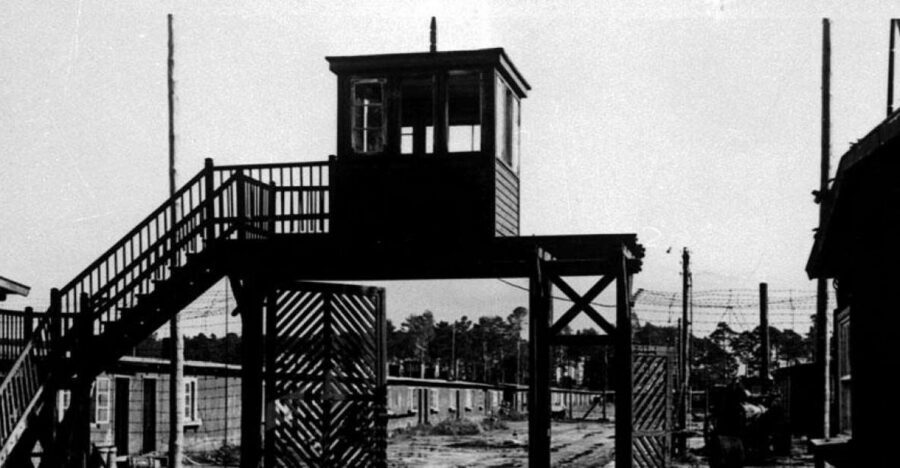
- Old and new camp quarters, plus the commander’s villa, gas chambers, and crematorium
- A dedicated moment at the victims’ monument for reflection and respect
- Optional documentary film screening if you want extra historical context
- Small-group feel with a guide who can take questions in an intimate setting
Stutthof in context: what this camp was and why it mattered for Pomerania
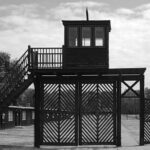
Stutthof matters because it was the first Nazi concentration camp established on Polish territory—and it kept operating longer than any other. It opened in 1939, originally planned to hold around 3,000 prisoners. In the beginning, the targeting was specific: the Jewish population and the Polish intelligentsia from the Pomeranian region, including people connected to the Free City of Gdańsk.
As the war expanded, the camp’s purpose turned into large-scale machinery of persecution and death. Over time, more than 110,000 people from 26 countries were imprisoned there. Forced labor, starvation, torture, and mass executions were part of daily reality for those trapped inside.
If you want your visit to feel more than a checklist, this tour gives you the key frame: you learn how the persecution and occupation of Pomerania connects directly to what you’re seeing on site. That connection is where the visit becomes meaningful—because the buildings are not the story on their own.
Other Stutthof Concentration Camp tours we've reviewed

Getting from Gdańsk to the museum: a calm start before the hard part
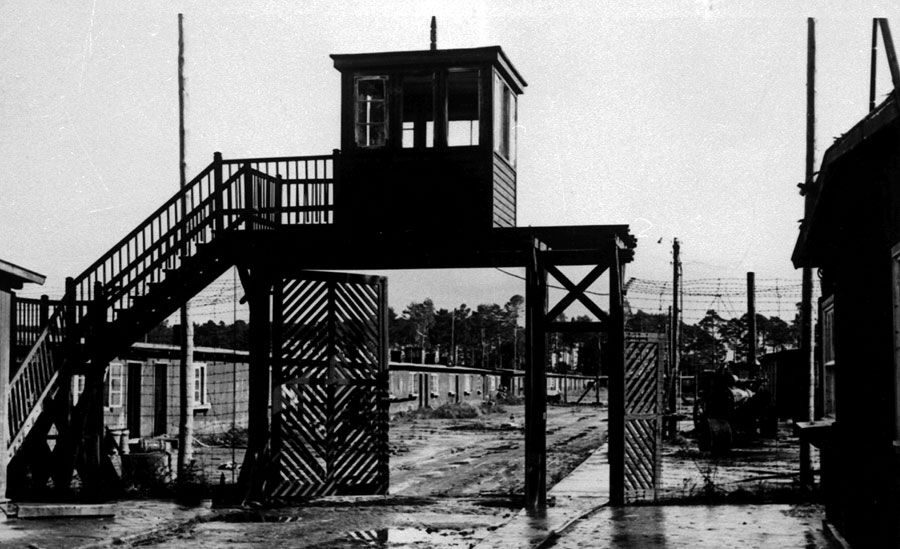
You’ll start with pickup from hotels or apartments in Gdańsk, Sopot, or Gdynia. Then you ride in a private van toward Stutthof. This matters more than people expect. A private transfer helps you avoid wasting energy on logistics, so you arrive ready to pay attention.
The tour length is about five hours total, and that time includes the ride, a guided museum portion, and a scheduled break. That pacing is useful at a site like this. It keeps the day from dragging while you’re mentally absorbing heavy content.
The two-hour museum tour: old and new camp quarters in one coherent route
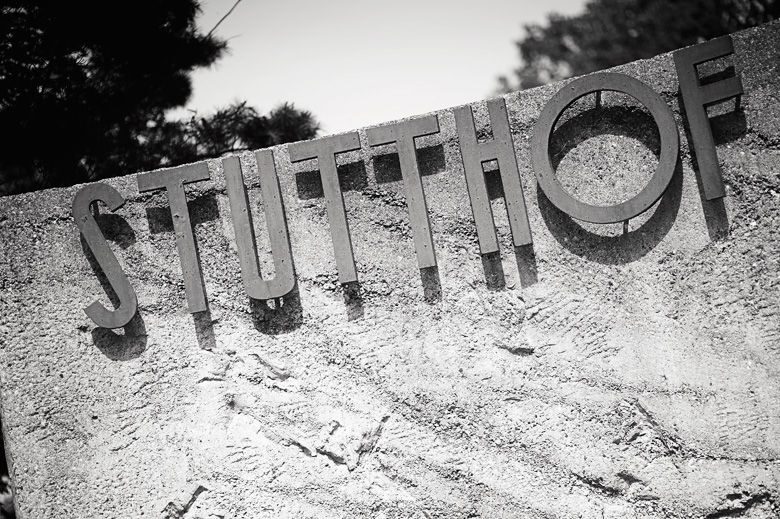
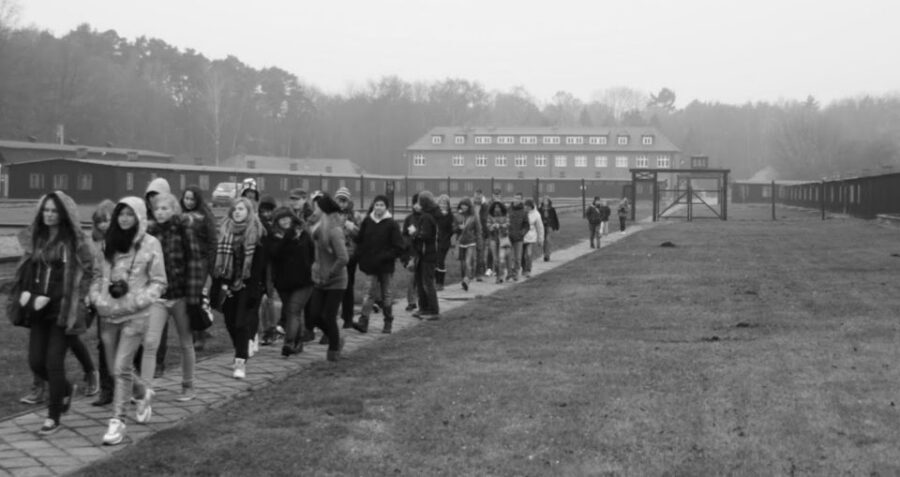
Most visits fail when people wander without a plan. Here, the guided museum component lasts about two hours, and you’ll move through the camp grounds with a historical guide.
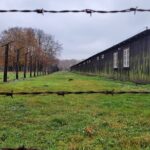
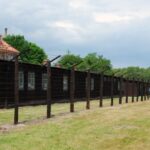
One of the biggest strengths is that you see both the old and the new camp quarters. That isn’t just “more buildings.” It helps you understand the camp’s evolution—how it expanded and adapted over time. When you only see one section, it’s easy to lose the sense of change. Seeing both quarters gives you a clearer timeline, even if the facts are painful.
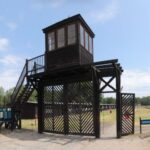
You’ll also visit major built areas that explain how the camp operated. That guided navigation helps you connect what you’re looking at with what the guide is describing, instead of trying to interpret everything alone.
Commander’s villa: power, distance, and how the system stayed in charge
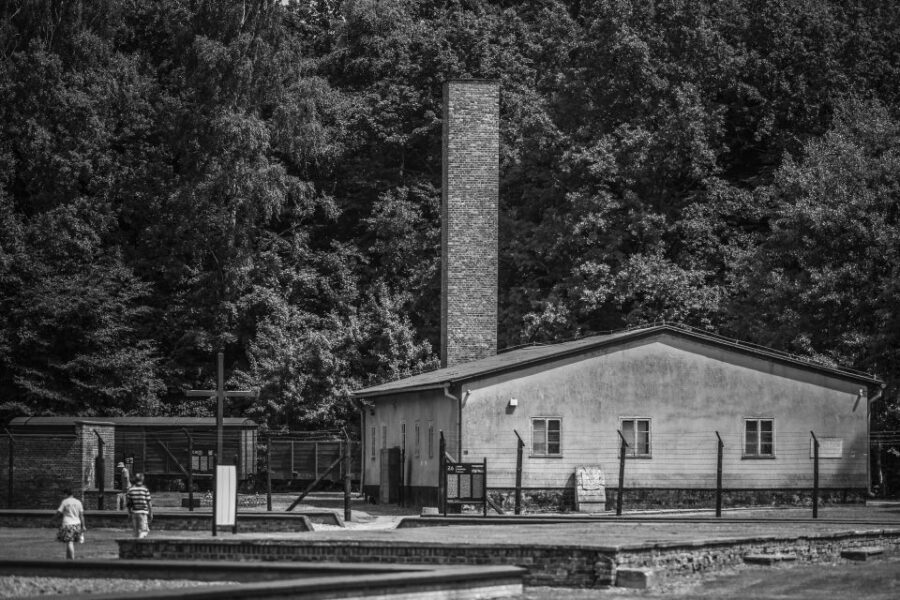
A stop at the commander’s villa can feel like an abrupt shift in tone, but it’s an important one. The presence of a commander’s residence reminds you that this wasn’t chaotic violence. It was controlled, organized, and run by people with authority—and with the ability to separate themselves physically from the suffering happening elsewhere on the grounds.
This is where a private guide becomes especially valuable. You don’t just look at a structure; you’re given context about what it represented in the camp system and how authority functioned inside the Nazi setup. If you’re trying to understand the machinery of cruelty, this kind of “power-and-distance” stop helps you connect the dots.
Gas chambers, crematorium, and the victims’ monument: how the tour handles the worst material
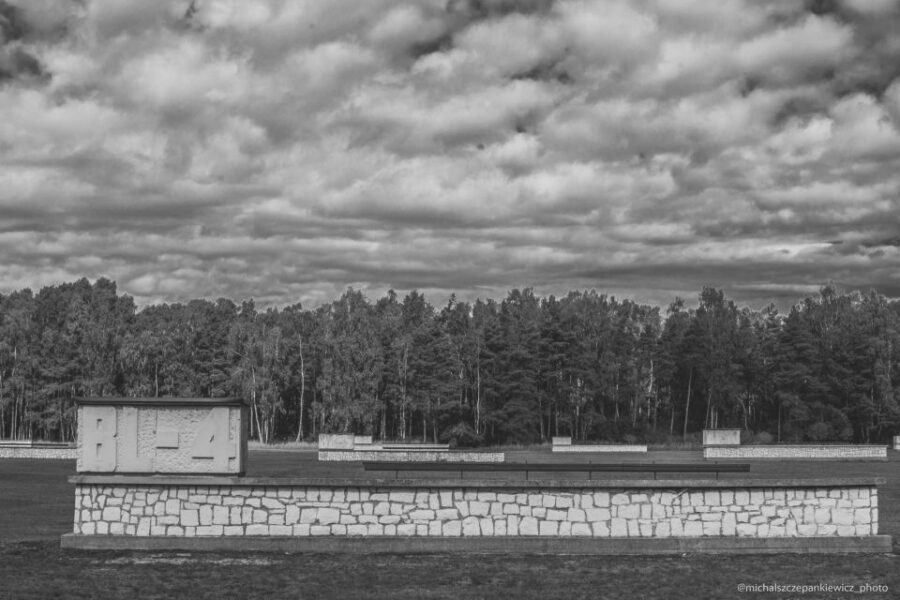
The most difficult part of the visit includes the gas chambers and crematorium. The goal here isn’t shock or spectacle. It’s historical witness. You’ll be guided through these areas as places tied to mass murder and the processes used to carry it out.
This section is also where the tour’s warning really matters. Stutthof is described as graphic and emotionally intense, and it’s recommended only for individuals aged 13 and above. Even if you’re an adult who feels prepared, you should expect the emotional weight to land hard.
After that, the tour shifts into a more reflective mode at the camp victims’ monument, where you can pay respects. That transition is meaningful. It gives you a moment that’s not about facts and structures anymore, but about acknowledgement—remembering the victims as people, not just as historical numbers.
Other private tours in Gdansk





The persecution story of Pomerania: making sense of what you’re seeing
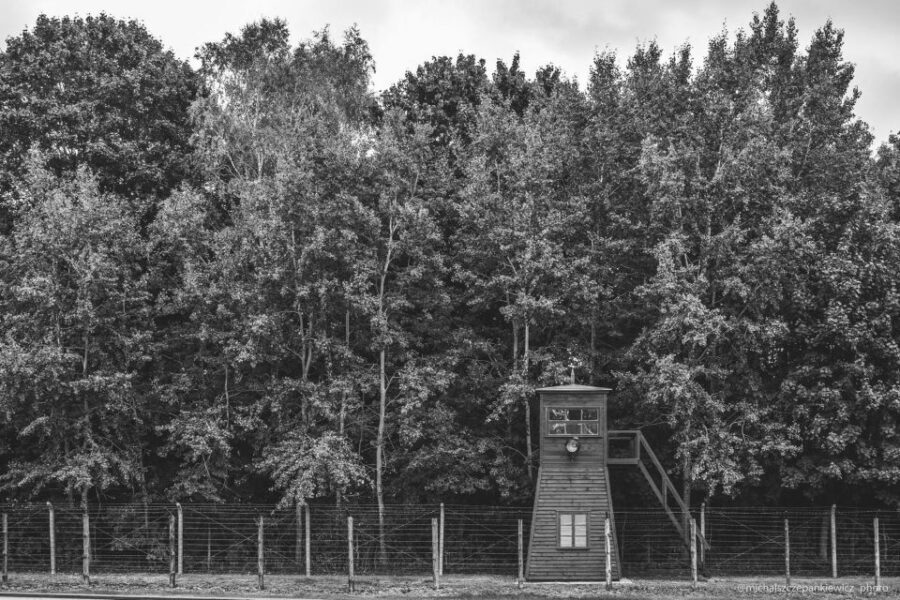
It’s easy to visit a concentration camp and still leave with a vague sense of the “when” and “where.” This tour goes further. You learn about the persecution and occupation of Pomerania, which is the regional context behind the prisoners who were targeted and transported into the camp system.
That’s a big deal for you if you’re traveling with curiosity and you want understanding that lasts longer than the photo roll. When the guide connects the local history to the site, your brain stops treating Stutthof like a distant event and starts treating it like a place where real communities were affected.
Private guide experience: why a small group changes everything
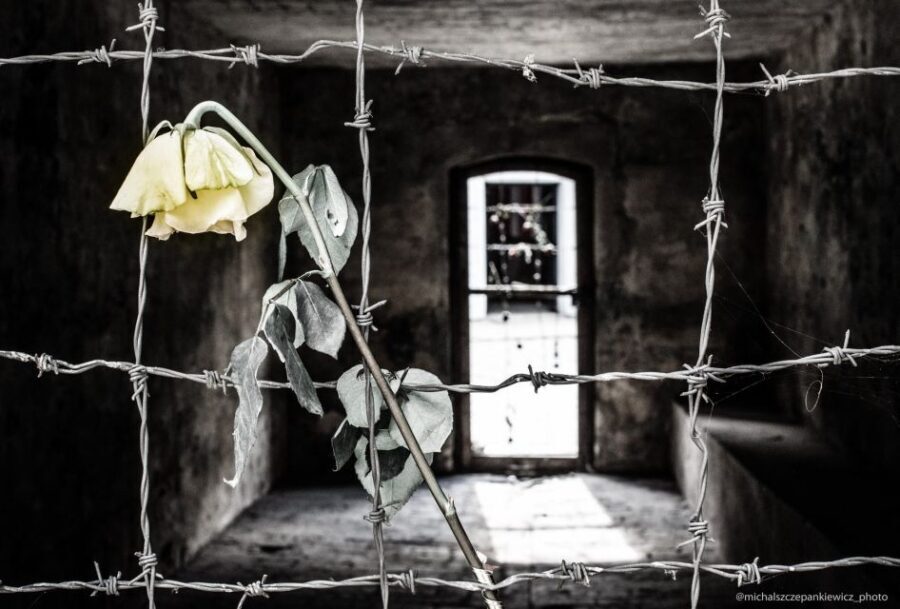
This is a private group tour, and the practical effect is simple: you get more control over the pace and more room for questions. The tour is offered with live guides in English, German, or Polish, so you’re not forced into a one-size-fits-all explanation.
In a larger group, the guide has to push through. In a private setting, the guide can respond to what you’re actually asking. That matters at Stutthof, because people process information differently. Some want more detail about how the camp worked; others want clarification to help them interpret what they’re seeing.
I also appreciate that the tone tends to stay practical: the story is handled respectfully, with enough historical structure that you don’t feel lost in the emotion.
The optional documentary film screening: when you want extra background
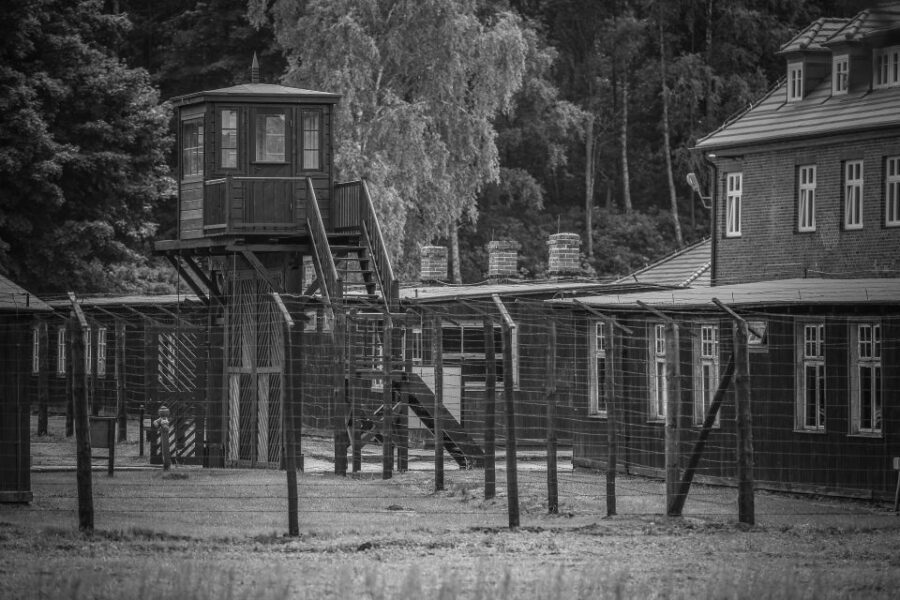
If you want more context, there’s an optional documentary film screening as part of the experience. This can be a good choice if you know you’ll think about the visit afterward and you want a stronger historical foundation than what you can absorb in a guided walk.
The film is optional, which is the right move for a site like this. Not everyone has the energy to take in more material after the gas chamber and crematorium portions.
Timing, pacing, and the built-in break at Morska 32
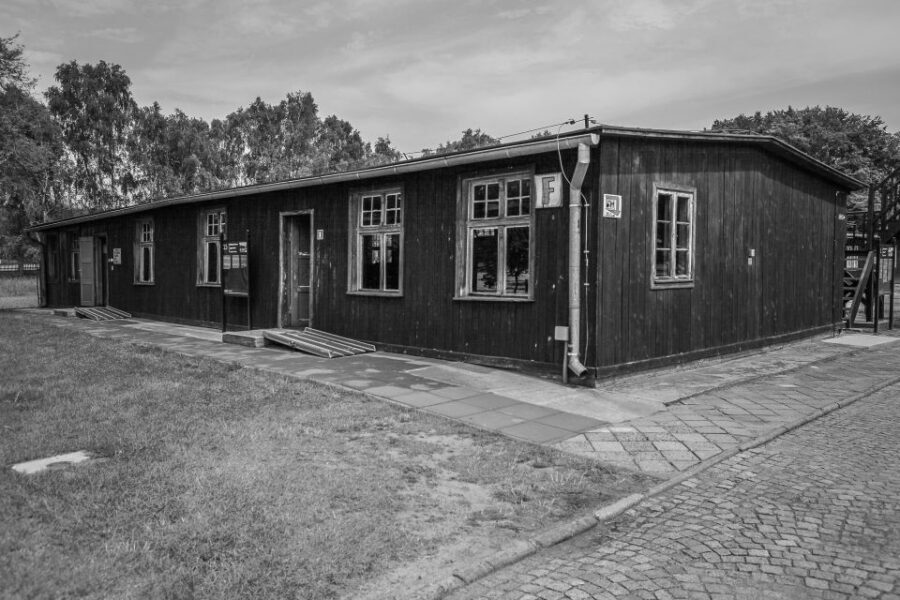
The day is built around a clear rhythm. After pickup and the ride toward Stutthof, you get the guided museum visit. Then you have a scheduled break at Morska 32 for about 30 minutes, before returning to Gdańsk.
That break is not an afterthought. At a site like this, you’ll likely need a reset. Having it planned into the schedule helps you avoid the awkward scramble of finding time and space on your own.
Price and value: what $461 per group up to 3 really buys you
The price is $461 per group (up to 3 people) for a tour lasting about five hours. That can sound high until you look at what’s included.
You’re paying for:
- Private transport
- A private museum tour guide
- Entrance tickets to the Stutthof Museum
- Parking fees
- A structured experience that covers major sites: old and new camp quarters, commander’s villa, gas chamber, crematorium, and the victims’ monument
If you’re splitting the cost with 2 other people, the per-person rate becomes much easier to swallow. Even if you’re only a couple, private transport plus guided access is often where the value shows up—because it removes friction. You spend your limited time on the grounds, not coordinating transit or figuring out ticket logistics.
For solo travelers, the price is still about buying time and focus: you’re paying to have the visit shaped around your needs with minimal hassle.
Who should book this private Stutthof tour
This is a strong fit if you:
- Want a guided visit that connects buildings to the history of persecution in Pomerania
- Prefer a private group setting where you can ask questions
- Are comfortable with a graphic and emotionally intense museum experience
- Plan to visit with someone who understands the age guidance of 13+
It’s not the best choice if you’re bringing younger kids or if you know you’re not ready for the gas chamber and crematorium areas. This is the kind of place where “half-day” doesn’t mean “light.”
Should you book it?
I’d book this tour if you care about understanding what you’re seeing, not just passing through it. The private format, the fact that you cover the major camp areas in one guided arc, and the inclusion of entrance tickets and museum guidance all make the day feel coherent.
Skip it only if your priority is minimizing emotional intensity. Stutthof isn’t a casual stop, and the tour is built around the reality of what happened there. If you do go, you’ll be glad you chose a guide-based approach.
FAQ
Where does pickup happen?
Pickup is available from hotels or apartments in Gdańsk, Sopot, and Gdynia. You provide the address you want to be picked up from when booking.
How long is the Stutthof private tour?
The total duration is about 5 hours.
What’s included in the tour price?
The tour includes private transport, a private museum tour guide, entrance tickets to the Stutthof Concentration Camp Museum, and parking fees.
Which parts of Stutthof will we visit?
You’ll see the old and new camp quarters, the commander’s villa, the gas chambers and crematorium, and the camp victims’ monument.
Are documentary screenings included?
A documentary film screening is optional as part of the experience.
What languages are available for the live guide?
The live guide is available in English, German, and Polish.
Is it suitable for children?
The tour is not suitable for children under 13 years old, because of the graphic and emotionally intense nature of the exhibition.
What’s the cancellation policy?
You can cancel up to 24 hours in advance for a full refund.