REVIEW · GDANSK
Gdańsk City Sights & History Guided Walking Tour in English
Book on GetYourGuide →Operated by Walkative Tours · Bookable on GetYourGuide
Gdańsk tells its story in footsteps. This 150-minute guided walk strings together the city’s old-town “money years,” its rebuilt streets, and the WWII-to-Solidarity arc you rarely get from a quick self-guided loop. I especially like how the route turns landmarks—Long Market and St. Mary’s Basilica—into moments of real context, not just photo stops.
Two things I’m glad I prioritized: the chance to see the Neptune Fountain in the flow of Long Market life, and the Zuraw crane in the harbor as a working-symbol of Gdańsk’s waterfront power. One possible drawback: the tour stays rain or shine, so if you hate walking in bad weather, pack like you mean it.
In This Review
- Key highlights worth planning around
- A 150-minute timeline you can actually follow
- Meeting at Złota Brama and finding your group fast
- Long Market: where the merchant era becomes visible
- Colorful townhouses, war damage, and careful rebuilding
- St. Mary’s Basilica: brick Gothic you can feel
- Down to the harbor: the Zuraw treadwheel crane
- Rivers, canals, and why the water shapes everything
- WWII in Gdańsk and the independence storyline
- Who this tour suits best (and who might want a different pace)
- Price and value: is $26 a smart use of your time?
- Tips to make the most of the walk
- Should you book this Gdańsk City Sights & History guided walk?
- FAQ
- Where is the meeting point for the tour?
- How long is the walking tour?
- Is the tour in English?
- How much does the tour cost?
- Is hotel pickup or drop-off included?
- Does the tour run in bad weather?
- What should I bring?
- Is the tour wheelchair accessible?
- What is the cancellation policy?
Key highlights worth planning around
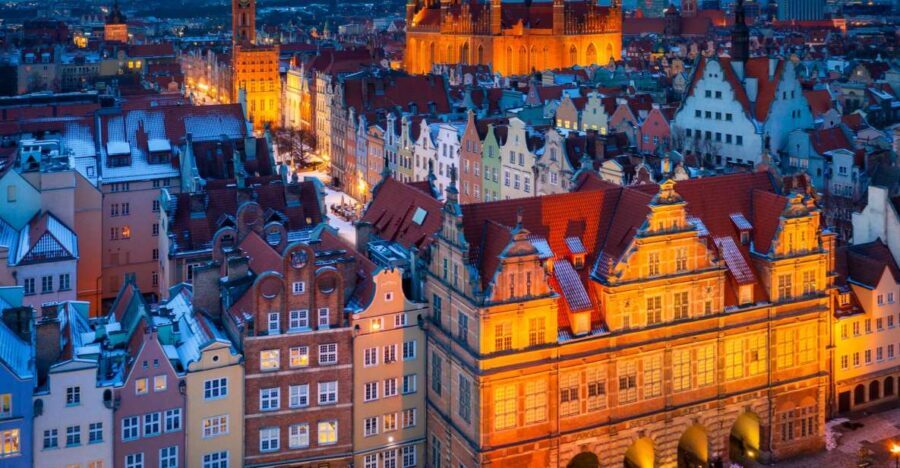
- Golden Gate meeting point: show up at Złota Brama and look for a yellow umbrella
- Long Market + Neptune Fountain: classic Gdańsk views with an explanation of the merchant era
- St. Mary’s Basilica: huge brick Gothic architecture and a timing moment at the clock
- Zuraw treadwheel crane: the largest crane of its kind, tied to the city’s harbor work
- WWII and Solidarity thread: the guide connects old-town power to modern independence
- Fast, friendly pacing: short breaks often happen so you can keep going comfortably
A 150-minute timeline you can actually follow
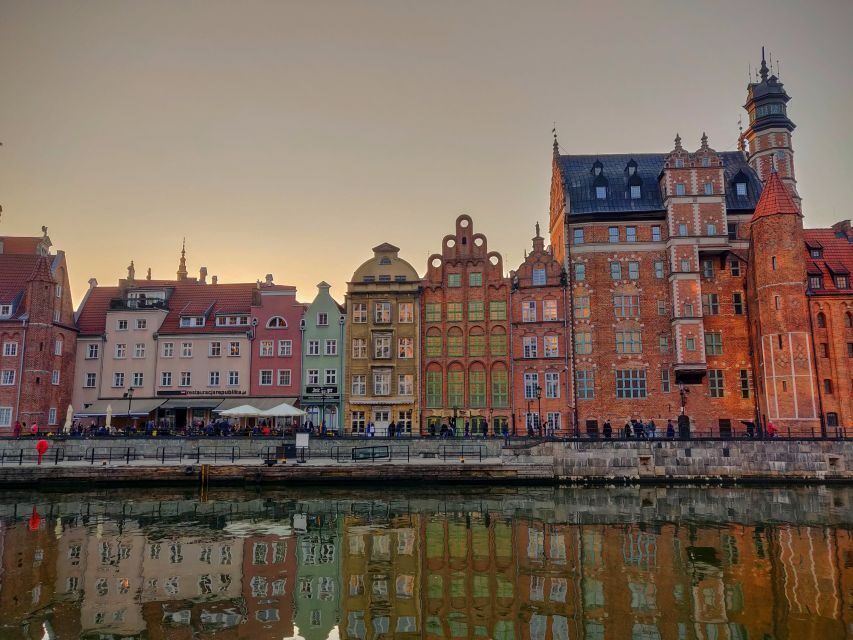
This tour works because it’s built like a story you can walk through. In about two and a half hours, you move from the medieval merchant heart into the harbor, and then you get the political storyline that explains why Gdańsk’s past matters today.
You’ll start in the old center and stay mostly in walkable corridors where the architecture does the talking. And unlike a long museum day, this is paced for photos and questions. The guide’s job is to connect what you see—brickwork, cranes, canals, rebuilt storefronts—to what those places meant.
Other walking tours we've reviewed in Gdansk

Meeting at Złota Brama and finding your group fast
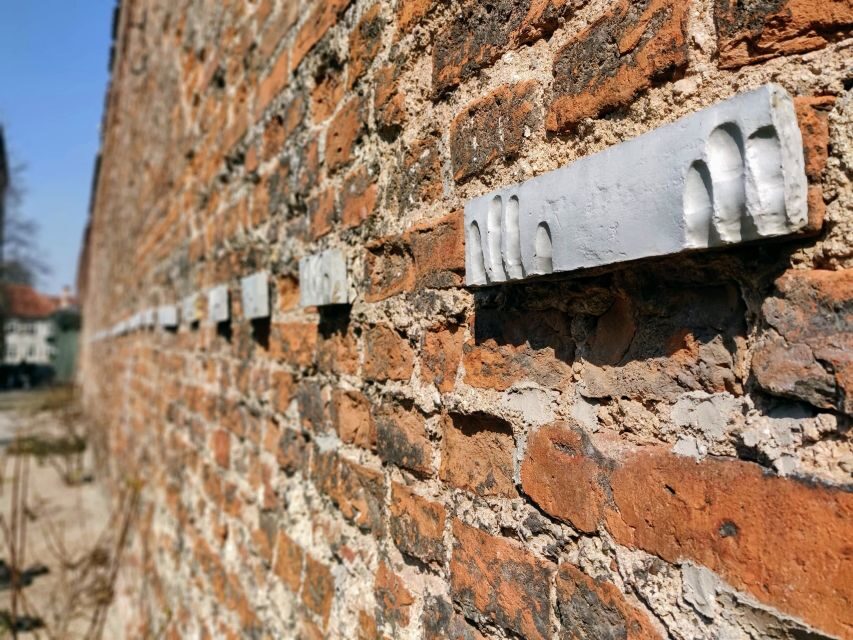
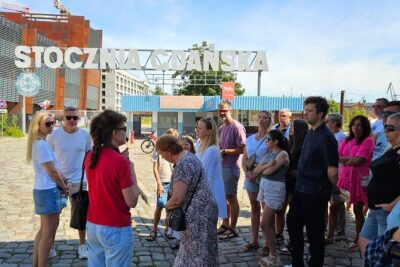
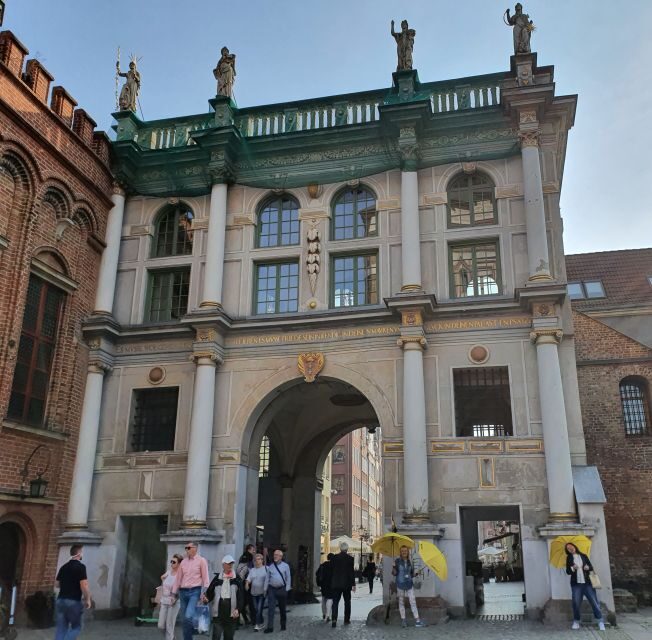
Your meeting point is the Golden Gate, Złota Brama. Look for the yellow umbrella so you can spot the group quickly and avoid the awkward “are we waiting for the tour?” shuffle.
This matters because you only have 150 minutes. The better you are at starting on time, the less you feel rushed later near the big-ticket stops like St. Mary’s Basilica and the harbor.
Also note what isn’t included: there’s no hotel pickup or drop-off. If you’re staying outside the old town, plan an easy route to Złota Brama before you join the walk.
Long Market: where the merchant era becomes visible
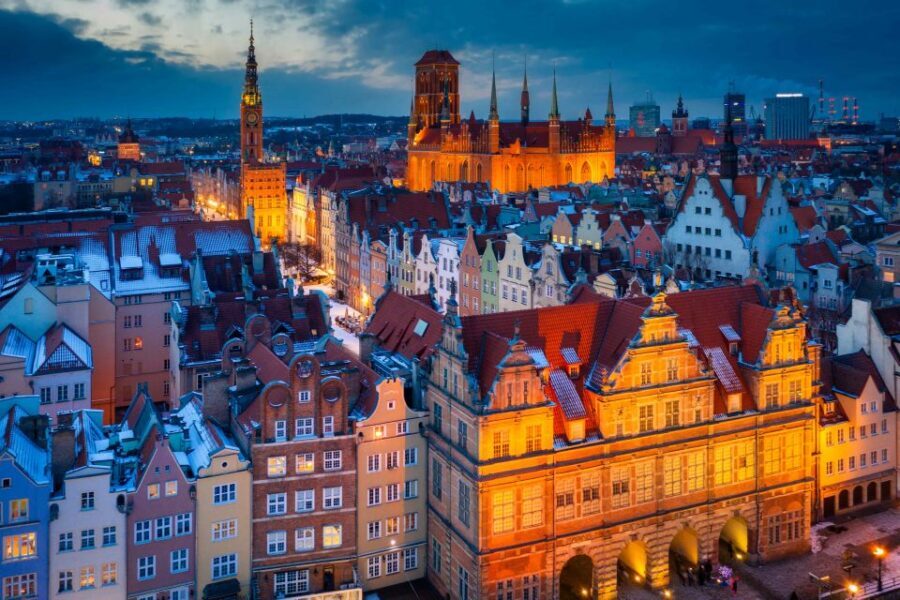
Long Market is the tour’s social and visual center. You’ll stroll through the area and stop to see the Neptune Fountain, a landmark that’s instantly recognizable and also easy to understand once the guide gives you the setting.
What I like about this stop is that it’s not just a postcard. The guide ties Long Market to the way merchants helped make Gdańsk one of the richest cities on the Baltic Sea. You can stand at the fountain and suddenly read the square as a place where wealth, trade, and civic pride lived side by side.
Practical tip: if it’s cold or windy, you’ll appreciate the flow of the walk because the stops are spread out. In one of the guide-led experiences, people noted warm-up pauses, which is exactly the kind of small kindness that helps on a winter day.
Colorful townhouses, war damage, and careful rebuilding
As you move toward the core sights, you’ll get a look at the idea behind the old-town look: many of the colorful merchant townhouses were destroyed by the war and then painstakingly rebuilt.
That matters because the restored facades can feel like the city is playing dress-up—until you’re told what was lost and what came back. The guide gives you the sense of continuity: this is a place where the past didn’t vanish, it was rebuilt with intention.
You’ll also hear about the mix of influences that shaped everyday life in Gdańsk—Polish, Dutch, and German. That cultural layering isn’t academic. It shows up in the city’s feel, the details in architecture, and the way people talk about their identity.
St. Mary’s Basilica: brick Gothic you can feel
St. Mary’s Basilica is the stop that often makes people slow down. You’ll admire its Gothic brickwork, and it’s described as the largest brick Gothic church in the world—a claim that lands immediately when you’re standing in front of it.
The value here is the guide’s framing. You’re not only seeing an impressive building; you’re learning why this kind of architecture mattered for a port city. Big stone and brick wasn’t just faith. It was also status, community, and endurance.
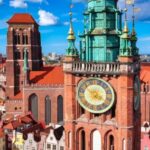
Timing helps too. In past tour experiences, guides have timed the visit so you can catch the clock moment at St. Mary’s around noon. If you’re planning your day, this is one reason to do the tour earlier rather than late afternoon—so you have a better chance of matching the timing.
Other guided tours in Gdansk



Down to the harbor: the Zuraw treadwheel crane
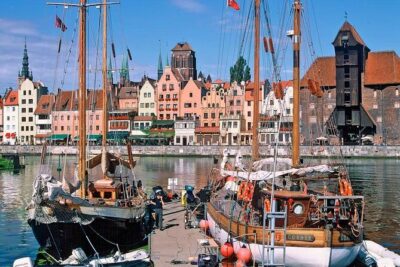
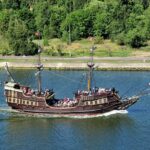
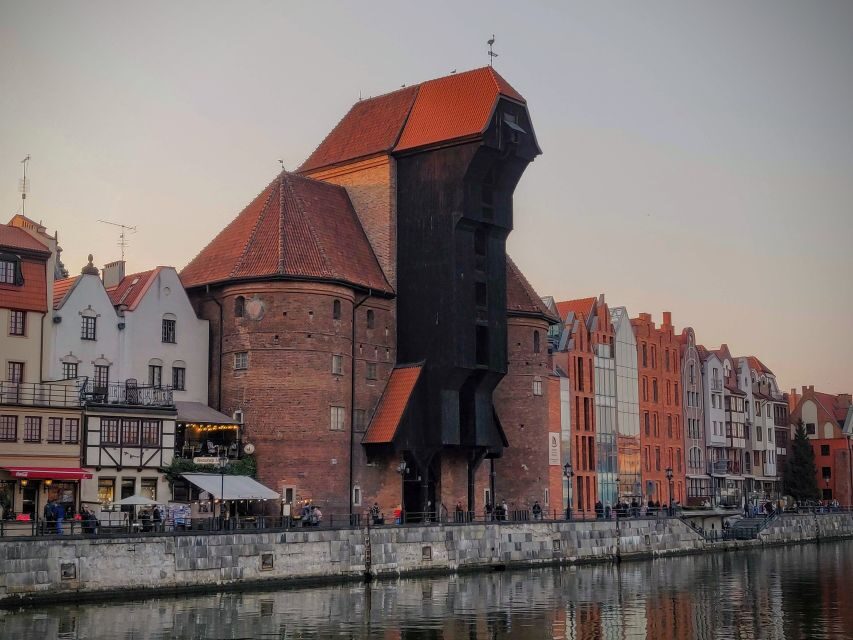
Then you head toward the water for the harbor centerpiece: the Zuraw crane. You’ll see the medieval treadwheel crane and learn why it’s such a symbol for the city—it’s the largest of its kind and tied directly to work on the docks.
This is one of the most satisfying stops because the explanation makes the structure make sense. The crane isn’t just a cool chunk of history. It’s a reminder that Gdańsk’s power came from moving goods—grain, timber, and whatever else needed lifting—turning geography into prosperity.
If you like architecture, engineering, or anything that looks like it was built to do a job, this stop is a highlight. And it’s a good counterbalance to the church and market stops because it puts the city’s story back into physical labor and trade.
Rivers, canals, and why the water shapes everything
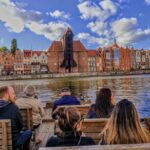
As you walk, you’ll also see Gdańsk’s rivers and canals as part of the route. That might sound like background, but it’s really part of the story.
Gdańsk is a port city. So the water isn’t decoration—it’s the reason commerce grew and the reason the city kept getting attention from bigger powers. When you connect the canal-and-river visuals to the merchant prosperity the guide explains, it all starts to click.
If you’ve already visited other Baltic cities, you’ll notice the same pattern: the water does the economic work, and the people build culture around it. Here, the guide makes sure you don’t miss that link.
WWII in Gdańsk and the independence storyline
A major part of the tour is how the guide tells you about how WWII began in the city. The idea isn’t to dump dates on you. It’s to connect place to history—so the streets and landmarks you’re walking past feel tied to real turning points.
You’ll also hear how Gdańsk kept pushing toward independence, including the role of the Solidarity movement and how it helped herald the fall of communism in the Eastern bloc.
This is where the tour becomes more than sightseeing. You’ll leave with a clearer idea of why people care about Gdańsk’s past—and why the city’s identity is tied to both commerce and resistance.
A consideration: this part of the story can be heavy. If you prefer light explanations, it helps to ask your guide for the “why does this matter” angle, and take a quick break when you need one.
Who this tour suits best (and who might want a different pace)
This tour is a great fit if you want a first pass at Gdańsk that’s organized and story-based. You’ll like it if you’re the type who enjoys hearing how one landmark connects to the next chapter.
It’s also a smart choice for a short stay. With only 150 minutes, you can get the core city-sight structure without needing to plan museum tickets or internal transit.
Wheelchair accessible is listed, and the route is walk-based. If you use a mobility aid, still consider that “walking tour” means you’ll be on your feet for most of the duration.
If you’re the kind of traveler who wants fewer facts and more freedom to wander, you might find the history density a bit intense. In that case, try this tour early, then switch to slower self-paced exploring after.
Price and value: is $26 a smart use of your time?
At $26 per person, the price is positioned as a true short intro to major landmarks plus a guided story connecting them. For many cities, you’d spend similar money on a single attraction entry. Here, you get multiple iconic stops (market, basilica, harbor crane) plus the WWII and Solidarity context.
The value improves if you’re unfamiliar with Gdańsk’s background. The guide’s job is to take what looks like “old buildings” and give it meaning you can remember. And because the tour is only 150 minutes, it doesn’t drain a whole day the way longer tours can.
One more practical note: the tour says the payment covers a reservation fee and the guide’s payment. That helps you understand where your money is going. If you’re the kind of person who likes to show extra appreciation when a guide really works for you, keep local custom in mind, but the tour itself already includes guide support in the stated price.
Tips to make the most of the walk
Weather is real here. The tour takes place rain or shine, so wear weather-appropriate clothing and plan for wind around the waterfront.
Bring flexibility: you’ll have stops where the guide explains for a few minutes, and then you’ll move on quickly. If you want photos, stand where you won’t block others. At St. Mary’s Basilica, especially, give space so everyone can see and hear the guide.
If you’re visiting in winter, it’s smart to dress for warmth. In previous experiences, guides have helped groups by taking short warm-up moments, which makes the whole outing feel manageable rather than miserable.
Should you book this Gdańsk City Sights & History guided walk?
I think you should book it if you want the fastest way to understand how Gdańsk connects merchants, architecture, war, and independence. The route covers the big-name sites you’ll want anyway, and the guide ties them into a storyline that makes the city feel less random.
Skip it only if you know you want a totally self-guided day with minimal narration. Otherwise, this is one of those “do it early” tours that gives you a framework—then you can explore the rest of the city with better instincts.
FAQ
Where is the meeting point for the tour?
Meet at Złota Brama (the Golden Gate). Look for a yellow umbrella.
How long is the walking tour?
The duration is 150 minutes.
Is the tour in English?
Yes, it includes a live English guide.
How much does the tour cost?
It costs $26 per person.
Is hotel pickup or drop-off included?
No. Hotel pickup and drop-off are not included.
Does the tour run in bad weather?
Yes. The tour takes place rain or shine.
What should I bring?
Bring weather-appropriate clothing.
Is the tour wheelchair accessible?
Yes, it is listed as wheelchair accessible.
What is the cancellation policy?
You can cancel up to 24 hours in advance for a full refund.