REVIEW · GDANSK
Gdańsk Old Town Private Walking Tour with Legends and Facts
Book on Viator →Operated by Rosotravel Tours Gdansk · Bookable on Viator
Gdańsk turns legend into walking directions. This private walking tour is built for first-time visitors who want big sights, clear stories, and time to ask questions while you move through the Old Town. I like that it links architecture to real political moments, so you leave with more than postcard photos. I also love the Solidarity-focused stops, which make modern Gdańsk feel connected to the city’s older power and trade days.
The main thing to consider is that you’re walking in a compact route with church interiors and museum time, so comfortable shoes matter. Also, private tours run at the guide’s style level, and one booking flagged an issue with English quality and an extra store stop, so it’s smart to set your priorities early.
In This Review
- Key Things You’ll Enjoy Most
- Getting Oriented Fast: Why This Route Works
- Start at Upland Gate (Brama Wyzynna) and Read the Walls
- Long Market Days: Golden Gate to Neptune’s Fountain
- Artus Court (Dwor Artusa): Merchant Power, Not Just a Pretty Building
- Motlawa River (Długie Pobrzeże): The View Stop That Gives Perspective
- St. Mary’s Basilica and the Great Armoury: Brick, Power, and Timing
- Wyspa Spichrzów and Olowianka: From Warehouse Ruins to Waterfront Life
- St. Bridget’s Church (Kosciol sw. Brygidy): Solidarity, Martial Law, and Amber
- Monument to 1970 Shipyard Workers and the European Solidarity Centre
- What Private Means Here: Pace, Questions, and Real Local Tips
- Price and Logistics: Is It Worth $107.89 Per Person?
- One Real Drawback to Plan For
- Should You Book This Tour?
- FAQ
- How long is the Gdańsk Old Town private walking tour?
- Is this tour private?
- Do you offer pickup from my hotel?
- What language is the tour offered in?
- Are entrance tickets included?
- Can I cancel and get a refund?
Key Things You’ll Enjoy Most
- Old Town gate to riverside to churches in one connected route, so the city starts to make sense fast
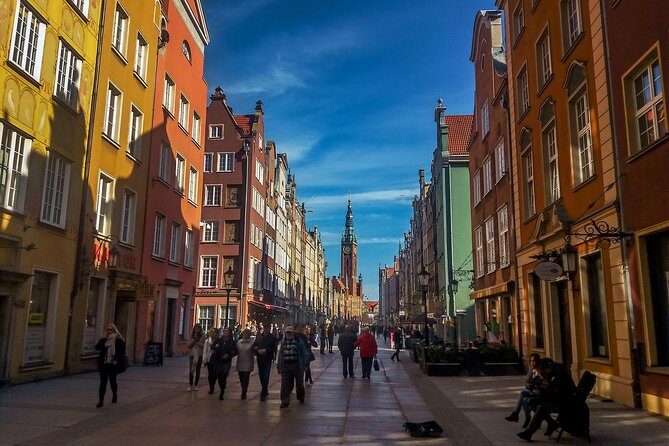
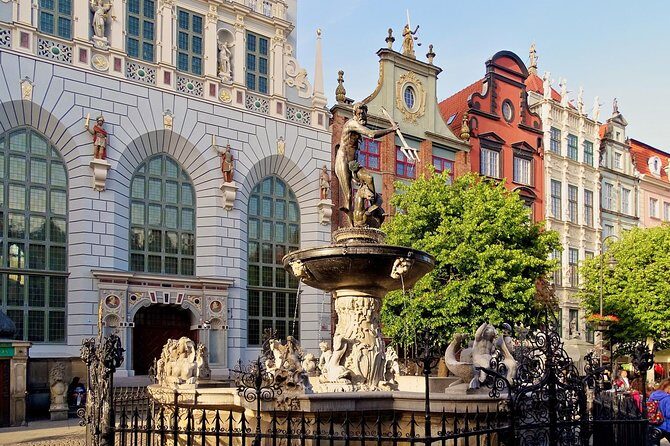
- Town Hall, Golden House, and Neptune’s Fountain along the Long Market corridor
- Artus Court (Dwor Artusa) as a living stop, not just an exterior photo moment
- St. Mary’s Basilica time well used, including a chance to catch the clock show when the schedule allows
- St. Bridget’s Church and the Solidarity door scenes spanning August 1980 to December 1981
- European Solidarity Centre for modern political context in a museum setting
Getting Oriented Fast: Why This Route Works
Gdańsk has a talent for confusing first-timers. Streets look similar, buildings repeat brick-and-gable patterns, and you can miss how everything ties together. This is why I like this private format: you get a guide who can connect the dots while you’re still in motion, and you’re not stuck listening to a one-size-fits-all script.
You’ll also cover two different Gdańsk moods in the same outing. The early part leans medieval and Hanseatic, with gates, markets, and merchant power. The back half lands on the Solidarity story, including the places that explain how ordinary workers changed modern Europe. That mix is great value for the price because it turns a short visit into a real “city understanding” day.
Other Old Town walking tours we've reviewed in Gdansk


Start at Upland Gate (Brama Wyzynna) and Read the Walls
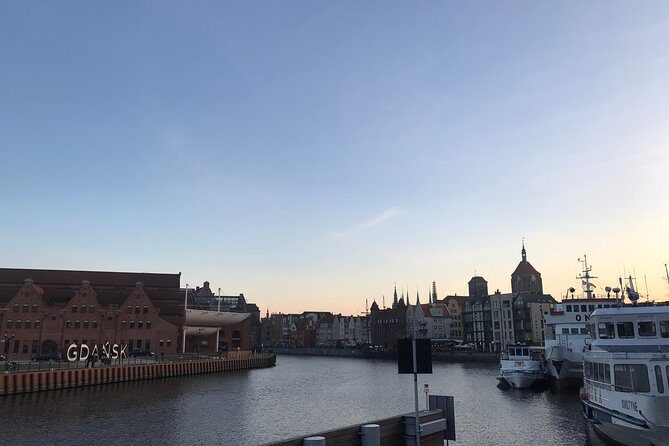
You begin at the Highland Gate area, at Wały Jagiellońskie 2A. From there, your walk starts at Upland Gate (Brama Wyzynna), the main entrance to the medieval city wall. This is a smart opener because you’re not just learning where things are, you’re learning how the city used to defend itself and control movement.
The gate stop is quick and free, which keeps the morning from feeling like a long briefing. If you like history that helps you visualize the past, this is where it starts clicking: walls and entrances aren’t trivia. They’re why the Old Town street plan looks the way it does.
Long Market Days: Golden Gate to Neptune’s Fountain
Next you move along the heart of the Old Town, passing the Langgasser Tor (Goldenes Tor) and continuing toward the Long Market stretch on Dluga Street. This is the section where Gdańsk really shows off: you’ll see major medieval and early modern landmarks packed close enough to enjoy without rushing.
The walk here typically includes the Gdańsk Town Hall, the Golden House, and Neptune’s Fountain. The best part is that your guide can explain what you’re looking at as you’re standing there, rather than sending you off with a phone map and a maybe-later plan. It also helps if you care about architecture details, because you’ll learn what to notice beyond the big facades.
One practical note: this is prime tourist space. A private guide helps because you can keep moving at a comfortable pace and still get answers, instead of getting stuck in the crowd.
Artus Court (Dwor Artusa): Merchant Power, Not Just a Pretty Building
Your route then heads to Artus Court (Dwor Artusa), now a branch of the Gdańsk History Museum. Your guide frames it as a former meeting place for the city’s merchants, which instantly changes how you read the building.
This is a great stop for two reasons. First, it connects the medieval trade story to something concrete: people met here to negotiate and socialize, so the building mattered. Second, it gives you an intro to local history and arts collections without the pressure of a full-day museum deep dive.
The timing is short, so I’d use it as an orientation stop. If you later decide you want more museum time, you’ll know what direction to go.
Motlawa River (Długie Pobrzeże): The View Stop That Gives Perspective
Then you shift to the Motlawa River embankment at Długie Pobrzeże for a scenic break and photos. This part of the day matters more than it seems. Rivers in port cities are the reason for trade routes, wealth, and the whole layout of streets and warehouses nearby.
Even though the stop is brief, it gives you a breathing moment before churches and Solidarity sites. Admission is listed as not included for this element, but in practice this segment reads like a walking-and-looking pause, not a long ticket line.
Other walking tours we've reviewed in Gdansk





St. Mary’s Basilica and the Great Armoury: Brick, Power, and Timing
St. Mary’s Basilica is the kind of building that changes your voice when you walk inside. You’re stepping into one of the largest brick churches in the world, with an ornate altar, an organ setup, and a royal chapel. Your guide helps you understand what the church layout and decorations signal about status and belief in Gdańsk.
There’s also a practical payoff. One of the guide strengths highlighted in past bookings is timing, including making sure you’re at St. Mary’s Basilica in time for the clock show. If you care about moments that feel like part of the building experience (not just a quick walk-through), this is where that attention to schedule pays off.
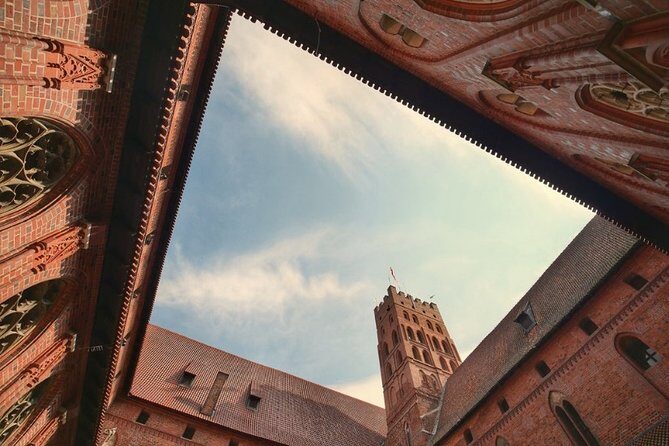
The walking portion continues to the Great Armoury, a standout Renaissance example, where the tour effectively ends its main Old Town core. Even if you’re not an armor-history person, Renaissance buildings like this are good to see because they show the shift from medieval dominance to early modern civic identity.
Wyspa Spichrzów and Olowianka: From Warehouse Ruins to Waterfront Life
After the church-heavy section, the route opens up into the Motlawa islands, including Wyspa Spichrzów. This area is where you learn about how trade worked physically: brick structures and warehouse ruins along the river make the port economy real.
You’ll also walk through the redeveloped island area and hear the historical background of trade in the city. This stop runs about an hour and includes admission in the tour structure, so plan for an actual on-site experience, not only street-level sightseeing.
One extra detail I like here is the chance to spot the Baltic Symphony Hall in the Olowianka Old Town area, red brick and highly photogenic. It’s a modern cultural landmark that helps you see the city as living, not just rebuilt.
St. Bridget’s Church (Kosciol sw. Brygidy): Solidarity, Martial Law, and Amber
Now the tour turns sharply to the modern story. St. Bridget’s Church is described as a sanctuary for Solidarity leaders under martial law. That’s the kind of fact that changes how you look at a church door and carvings, because it connects faith spaces to political protection.
A standout detail is on one of the huge church doors, with scenes tied to August 1980 through the imposition of Martial Law in December 1981. This is the sort of visual timeline that sticks in your head long after the walk is over.
In addition, the church has a display of religious artifacts and a remarkable amber altar, made from raw amber associated with this region. If you’re curious about how locals value what comes from their geography, this is an excellent pairing of politics and material culture.
Admission for this church is included in the tour structure, which makes the stop feel easier to fit into a short visit.
Monument to 1970 Shipyard Workers and the European Solidarity Centre
You’ll then move into the story of collective action and its consequences, starting with the Monument to the Fallen Shipyard Workers of 1970. It commemorates workers who died during anti-communist riots. Even if you only know the broad Solidarity outline, this step gives you an earlier anchor point that helps the later museum story feel less sudden.
From there, the European Solidarity Centre is the museum highlight for history lovers. It’s included and focused on the Solidarity riots and the trade union movement that helped set the stage for the end of communist government in Poland. The value here is that it doesn’t ask you to guess connections. Your guide can explain the timeline and the stakes while you’re standing in the exhibits.
If you’re the type who likes to understand how peaceful civic pressure can reshape politics, this is the part of the day you’ll remember.
What Private Means Here: Pace, Questions, and Real Local Tips
This is a private tour, so your group only walks with your guide. That changes the feel of Gdańsk because you can slow down for details or speed up when you’re bored. Past bookings repeatedly praise guides for staying engaging and humorous, and for adjusting pace rather than bulldozing through a checklist.
Names that show up in high praise include Kaja, Marek, Thomas, Marta, and Krzysztof. You’ll also hear about guides bringing photos of how places looked before reconstruction, which helps you “see” the city’s changes instead of only hearing about them.
You can also benefit from off-menu local advice. One booking mentioned bar and restaurant recommendations, and another described a guide taking the group to an amber dealer where the process of spotting real amber versus fake was explained. Those are optional extras, but they show what strong guides do: they add useful context that you won’t find from signs alone.
Price and Logistics: Is It Worth $107.89 Per Person?
At $107.89 per person, this isn’t a casual bargain-walk. It’s closer to paying for a knowledgeable companion who threads stories through multiple major stops. What makes it reasonable value is that the route includes a lot for a limited time: several major Old Town landmarks plus included admission for key cultural and Solidarity stops.
You also get practical help that reduces wasted time. The tour offers pickup if your accommodation is within 1.5 km of the meeting point near the Highland Gate area. If you’re farther out, you’ll meet at Wały Jagiellońskie 2A. That “near public transportation” note matters because you can arrive without complicated planning.
Duration runs about 2 to 6 hours, depending on how much you want to linger. Since it’s private, that flexibility is part of the price: you’re not just buying tickets. You’re buying control over how the day unfolds.
One Real Drawback to Plan For
The big drawback is variability in guide style. One booking flagged that English wasn’t strong enough for their expectations, and another mentioned the tour being interrupted for a store visit. That’s not guaranteed, but it’s enough to treat the first five minutes as a mini planning session.
When you meet your guide, share what you care about most: Old Town monuments, Solidarity history, architecture details, or time for photos. Clear priorities make the experience better for everyone.
Also, since the tour includes church interiors and museum time, factor in the weather and your walking stamina. Wear comfortable shoes and bring a layer. Gdańsk mornings can be breezy, especially near the river.
Should You Book This Tour?
Book it if you’re visiting Gdańsk for the first time and want a day that actually connects the city’s medieval trade identity to the Solidarity-era story. I’d also pick it if you like moving through places with explanations that match what you’re seeing right now, especially at St. Mary’s Basilica and the European Solidarity Centre.
Skip or rethink it if you dislike walking tours, or if your main goal is only casual sightseeing. The route is packed with stops, so you’ll get the most value if you’re ready to listen and ask questions.
If you’re short on time but want a real feel for Gdańsk, this one is a strong choice.
FAQ
How long is the Gdańsk Old Town private walking tour?
The duration is listed as approximately 2 to 6 hours.
Is this tour private?
Yes. It’s a private activity, meaning only your group participates.
Do you offer pickup from my hotel?
Pickup is available only in the Gdańsk Old Town area. Your guide meets you at your accommodation if it’s within 1.5 km of the meeting point.
What language is the tour offered in?
The tour is offered in English.
Are entrance tickets included?
Entrance tickets are free for several stops. Tickets are included for Wyspa Spichrzów, St. Bridget’s Church, and the European Solidarity Centre. The Motlawa River embankment stop notes admission is not included.
Can I cancel and get a refund?
Yes. You can cancel for free up to 24 hours in advance for a full refund.