REVIEW · GDANSK
Gdansk: Stutthof Concentration Camp Regular Tour
Book on GetYourGuide →Operated by Mr.Shuttle · Bookable on GetYourGuide
Stutthof is history you can’t skim. This tour takes you from Gdańsk to the first and longest operating Nazi concentration camp outside German territory, with a guided visit that keeps the focus on people, not just dates.
I love the hotel pickup + air-conditioned minibus setup. It means less logistics stress and more time watching the scenery change as you head toward Sztutowo and the former camp area.
I also love the way the visit is structured around the Memorial Museum and key sites like the commander’s villa, gas chambers, crematorium, and the victims’ monument. One possible drawback: it’s emotionally heavy, and the walking plus somber pace won’t feel comfortable if you prefer an easy, casual outing.
In This Review
- Key Things That Make This Tour Worth Your Time
- Why Stutthof Hits Harder Than Most WW2 Sites
- Gdańsk Pickup and the Smooth Minibus Ride to Sztutowo
- Memorial Museum First: How the Visit Gets Structured
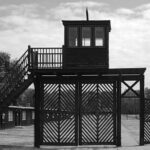
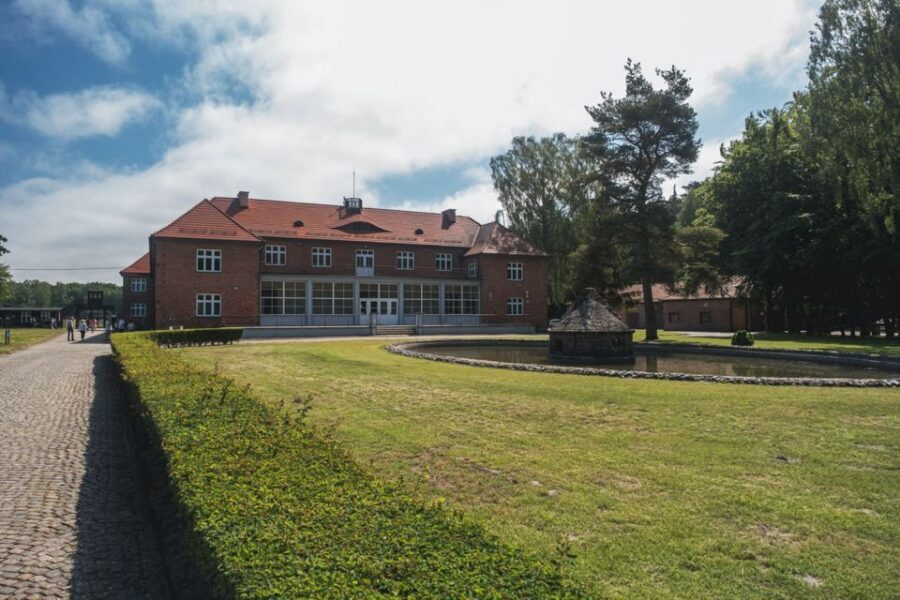
- Commander’s Villa, Then the Gas Chambers and Crematorium
- Pomerania Context and the Victims’ Monument
- The Timing Reality: About 5 Hours, Mostly Guided
- Price and Value: What You’re Actually Paying For
- Who This Tour Is Best For (And Who Should Rethink It)
- Tips Before You Go: What to Pack and What to Leave
- Should You Book This Stutthof Regular Tour?
- FAQ
- Where does pickup happen?
- How long is the tour?
- How much of the time is spent at the museum?
- Is the guide available in English?
- What’s included in the price?
- Can I bring a large bag or luggage?
- Is this tour wheelchair accessible?
- Are there restrictions on clothing and smoking?
- What age is this tour suitable for?
- Is free cancellation available?
Key Things That Make This Tour Worth Your Time
- Guided museum time in English (so you’re not piecing it together on your own)
- Door-to-door feel with pickup in Gdańsk (and Sopot as an option)
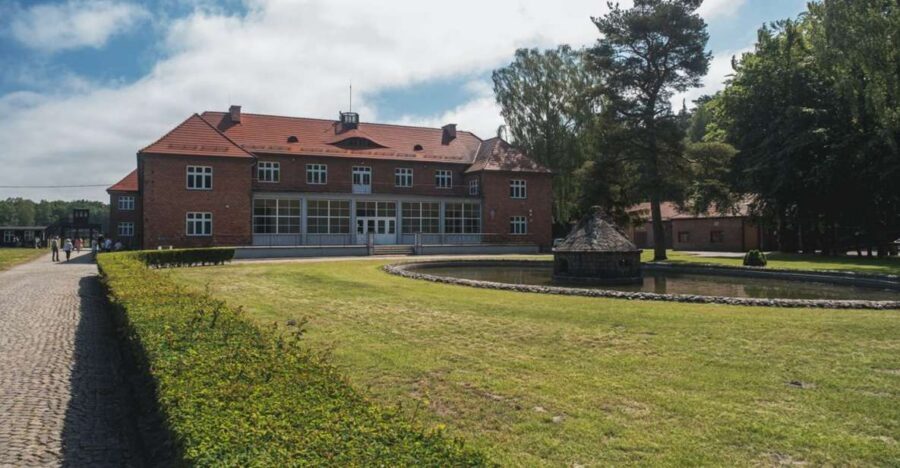
- You see the main physical sites, including the commander’s villa, gas chambers, and crematorium
- Context beyond the camp fence: persecution and occupation of Pomerania is part of the story
- Pacing that fits a half-day: about 5 hours total, with museum time taking up to about 2.5 hours
Why Stutthof Hits Harder Than Most WW2 Sites
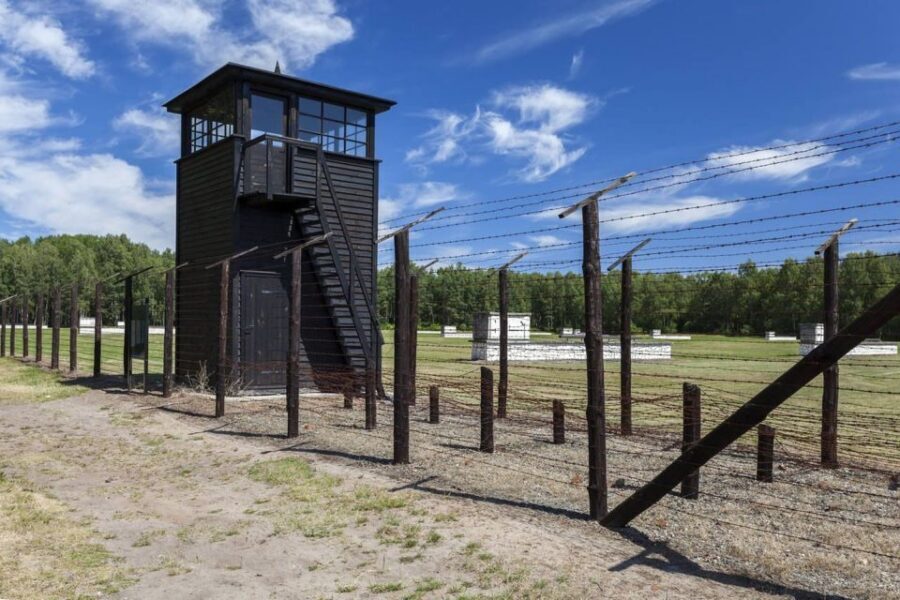
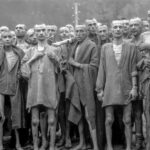
Stutthof wasn’t a short, flash-in-the-pan camp. It was the first and longest operating Nazi concentration camp in Poland, which matters because the place holds a long timeline of decisions, suffering, and systematic murder. Seeing it with a guide helps you connect those phases instead of treating the grounds like a single, sad snapshot.
What makes this tour especially important is that it doesn’t stop at “this happened.” The route moves through memorial spaces and designated sites, while the guide’s storytelling keeps returning to victims and how persecution spread through the region. That human focus is part of why people come away shaken but grateful they went.
Other Stutthof Concentration Camp tours we've reviewed

Gdańsk Pickup and the Smooth Minibus Ride to Sztutowo
The day starts with pickup from your hotel area in Gdańsk (and Sopot is offered as a pickup option). You ride in an air-conditioned minibus with an English-speaking driver, and the drive is roughly an hour each way.
That transfer is more than a commute. A good driver will help you place the region in your head—what you’re passing through and what the surrounding area meant during WW2. In the feedback I read, drivers like Simon and Chris were often highlighted for staying friendly and conversational while still sharing local context.
Practical note: the tour runs about 5 hours total, so you’re not planning a full day of sightseeing on top of this. Think of it like a focused half-day that you’ll remember for a long time.
Memorial Museum First: How the Visit Gets Structured
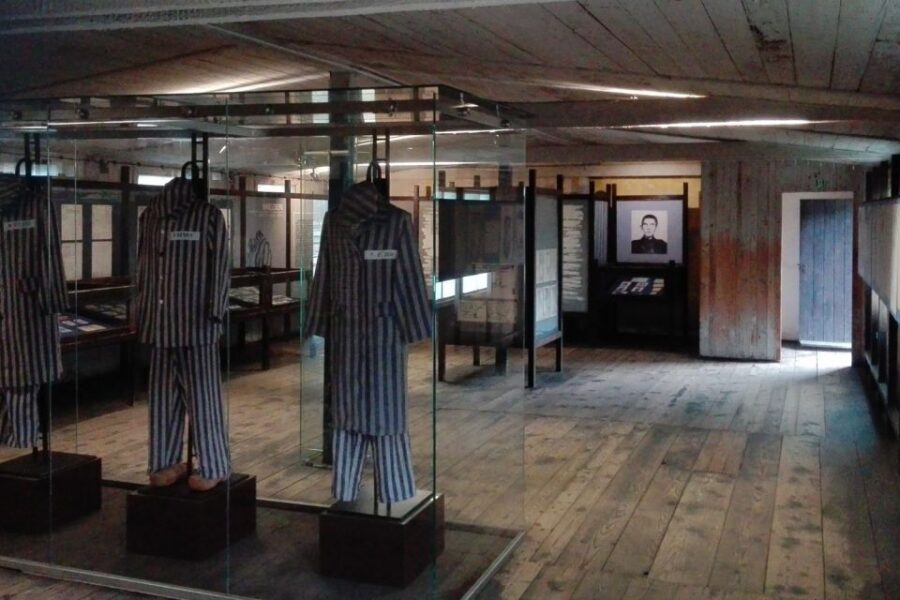
Once you arrive, you meet your guide and begin with the Stutthof Memorial Museum. The guided museum portion is around 2 to 2.5 hours, which is a sweet spot for a site this intense: long enough to make connections, not so long that you feel completely fried.
The museum visit is where you learn how the camp functioned and how the Nazi system expanded in this part of Pomerania. Even if you’ve read about the era, having a live guide helps you translate what you’re seeing—documents, rooms, exhibits—into a clearer narrative.
This is also where the tour earns its “regular tour” label. It’s not trying to overload you with every possible detail. Instead, it chooses core stops that let you understand the broader story while staying on a timeline the site can support.
Commander’s Villa, Then the Gas Chambers and Crematorium
After the museum, the route moves to the commander’s villa, then continues to the area tied to mass murder: gas chambers and crematorium.
These parts of the tour are the emotional center. The guide’s job here is hard: explain what happened without turning the site into a shock-ride. When the visit is handled well, you don’t just see buildings—you grasp what the machinery of the camp was designed to do.
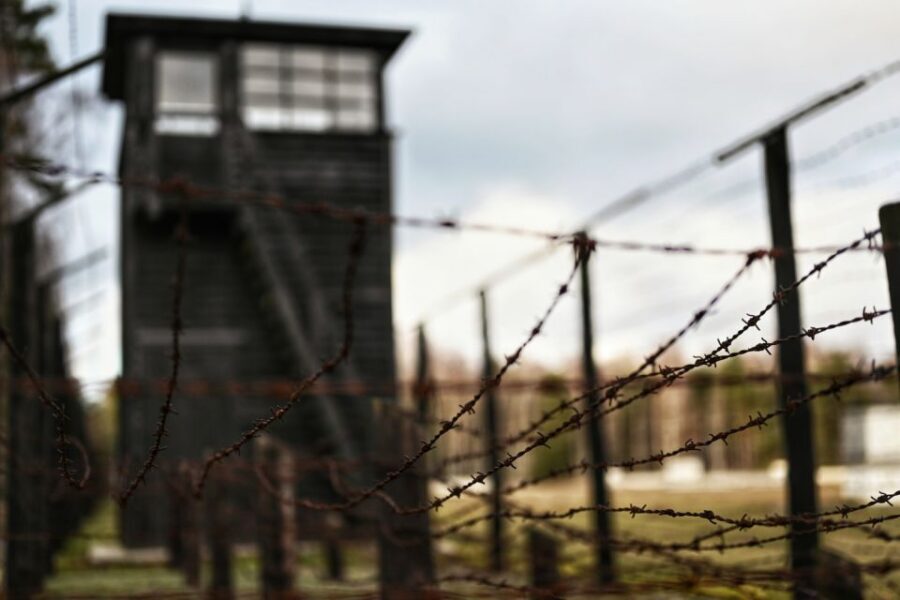
Be prepared for the weight of it. This isn’t a “take a few photos and move on” stop. You’ll likely feel a strong shift in how you walk through the spaces—slower steps, longer pauses, and a different kind of silence.
If you’re someone who needs time to process, it helps to understand the tour’s structure ahead of time: you’re not wandering freely for hours. You’re following a guided route built around key sites.
Pomerania Context and the Victims’ Monument
One reason I think this tour feels more meaningful than a basic ticketed visit is that it doesn’t isolate Stutthof from the world around it. You’ll get help understanding the persecution and occupation of Pomerania, and how the camp fit into that broader landscape of control and terror.
You also stop to pay your respects at the camp victims’ monument. This is one of those moments where the tour’s format works in your favor: it gives you a designated place to pause, reflect, and treat the site with the seriousness it deserves.
And if you’re visiting from farther away, this is also where the “first and longest operating” point becomes real. The guide connects the camp’s timeline to the region’s suffering, so you leave with more than a list of locations.






The Timing Reality: About 5 Hours, Mostly Guided

This experience runs about 5 hours including travel time. The minibus ride is about 1 hour each way, and the guided museum portion takes up the bulk of your on-site time (up to about 2.5 hours, depending on the exact running of the extended version).
That timing is good for many people because it’s manageable: you can still have dinner in Gdańsk after. But it also means you’re unlikely to treat this like a slow, self-guided walk through every corner.
A couple practical ideas if you want the best experience:
- Wear comfortable shoes. The grounds involve walking, and you’ll be on your feet longer than you expect from a “regular” tour.
- Bring a jacket if it’s cloudy and chilly. Coastal Poland weather can feel damp and cool even when you’re not expecting it.
Also, the tour includes skipping the ticket line, but it still moves with the rhythm of a planned group visit.
Price and Value: What You’re Actually Paying For
At $128 per person, this isn’t a budget add-on—but it’s also not overpriced when you look at what’s included.
You’re paying for:
- Hotel pickup and drop-off
- Air-conditioned transport via an English-speaking driver
- Entrance fees and parking
- An English-speaking guide specifically for the museum visit
- Insurance
The value here is the combination. You’re not just buying access to the camp. You’re buying a guided interpretation plus logistics that remove the need to figure out transport on your own.
If you were trying to do this independently, you’d still need transport out to Stutthowo plus museum guidance (or at least a very solid plan to read and interpret everything on-site). This tour bundles that together so you can focus on the visit.
For me, the main value question is this: do you want someone to guide you through the hardest, most confusing parts? If the answer is yes, the price makes sense.
Who This Tour Is Best For (And Who Should Rethink It)
This tour is labeled as not recommended for children under 13. Beyond that age guidance, consider your own comfort level with intense subject matter. Stutthof includes sites tied to mass murder, and the tone is somber for a reason.
This is a strong fit for you if:
- You want a structured, guided explanation rather than a solo wander
- You appreciate historical context that connects the camp to the region of Pomerania
- You’re ready for a serious experience that may feel physically and emotionally exhausting
It may be a tougher fit if:
- You dislike guided pacing and prefer open-ended exploration
- You need lots of personal quiet time without a set route (the tour is built around key stops, not free roaming)
Tips Before You Go: What to Pack and What to Leave
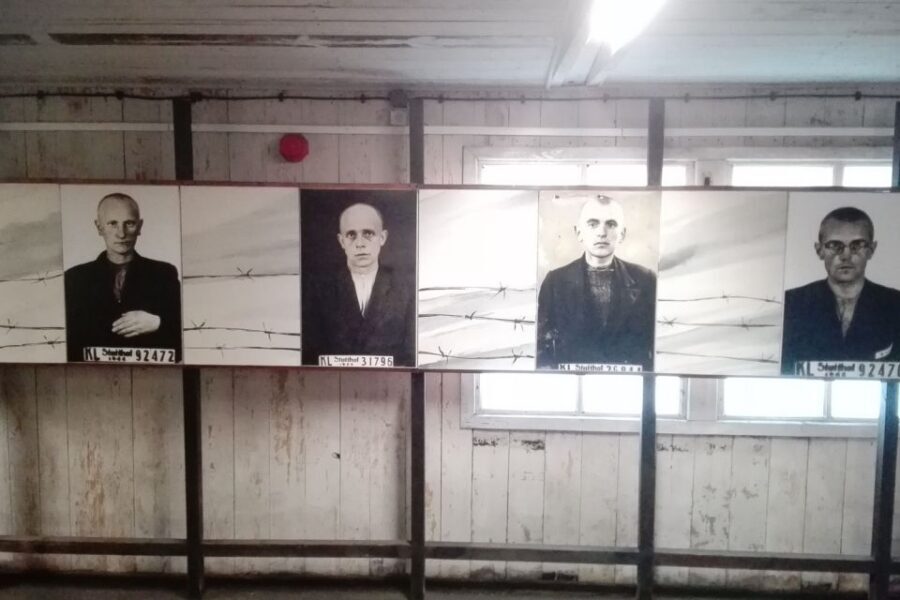
This is not a site where you dress like you’re heading to dinner.
What to bring:
- Comfortable shoes (walking shoes, not dress shoes)
- If the weather looks cold: an extra jacket
Bag rules:
- You can carry an umbrella or extra layers, but there’s a size limit for what you bring into museum grounds: 30 x 20 x 10 cm.
- No luggage or large bags are allowed.
Dress code:
- No sleeveless shirts.
And of course:
- No smoking.
If you want the day to feel smoother, travel light. You’ll spend more time thinking about the visit instead of dealing with bag handling.
Should You Book This Stutthof Regular Tour?
I’d book if you want the Stutthof experience to be guided, structured, and contextual, with hotel pickup, air-conditioned transport, and an English-led museum visit that connects key sites into one understandable story. It’s also a good choice if you value the practical bundle: entrance fees, parking, and skip-the-ticket-line are all taken care of.
I’d hesitate only if you’re highly sensitive to heavy material, you’re not comfortable with a set route, or you’d rather spend a long time moving at your own pace without guidance.
Bottom line: if you’re in the Gdańsk area and you care about understanding what happened in this camp, this tour is a solid use of your half-day.
FAQ
Where does pickup happen?
Pickup is available from any hotel in Gdańsk, and there are also two pickup location options: Gdańsk and Sopot.
How long is the tour?
The total duration is about 5 hours, including travel time and the guided visit.
How much of the time is spent at the museum?
The guided portion at the Stutthof Museum is about 2.25 hours (and the overall tour notes the museum time can take up to 2.5 hours).
Is the guide available in English?
Yes. The live tour guide is English, and you also have an English-speaking driver.
What’s included in the price?
Included: hotel pickup and drop-off, the English-speaking guide for the museum, the English-speaking driver, all entrance and parking fees, and insurance. Food and drinks are not included.
Can I bring a large bag or luggage?
No. Luggage or large bags are not allowed, and the maximum bag size for museum grounds is 30 x 20 x 10 cm.
Is this tour wheelchair accessible?
Yes, it’s listed as wheelchair accessible.
Are there restrictions on clothing and smoking?
Smoking is not allowed, and sleeveless shirts are not allowed.
What age is this tour suitable for?
It’s not recommended for children under 13.
Is free cancellation available?
Yes. You can cancel up to 24 hours in advance for a full refund.