REVIEW · GDANSK
Gdansk: City Sightseeing Tour by Golf Cart/Buggy Guided Tour
Book on GetYourGuide →Operated by Top City Tour Gdańsk · Bookable on GetYourGuide
Gdansk goes by fast on purpose. This golf cart sightseeing tour strings together the city’s big-name sights in about 1–2 hours, so you can quickly understand where things are and what matters. I especially love the way St. Mary’s Basilica (the world’s largest red-brick church) anchors the Old Town, and I like how the route keeps moving toward the waterfront and the historic port area. One thing to consider: the stop times are short, so if you want long, inside-time at each place, you’ll likely need to come back.
The tour is a strong pick when you want live commentary with room for questions. You’ll cover a lot of ground without battling narrow streets and crowds, and you’ll get context that makes later visits make more sense. The main drawback is that the format is built for quick stops, so plan to take photos fast and save deep sightseeing for afterward.
In This Review
- Key Things You’ll Love About This Gdansk Golf Cart Tour
- Gdansk by golf cart: the quickest way to orient
- Price and time: what $40 buys you (and what it doesn’t)
- Pickup location and the route flow from Śródmieście to Neptune’s Fountain
- Stop-by-stop: what you’ll see and why each stop matters
- 1) Golden Gate, Gdansk
- 2) St. Mary’s Church (St. Mary’s Basilica)
- 3) Crane National Maritime Museum
- 4) Gdansk Shipyard
- 5) European Solidarity Centre
- 6) St. Bridget’s Church
- 7) Amber Museum, Gdansk
- 8) Gdańsk Carousel
- 9) Hala Targowa Kupców Dominikańskich
- 10) Defenders of the Polish Post office
- 11) Finish at Neptune’s Fountain
- The big themes you’ll get from the route (beyond the names)
- Guides, language options, and the value of live Q&A
- Comfort, weather, and how to get the most out of a short stop tour
- Who this tour is best for (and who should consider something else)
- Should you book this Gdansk golf cart sightseeing tour?
- FAQ
- How long is the Gdansk city sightseeing tour by golf cart?
- What is the price per person?
- Where does the tour pick up?
- Where does the tour end?
- What’s included in the tour price?
- Is there a live guide, and what languages are available?
- Does the tour run in bad weather?
- Is the tour wheelchair accessible?
- Can I skip ticket lines?
Key Things You’ll Love About This Gdansk Golf Cart Tour
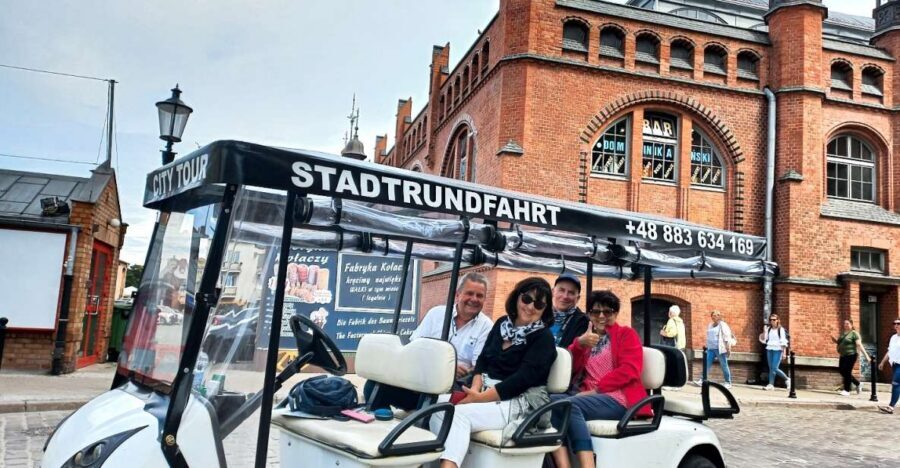
- Red-brick St. Mary’s Basilica as a centerpiece with a clear sense of why it’s so important
- Views over the Motława River port area, including the medieval-style ship and crane story
- A route that connects the Old Town with 20th-century turning points, especially around Solidarity themes
- Amber shows up more than once, including the Amber Museum stop
- A question-friendly, live guide who shares what to notice while you’re right there
- Convenient hotel-center pickup and drop-off options, so you spend less time figuring logistics
Gdansk by golf cart: the quickest way to orient
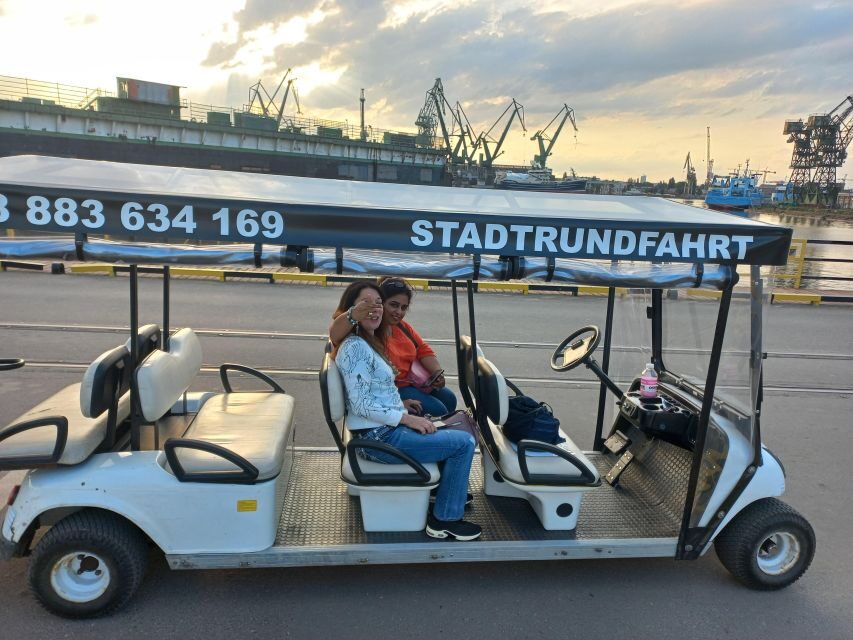
Gdansk is one of those cities where the streets are charming, but the distances add up if you’re trying to see everything in a day. This tour is built to solve that problem. You get a comfortable ride while a live guide points out what you’ll miss if you just wander—especially the connections between buildings, river, and political history.
I like that the experience feels practical, not just scenic. You’re not stuck in one zone. Instead, you get pulled through the Old Town toward the Crane National Maritime Museum area, then onward through major cultural stops, and finally out at Neptune’s Fountain, which is a great “you’re oriented now” finish.
Other golf cart and buggy tours in Gdansk


Price and time: what $40 buys you (and what it doesn’t)

At $40 per person for 1–2 hours, you’re paying for speed, convenience, and narration. You’re not paying for a long museum day. This matters because most stops are designed for quick viewing and explanation rather than extended time inside.
Think of it like a guided “map you can feel.” You’ll get enough detail to decide what deserves a follow-up visit on your own—like whether you want to spend extra time at St. Mary’s or build a longer plan around the port and shipyard story. If you prefer to linger everywhere, you may feel the clock.
Pickup location and the route flow from Śródmieście to Neptune’s Fountain
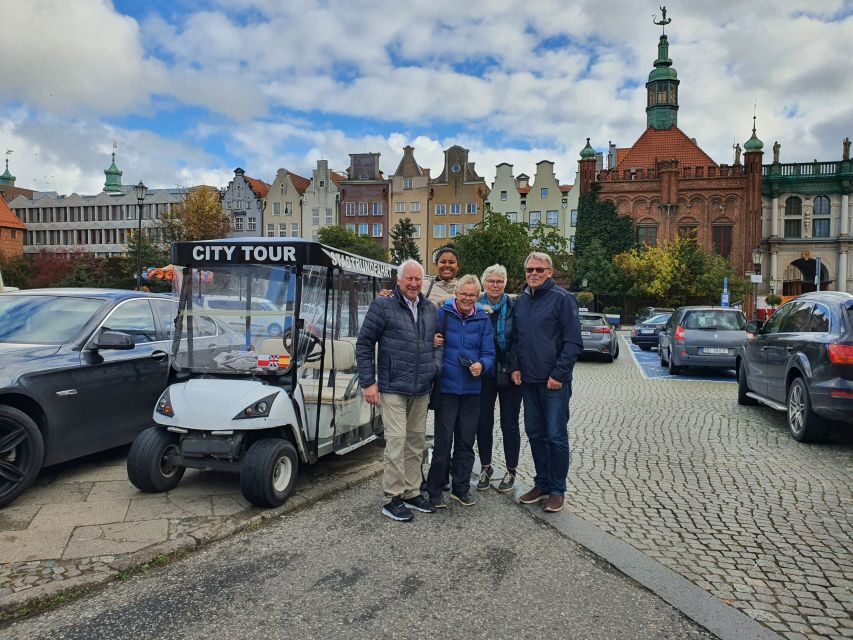
The tour starts with pickup in Śródmieście. Pickup is available from any spot you choose in the historical city center of Gdansk within 2 kilometers of Neptune’s Fountain, and you should wait at your pickup point for about 10 minutes before the tour’s scheduled start.
The finish is Neptune’s Fountain, which is convenient because it sits in the heart of the sights you’ll likely want to revisit. It’s also a helpful “end point” if you plan dinner after—easy to walk, easy to grab a cab, and easy to continue exploring without getting lost.
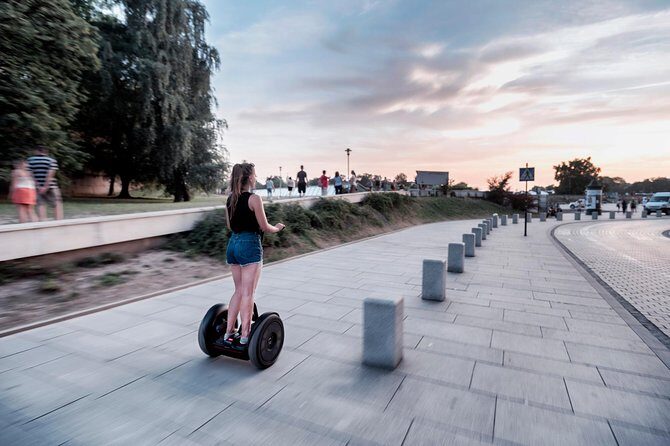
The carts make sense here: you’re moving through areas where pedestrians dominate. You’ll still be outside at each stop, but the ride between points reduces fatigue, especially if you’re traveling with older folks or you just don’t want your legs to write the itinerary.
Stop-by-stop: what you’ll see and why each stop matters
Below is the tour in the order you’ll experience it, plus what to pay attention to at each point. The guide will handle the storytelling, but you can make your photos and observations better with a few focus cues.
1) Golden Gate, Gdansk
You’ll spend a short moment at the Golden Gate. Even if you’ve only seen it in photos, standing nearby helps you understand how central it is to Old Town framing. It’s the kind of landmark that sets the tone: fortified, symbolic, and clearly tied to the city’s long timeline.
If you’re the type who likes architecture details, keep an eye out for how the gate visually “anchors” the surrounding historic area. The guide’s job here is mainly to give you orientation and context before you hit the big religious and waterfront stops.
Other guided tours in Gdansk


2) St. Mary’s Church (St. Mary’s Basilica)
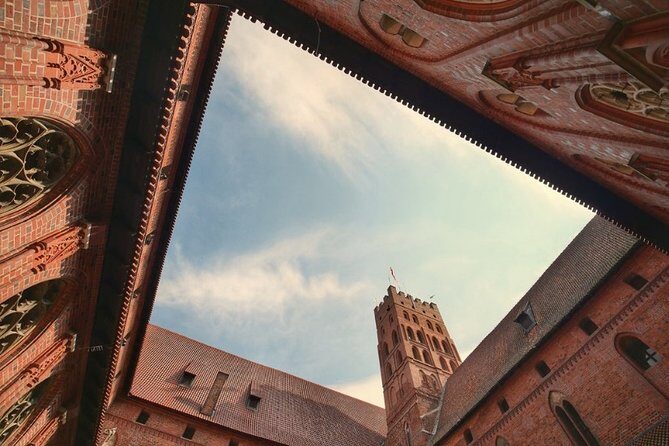
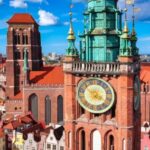
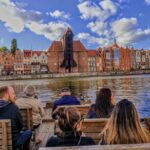
Next comes the star stop: St. Mary’s Church. This is where the tour earns its reputation. You’ll be looking at the red-brick basilica known for being the world’s largest church built in red bricks. That’s not just a fun fact—red brick here communicates wealth, power, and civic pride from centuries ago.
The good part about this stop on a golf cart tour is that you don’t just hear that it’s important. You see it from the right vantage, then learn what to notice so that when you revisit later (if you choose to), you’ll actually be looking at the details rather than just admiring the scale.
3) Crane National Maritime Museum
This stop points your attention toward the city’s waterfront logic. You’ll hear about the historic port on the Motława River, and you’ll get a sense for maritime trade and shipbuilding as central to Gdansk’s identity.
The highlight you should remember here is the Great Harbor Crane of medieval times theme. Even if you don’t spend long inside, the crane and the river-side setting help you picture how goods moved through the city—and why this area still feels like the engine room of Gdansk.
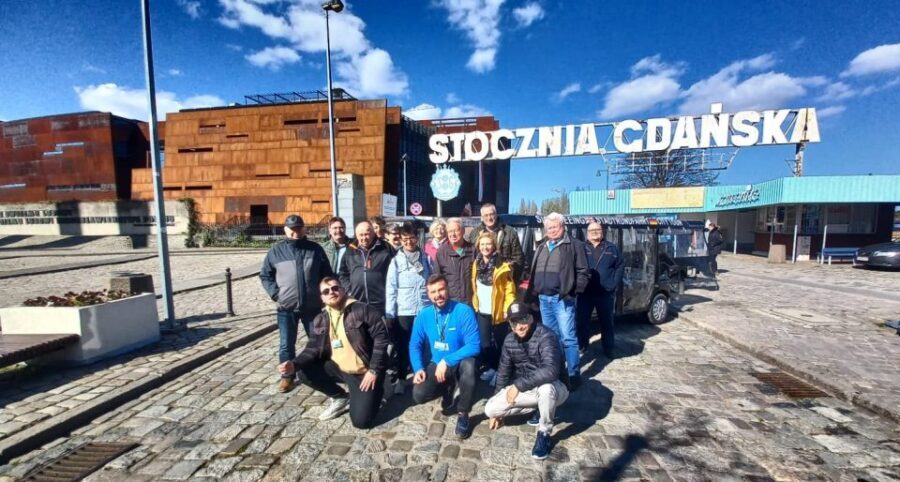
4) Gdansk Shipyard
Right after the port-crane storytelling, the shipyard stop continues the same idea: Gdansk isn’t just an old-town postcard. It’s a working-city history story tied to labor, engineering, and industry.
Because the cart route keeps things moving, you get the “why” without getting stuck in one area. If you’re planning a second day, this stop helps you decide whether you want a deeper look later at maritime and industrial sites.
5) European Solidarity Centre
This is the turning-point stop for modern history. The tour explicitly connects to the place where the fall of the socialist camp began, tied to the Solidarity movement theme.
In practical terms, this matters because Gdansk’s political story isn’t separate from the rest of the city. The buildings and institutions you’re seeing are connected to real events and real people who shaped the region. A quick guided explanation can prevent the common mistake of seeing these sites as just “another museum label.” With the context, you’ll recognize the significance.
6) St. Bridget’s Church
Next, you’ll visit St. Bridget’s Church. This stop continues the mix of architecture and identity. Even on a short viewing window, the guide can point out what makes this church distinctive compared with the bigger red-brick centerpiece you saw earlier.
If you care about religious architecture, use this stop to compare styles and material choices. It’s a good checkpoint in the middle of the route.
7) Amber Museum, Gdansk
Then comes the Amber Museum. Amber is big in this region, and this stop makes it concrete rather than abstract. You’ll also get a chance to connect amber to the broader craft and trading identity that belongs in a port city.
It’s also a nice “change of pace” stop. After cranes and political centers, a museum-focused stop gives you something different to think about visually and culturally.
8) Gdańsk Carousel
This is a fun, more lighthearted pause: Gdańsk Carousel. It helps break the pattern of heavy historical stops. It’s also a reminder that Gdansk is lived-in now, not only remembered.
Short stops like this work well on the cart tour because the guide still gives you a reason to look, not just a photo opportunity.
9) Hala Targowa Kupców Dominikańskich
Next is Hala Targowa Kupców Dominikańskich. A market stop is valuable because it shows you how daily life sits inside a historic city footprint.
Even if you don’t shop, market halls communicate the city’s rhythm. And they set you up well if you’re hungry later—this is where your practical travel brain starts thinking about what to eat next.
10) Defenders of the Polish Post office
This stop centers on Defenders of the Polish Post office. Again, this ties into the tour’s modern-history through-line. It’s one of those memorial-type stops where a guide’s explanation matters a lot because the meaning isn’t always obvious from distance or signage alone.
If you’re the kind of visitor who wants to understand what a monument or memorial is referring to, ask your guide for the key timeline points during this stop.
11) Finish at Neptune’s Fountain
Finally, the tour ends at Neptune’s Fountain. This is a smart finish because you’re back in a highly walkable core area. It gives you an easy “tap out” point for the tour, and it’s a natural place to start your next plan—whether that’s lingering in the Old Town or heading toward a specific sight you want to revisit.
The big themes you’ll get from the route (beyond the names)
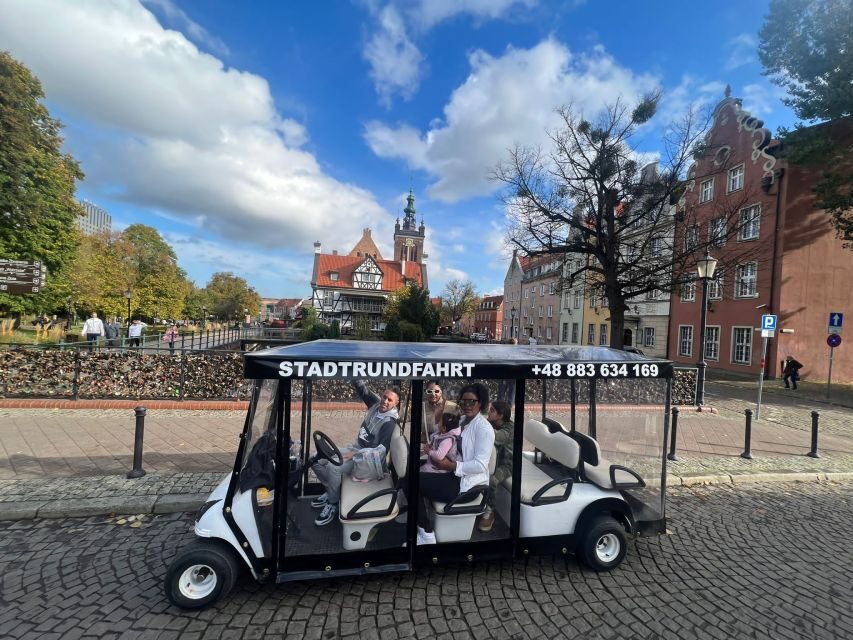
What makes this tour worth it isn’t the list of stops. It’s how they connect.
You’ll be guided through a 1,000-year story of the city—then you’ll see how that long timeline ties into the waterfront, maritime trade, and the political shocks of the 20th century. The route moves from symbols of civic and religious power (like St. Mary’s Basilica) to industry and harbor identity (like the Motława River crane and shipyard area), and then to labor and political change themes at the European Solidarity Centre and the Polish Post office defenders stop.
That flow is great for planning your next steps. By the end, you’ll usually know which direction you want to go next: back toward the historic center for architecture, toward the water for maritime story, or into museums and memorials if that’s your focus.
Guides, language options, and the value of live Q&A
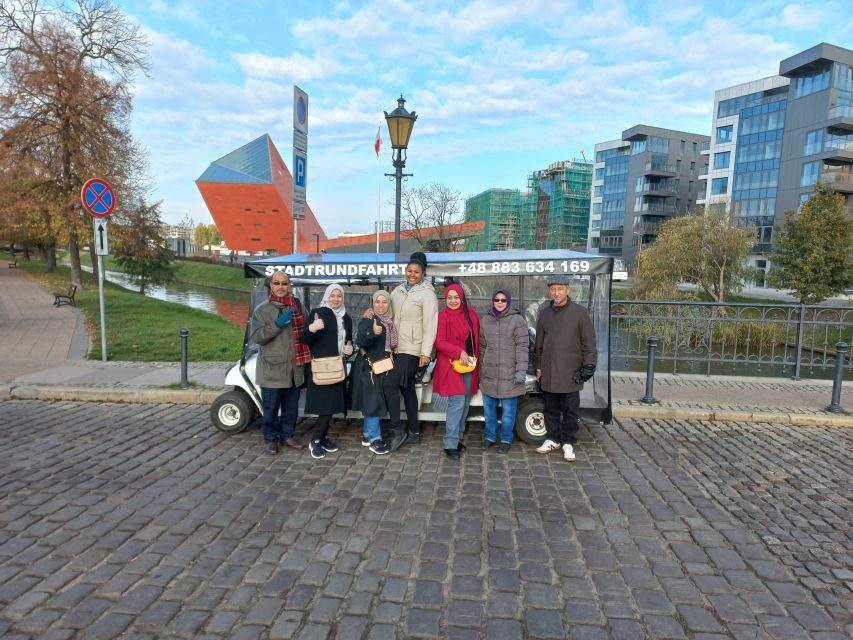
This is a live guided tour. Guides speak English, Polish, Ukrainian, German, and Spanish, and the format is built so you can ask questions as you go. That’s not a small thing. In a city like Gdansk—where layers of history overlap—questions help you avoid misunderstandings and spot details you’d otherwise miss.
From the experience’s reputation, the guides tend to be energetic about local context. Names you may encounter include Maryana, Michael, Michal, Noris, and Mariana Butchak. What’s consistent in that praise is not just facts, but the way they turn those facts into an easy, story-based walk-through—plus helpful extras like pointing you toward good places to eat after the tour.
Comfort, weather, and how to get the most out of a short stop tour
The tour runs rain or shine, so dress like Gdansk is going to do whatever it wants. Bring a jacket you can layer and shoes that don’t punish you on slick cobblestones.
On a practical level, golf carts reduce the walking between points, but you’ll still be standing outside at each stop for a few minutes. So your best strategy is simple:
- have your camera ready before the cart stops
- aim to listen first, then shoot
- decide quickly which sight you want to revisit more slowly later
One extra consideration: there’s feedback that for rides closer to the longer end, a quick restroom plan can matter. Nothing dramatic, just be smart—do a bathroom stop before you meet the cart if you can.
Who this tour is best for (and who should consider something else)
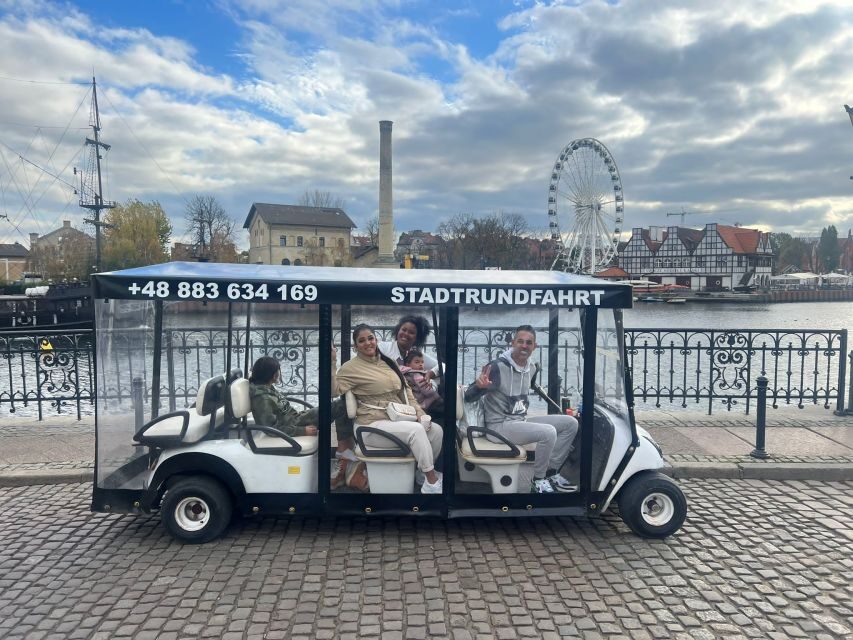
This tour is ideal if you want:
- an efficient introduction to Gdansk in a day
- strong orientation for later independent exploring
- a history-focused route with context at the stops you’ll likely photograph
It’s also a good fit for families and mixed-age groups because you’re not asking everyone to walk a long circuit.
If you’re the type who loves spending 45–90 minutes inside each major attraction, you might find the short stop times limiting. In that case, treat this as your prelude tour, then pick one or two places from the route for a longer second visit.
Should you book this Gdansk golf cart sightseeing tour?
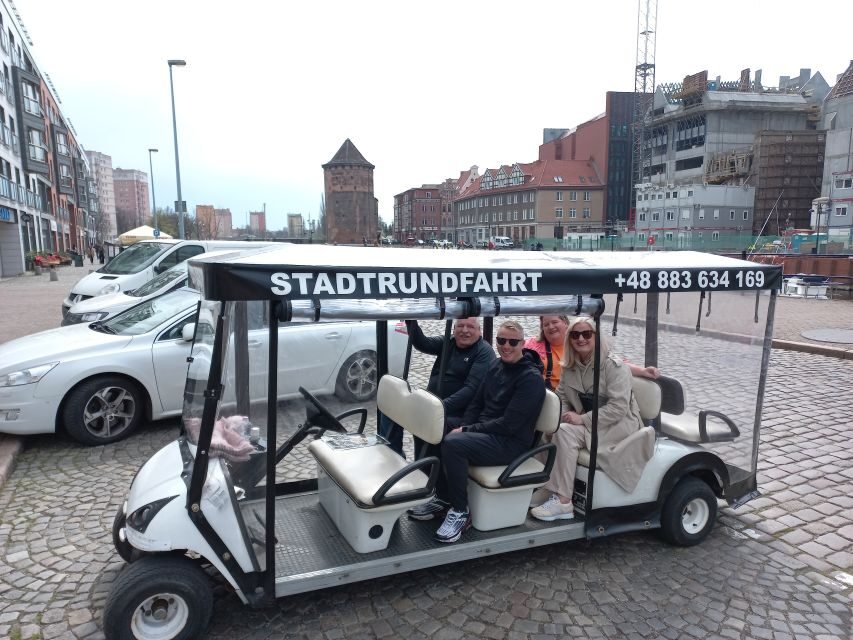
Yes, I’d book it if you want a fast, structured way to see major Gdansk highlights with a live guide and hotel-center pickup options. The $40 price is easier to justify when you add up what you get in one loop: red-brick St. Mary’s context, waterfront port and medieval crane themes, Solidarity-era turning points, amber culture, and a finish at Neptune’s Fountain where you can keep exploring.
You shouldn’t book it only if your top travel style is slow museum time at every stop. For most visitors who want both photos and understanding, this works like a great first chapter.
FAQ
How long is the Gdansk city sightseeing tour by golf cart?
The tour duration is listed as 1 to 2 hours, depending on the starting time you book.
What is the price per person?
The price is $40 per person.
Where does the tour pick up?
Pickup is available in the historical city center of Gdansk (within 2 kilometers of Neptune’s Fountain). The starting pickup area is in Śródmieście.
Where does the tour end?
The tour finishes at Neptune’s Fountain.
What’s included in the tour price?
Hotel pickup and/or drop-off is included for hotels in Gdansk City Center.
Is there a live guide, and what languages are available?
Yes, it’s a live guided tour. Languages offered include English, Polish, Ukrainian, German, and Spanish.
Does the tour run in bad weather?
Yes, it runs rain or shine.
Is the tour wheelchair accessible?
Yes, the tour is listed as wheelchair accessible.
Can I skip ticket lines?
The tour includes skip-the-ticket-line service.