REVIEW · GDANSK
Gdansk: Private Communism Tour with Solidarity Center Museum
Book on GetYourGuide →Operated by Rosotravel Poland · Bookable on GetYourGuide
Communism in Gdańsk has receipts. I love how this tour turns big, abstract Cold War themes into walkable places, starting at the European Solidarity Centre and moving out into the city. With skip-the-line entry and a licensed history guide, you spend less time queuing and more time understanding why the Solidarity story mattered beyond Poland.
My other favorite part is the on-the-ground route: Sala BHP, the shipyard resistance sites, and monuments tied to the Solidarity Movement. You get a clear timeline from the 1980 strikes to the broader change across Eastern Europe, with room for your guide to explain names like Lech Walesa and Anna Walentynowicz in context. One thing to plan around: Gdansk Shipyard (Stocznia Gdańsk) is closed on Saturdays and Sundays, and pickup is only offered from the Gdańsk Old Town area within about 1.5 km of the meeting point.
In This Review
- Key things you’ll remember
- How this private tour teaches the Solidarity story (without a lecture tone)
- Meeting point and Old Town pickup: start fast, don’t waste the morning
- European Solidarity Centre: where the 1980 revolution becomes understandable
- The “communist” framing, and why it can actually help you
- Solidarity Square and the 1970 tragedy: how the past presses into the present
- Sala BHP: the 31 August 1980 agreement site
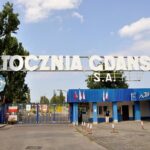
- Stocznia Gdańsk (Gdansk Shipyard): where civil resistance started
- Timing, what fits in 4 hours, and how to get value from it
- Price and value: is $184 for this private setup fair?
- The guide experience: clarity, language options, and real engagement
- Who should book this Solidarity-focused tour
- Should you book this tour?
- FAQ
- How long is the tour?
- How much does it cost?
- Where do we meet the guide?
- Is hotel pickup included?
- What’s included with the tour ticket?
- Do I need to wait in line at the museum?
- Is the guide available in multiple languages?
- Is Gdansk Shipyard open every day?
Key things you’ll remember
- Skip-the-line access to the European Solidarity Centre so the day stays on schedule
- Original postulate documents and historic photos that explain the 1980 demands in plain language
- Sala BHP visit at the historic signing site tied to 31 August 1980
- Shipyard walk-and-see stops that connect Solidarity Square and 1970 workers’ tragedy to 1980
- Private guide focus with English, German, Polish, or Russian for real Q&A
- A Polish vodka shot included on the 4-hour option (optional in spirit, but it is part of the tour)
How this private tour teaches the Solidarity story (without a lecture tone)
This isn’t a museum-only outing. It’s built like a story you can follow with your feet. You start with modern, well-organized interpretation at the European Solidarity Centre, then you move to the places where the conflict, the demands, and the consequences show up in stone, street layout, and shipyard history.
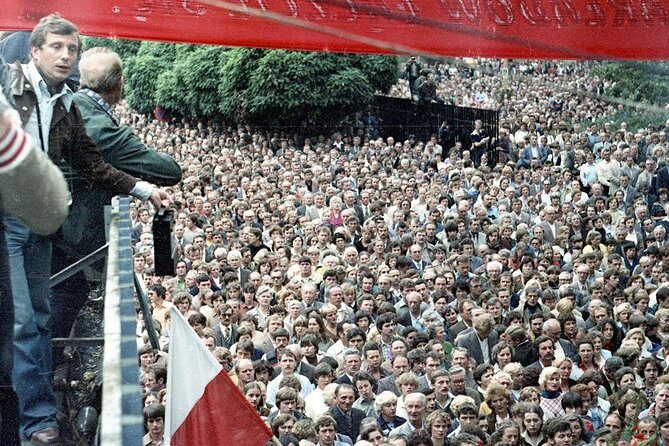
For me, the best tours in Eastern Europe do one simple thing: they connect politics to everyday people. Here, you’ll see how a workers’ movement grew from strikes and written demands into a democratic breakthrough. That matters because Solidarity isn’t only Polish history. It’s part of the wider reshaping of the Communist Bloc.
And because it’s private, your guide can steer the pace. If you want more on the PRL system and how it functioned, you’ll have time. If you prefer names, dates, and the cause-and-effect chain from 1980 to 1989, you’ll get that too.
Other Solidarity and communism-era tours in Gdansk
Meeting point and Old Town pickup: start fast, don’t waste the morning
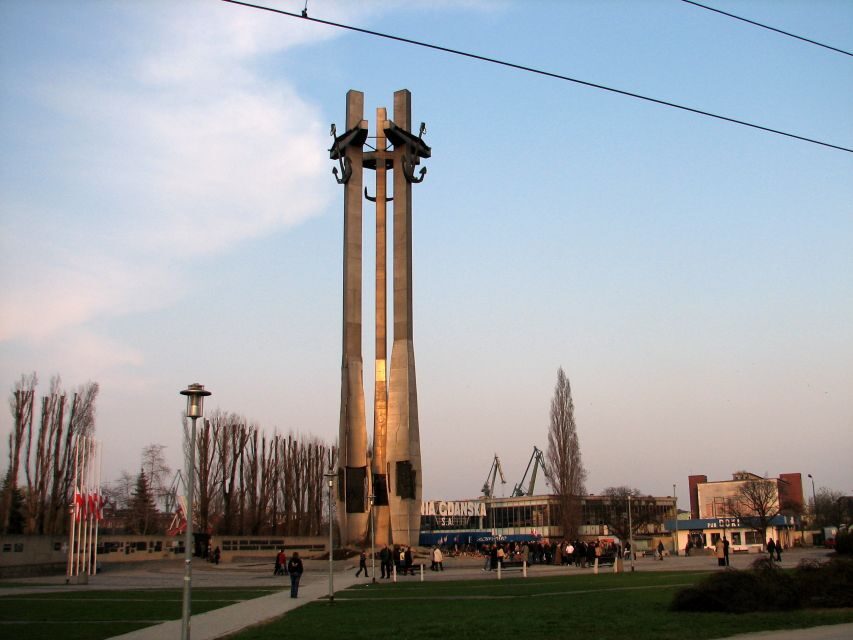
You meet your guide under the Monument to the Fallen Shipyard Workers of 1970, at Plac Solidarności, 80-001 Gdańsk. It’s a smart choice. You’re placed at a memorial tied to the 1970 workers’ tragedy, so the theme is in your face before you even start walking.
If you’re staying in Gdańsk Old Town, pickup can be arranged from your accommodation, but only within roughly 1.5 km of the meeting point. If your hotel is farther out, your route may shift, and you’ll likely meet at the main point instead. Either way, it keeps logistics simple.
One practical note: this tour includes car transport as part of the experience. That helps with energy levels, especially if you want to see shipyard areas without turning the day into a long self-guided trek.
European Solidarity Centre: where the 1980 revolution becomes understandable
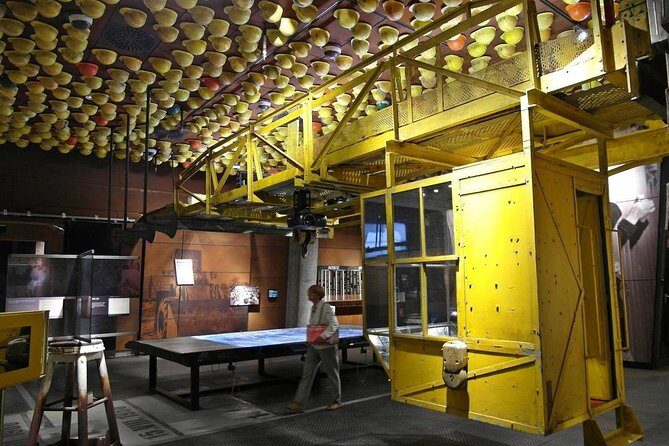
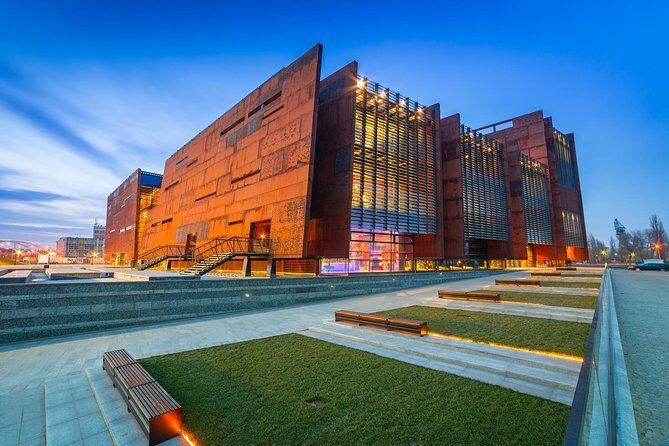
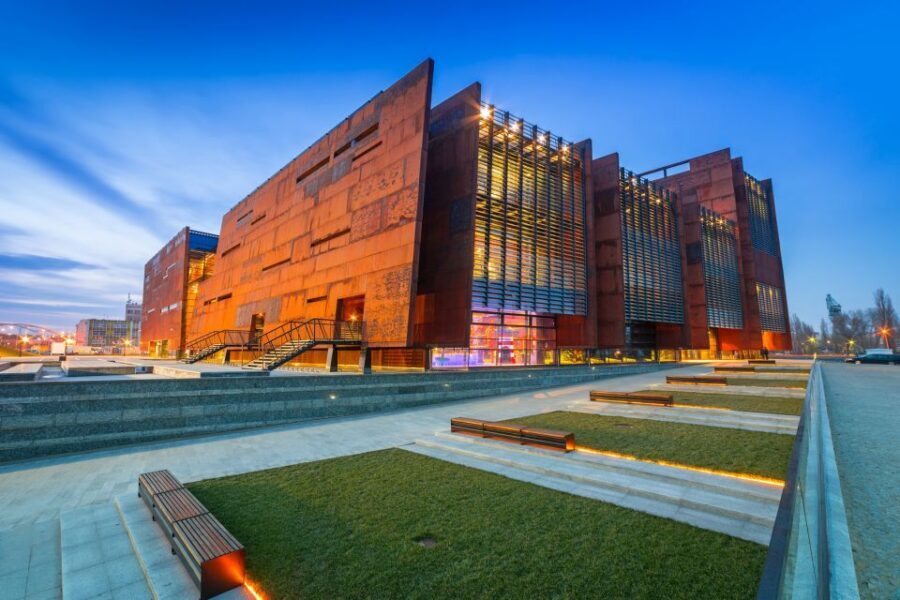
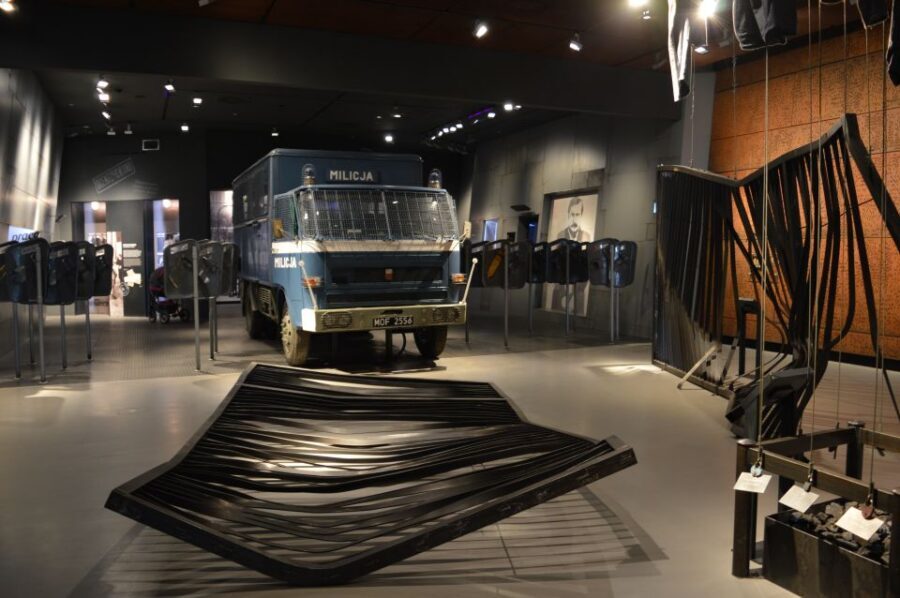
The European Solidarity Centre (ESC) is where the tour does its heavy lifting. You get skip-the-line entry, which is huge in a museum like this where crowds can eat up your time. Inside, you’ll walk through the history of Solidarity step by step, with a guide who can translate the context into something that actually sticks.
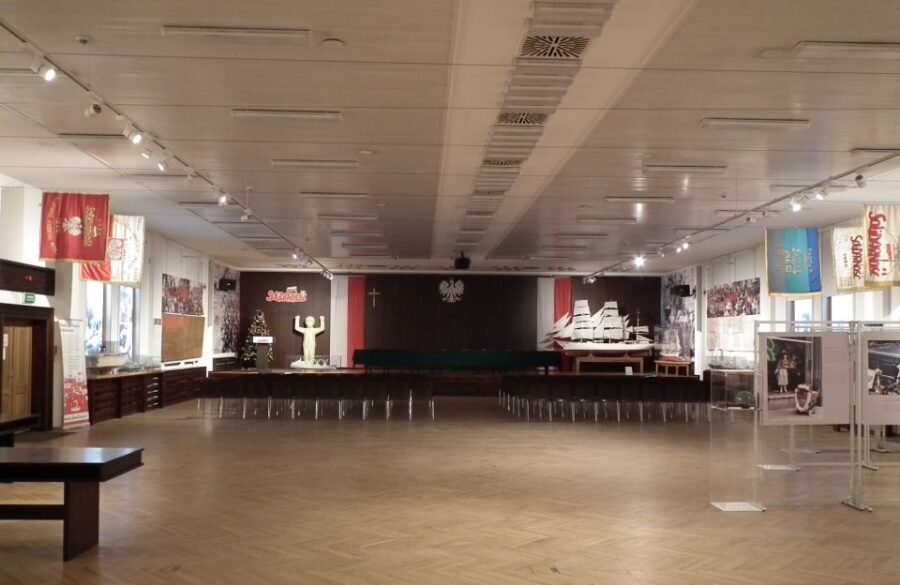
What makes the ESC visit special is that it doesn’t treat 1980 like a vague “revolution happened.” It treats it like a set of documents, negotiations, and people who made choices under pressure. You’ll see the written demands known as the Tables of 21 Postulates—original material tied to the strikers at the Lenin Shipyard, now Gdańsk Shipyard. That detail is more than a museum flex. It gives you a concrete sense of what workers asked for, not just what they protested against.
You’ll also see other documents and photographs linked to:
- the strike wave and the movement for freedom
- 1989 round table talks
- the first pluralistic election in Poland since 1947
Along the way, your guide will connect key figures—Lech Walesa and Anna Walentynowicz are specifically highlighted—to the broader arc of how Solidarity changed political reality. If you like history that’s organized around human stories, this part is satisfying.
The “communist” framing, and why it can actually help you
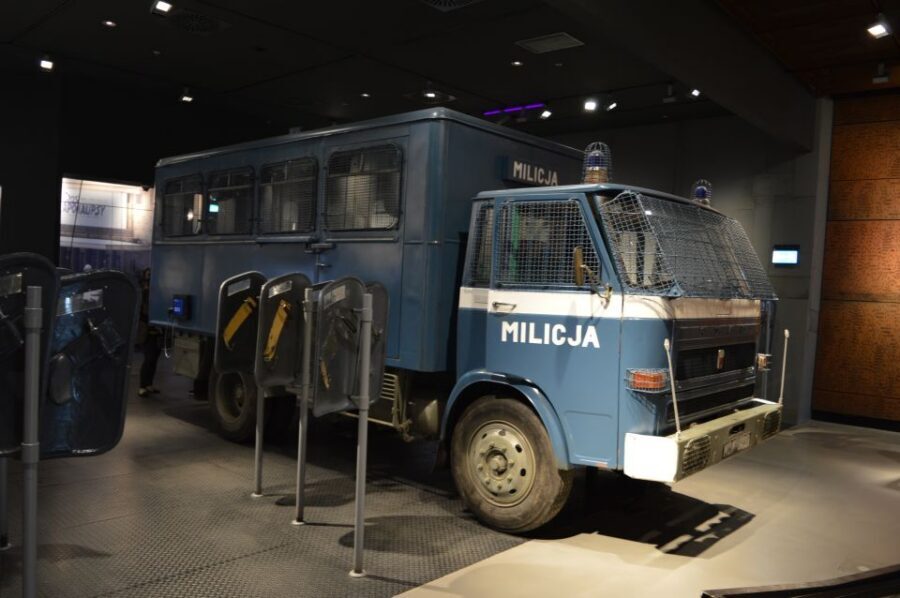
The tour is labeled as a Communist-themed experience, but the point isn’t to scare you with ideology. It’s to show how the PRL system looked from the inside, then how Solidarity pushed back and forced change.
This framing helps you avoid a common mistake: thinking the fall of the Communist Bloc was one clean event. Instead, you get a chain of events—strikes, demands, negotiations, and political openings. That’s how you understand why the legacy of Solidarity echoed through Eastern Europe.
Also, your guide is history-expert licensed, so you’re not left with empty captions. In groups, guides have been able to explain things in more than one language depending on the situation (for example, German for larger groups). That flexibility is useful if you’re traveling with friends and want the content delivered clearly, not just read aloud.
Solidarity Square and the 1970 tragedy: how the past presses into the present
In the 4-hour option, you add time outside the museum. You’ll see Solidarity Square and you’ll hear the tragic story connected to the Monument to the Fallen Shipyard Workers of 1970. This stop matters because it ties the 1980 strikes to earlier unrest at the shipyard.
If you only came for 1980, you might miss a key understanding: Solidarity didn’t appear out of nowhere. The shipyard workers had already been through serious confrontation with the system, and that history shaped the mood and momentum in 1980.
So when you look at monuments and public spaces, you’re not just looking at scenery. You’re reading a city that still carries the memory of resistance.
Other private tours in Gdansk


Sala BHP: the 31 August 1980 agreement site
One of the clearest “this is history you can point to” moments on the 4-hour route is Sala BHP, the historic site where the Gdańsk Agreement was signed on 31 August 1980.
This is where the story shifts from protest to formal outcomes. You’re not just hearing about negotiations in abstract terms—you’re standing at the location tied to the agreement process. The tour also frames Sala BHP as the Centre of worker protection of Gdańsk shipyard, which helps you understand how workers’ institutions and labor systems were entangled with power.
When a tour does this well, you walk away with more than dates. You walk away with a sense of how bargaining, documentation, and political leverage worked in the real world.
Stocznia Gdańsk (Gdansk Shipyard): where civil resistance started
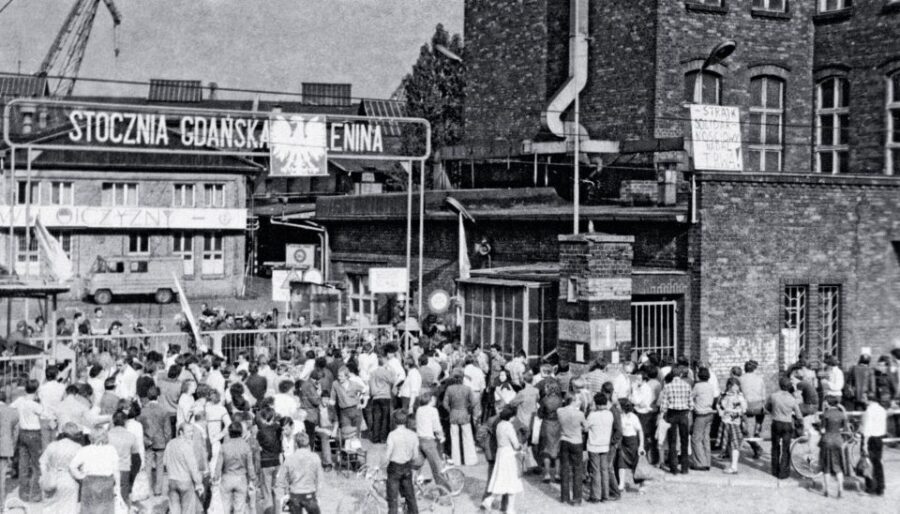
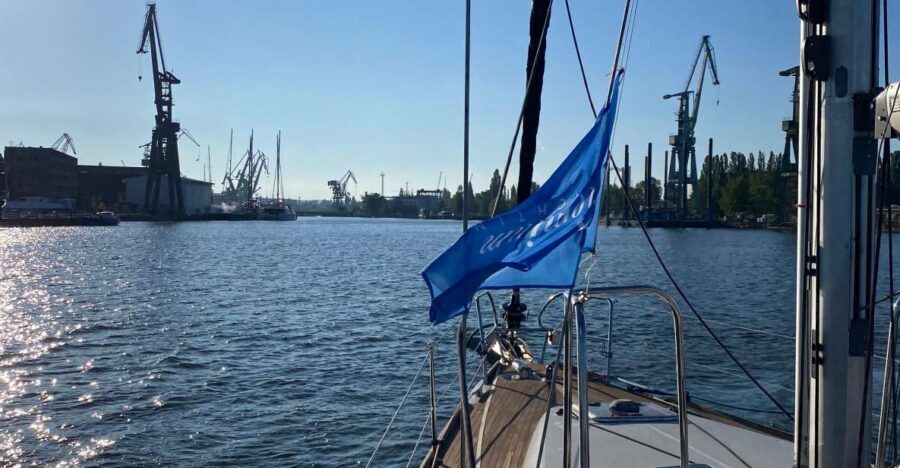
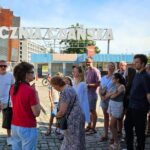
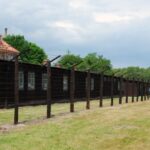
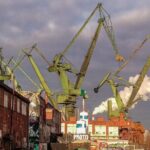
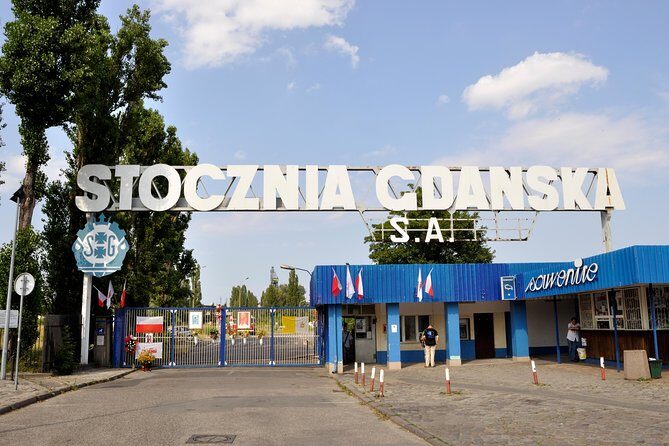
The last stop is the Gdańsk Shipyard, known as Stocznia Gdańsk. This is where the tour earns its feet-on-stone credibility. You’ll see the shipyard area tied to the uprising of 1980, when about 17,000 ship builders began civil resistance against the Communist regime.
You’ll also encounter monuments and markers connected to the Solidarity Movement. These aren’t random “commemorate history” objects. They’re part of a set of signals the city keeps repeating: this happened here, and it mattered.
There’s one scheduling reality you should respect: Gdansk Shipyard is closed on Saturdays and Sundays. If you’re planning a weekend visit, you’ll want the 4-hour option confirmed for your date so you don’t end up with a day that can’t include that final shipyard segment.
Timing, what fits in 4 hours, and how to get value from it
The 4-hour option is designed to add the shipyard and Sala BHP content beyond the museum focus. That’s great if you want the “why” plus the “where.”
Here’s what the arc typically feels like:
- You begin with the memorial-focused meeting point and head toward the ESC
- You spend time at the ESC building a timeline with documents, names, and turning points
- You then move into the city and shipyard-centered stops (Solidarity Square, the 1970 story, Sala BHP, then Stocznia Gdańsk)
To get the best value, go in with two questions you care about. For example: how did workers organize into a political force, and what made negotiations possible? If you listen with those in mind, the details in the museum will land harder.
Also, wear comfortable shoes. Shipyard areas can be uneven, and you’re adding multiple outdoor stops. This is sightseeing, not a spa day.
Price and value: is $184 for this private setup fair?
At $184 per person for the 4-hour option, the price is not “cheap,” but it can be fair value because you’re paying for private, history-expert guiding plus multiple paid elements.
Here’s what’s included in the 4-hour experience:
- hotel pickup and drop-off within the Old Town area limits
- a private Communist-themed tour
- European Solidarity Centre skip-the-line entry
- guide support specifically to explain exhibitions and context
- Sala BHP and Gdansk Shipyard entry
- car transport
- a shot of traditional Polish vodka
For many people, the big value lever is skip-the-line plus the fact that private guiding replaces guesswork. Instead of wandering exhibitions and piecing together dates, you get an organized narrative. If you’re the kind of traveler who hates feeling lost in a museum, you’ll probably feel this price is justified.
If you’re traveling solo and comparing to self-guided options, the cost will look higher. But if you’re the type who wants names, dates, and meaning turned into a coherent story, this is the kind of day where a guide earns their keep fast.
The guide experience: clarity, language options, and real engagement
You’ll have a live guide who can work in English, German, Polish, or Russian. That matters in a museum where details are dense. If you’ve ever tried reading history labels while juggling a crowd, you’ll appreciate the difference a good guide makes.
The reviews associated with this experience also point to guides who explain social context with private stories and who handle larger groups smoothly. In other words, the guide isn’t just reciting facts. You’re meant to understand the connections between labor, authority, public pressure, and political change.
One more practical point: it’s a private tour, so you can ask for clarification on whatever confuses you most—PRL institutions, the timeline, or why the 1989 shift happened when it did.
And yes, you’ll also get the vodka shot on the 4-hour option. It’s not required to become a historian, but it’s a fun cultural moment that makes the tour feel like an actual shared experience instead of a checklist.
Who should book this Solidarity-focused tour
This tour is a great match if:
- you want more than photos and want the meaning behind them
- you’re interested in labor history, democracy movements, and Eastern Europe’s political shift
- you prefer private guiding so the pace fits your questions
- you want to connect the European Solidarity Centre to real places like Sala BHP and the shipyard
It’s also ideal for travelers who like structure. The Solidarity story can feel complicated at first. This route gives you a clear path so your brain can keep up.
If you’re only casually curious, you might find the political context heavy. But if that sounds like you, it’s still possible to enjoy it—just be ready to let a guide do the organizing.
Should you book this tour?
If you want a high-impact way to understand how Solidarity changed Poland and influenced the region, I’d book it. The combination of skip-the-line museum time, document-based learning, and walking to Sala BHP and Stocznia Gdańsk gives you both clarity and atmosphere.
I’d hold off only if your dates fall on a weekend and you specifically care about reaching the shipyard stop, since Stocznia Gdańsk is closed on Saturdays and Sundays. And if your hotel is outside the pickup area, plan on meeting at Plac Solidarności instead.
In short: if you like history you can locate, this is one of the better ways to do Gdańsk beyond the obvious sights.
FAQ
How long is the tour?
The tour duration is 4 hours for the option that includes Sala BHP and Gdansk Shipyard.
How much does it cost?
It costs $184 per person.
Where do we meet the guide?
Meet your guide under the Monument to the Fallen Shipyard Workers of 1970, Plac Solidarności, 80-001 Gdańsk.
Is hotel pickup included?
Hotel pickup and drop-off are included, but pickup is available only in the Gdańsk Old Town area within 1.5 km of the meeting point.
What’s included with the tour ticket?
The tour includes European Solidarity Centre skip-the-line entry, plus entry to Sala BHP and Gdansk Shipyard on the 4-hour option.
Do I need to wait in line at the museum?
No. You get skip-the-line entry to the European Solidarity Centre.
Is the guide available in multiple languages?
Yes. The live guide can provide the tour in English, German, Polish, or Russian.
Is Gdansk Shipyard open every day?
No. Gdansk Shipyard is closed on Saturdays and Sundays.