REVIEW · GDANSK
Gdansk Private Communism Tour with Solidarity Center Museum
Book on Viator →Operated by Rosotravel Tours Gdansk · Bookable on Viator
Solidarity in Gdansk has muscle. This private walk links shipyards and Solidarity Square to the forces that helped end Communist rule in Poland.
I like that the route is built from real places, not just dates on a page. It also fits well with how most people want to tour Gdansk: start in the center, walk, and stop when the story needs a breather.
I also like the European Solidarity Center, especially the chance to see the original Tables of 21 Postulates. That kind of tangible evidence makes the politics feel concrete, not abstract.
One possible drawback: timing can feel tight if you’re on the longer option. In at least one case, the 4-hour version wrapped early, so keep your later plans flexible.
In This Review
- Key things that make this tour worth your time
- Entering Gdansk’s Solidarity story at Plac Solidarności
- Choosing 2 hours vs. 4 hours (and what changes in the day)
- Stop-by-stop: from 1970 to the Gdańsk Agreement
- Stop 1: Monument to the Fallen Shipyard Workers of 1970
- Stop 2: Pomnik Anny Walentynowicz
- Stop 3: Sala BHP (and the story behind the Gdańsk Agreement)
- Stocznia Gdańska: the resistance begins in the shipyard
- European Solidarity Center: where the documents do the talking
- Why the guide’s style can make or break the experience
- Price and value: what $139.10 buys you in real terms
- Getting to the meeting point without stress
- Who this tour suits best (and who should skip it)
- Should you book this Solidarity tour?
- FAQ
- How long is the Gdansk Private Communism Tour?
- Does the tour include the European Solidarity Center?
- Are there free stops on this tour?
- Do I get pickup from my hotel?
- Is the shipyard open every day?
- Is this tour private?
- What languages are available?
- Is vodka included?
Key things that make this tour worth your time
- A private, licensed guide with official Gdansk licensing and language options (up to nine choices)
- A route that starts where Solidarity symbolism began at Plac Solidarności
- Stop-by-stop context for the strikes and leaders, including Lech Wałęsa and Anna Walentynowicz
- Sala BHP as a real turning-point site, tied to the Gdańsk Agreement of 31 August 1980
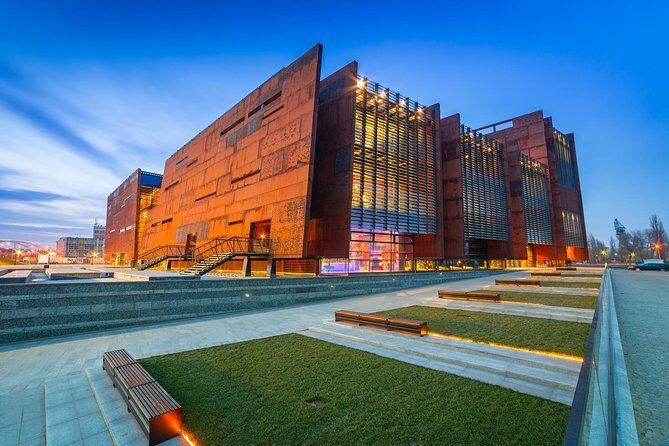
- Skip-the-line museum access at the European Solidarity Center for faster, smoother time inside
Entering Gdansk’s Solidarity story at Plac Solidarności
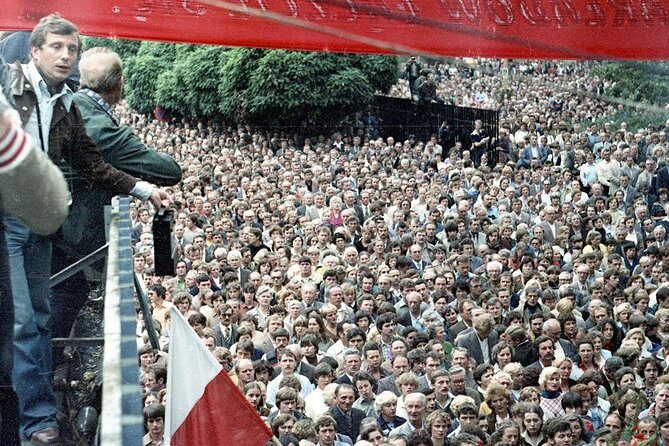
If you want to understand why Gdansk matters in modern European history, this tour gives you a simple path: start with the people, then connect them to the system, and finally show how it broke. You begin at the Monument to the Fallen Shipyard Workers of 1970 on Plac Solidarności. It’s the kind of spot where you instantly get why the shipyard workers became symbols far beyond Gdansk.
The tone here isn’t academic. The guide is there to help you read what you’re seeing: why this monument is placed where it is, what 1970 represents, and how those earlier tensions set the stage for what came in 1980. Even if Communism-era history isn’t your usual travel topic, the landmarks do the heavy lifting.
You’ll then move to the next point in the story with Pomnik Anny Walentynowicz. This is where the human side takes center stage. Walentynowicz is part of the Solidarity leadership circle, and the tour uses her role to explain how the movement gathered momentum.
Other Solidarity and communism-era tours in Gdansk
Choosing 2 hours vs. 4 hours (and what changes in the day)
This experience runs roughly 2 to 4 hours, and the key difference is whether you add the European Solidarity Center as a skip-the-line museum stop.
In the shorter version, you’ll focus on the shipyards and the main outdoor sites connected to the strikes and resistance—ideal if you’re also sightseeing in Gdansk Old Town and want this theme as a core add-on.
In the longer version, the upgrade adds a structured museum visit at the European Solidarity Center with skip-the-line tickets, plus the added extras (including a vodka shot). That half-day option is the one that usually makes the biggest impact if you want to really understand how worker demands turned into political change across the Eastern Bloc.
If you’re the type who hates rushing through indoor exhibits, don’t treat the time window casually. One past experience flagged that a 4-hour booking finished in about 3 hours, so plan your afternoon with breathing room.
Stop-by-stop: from 1970 to the Gdańsk Agreement
The itinerary moves like a story arc. Each stop answers a question the last one raises.
Stop 1: Monument to the Fallen Shipyard Workers of 1970
You meet at Plac Solidarności by the monument dedicated to the 1970 workers. Admission here is free, and that matters because it lets the tour start with context, not ticket logistics.
The value: it gives you the emotional baseline. Without understanding the earlier crackdown and sacrifice, it’s hard to grasp why Solidarity wasn’t just a labor issue—it became a moral and political challenge.
Stop 2: Pomnik Anny Walentynowicz
From there, the tour heads to the monument for Anna Walentynowicz. This is where you’ll hear the connective thread between prominent names—like Lech Wałęsa and Walentynowicz—and the people who took action inside the shipyard culture.
The guide helps you connect exhibitions and historical context to what’s happening on the street in front of you. That pairing is what makes the outdoor-and-indoor combination work.
Other private tours in Gdansk



Stop 3: Sala BHP (and the story behind the Gdańsk Agreement)
Next comes Sala BHP, the shipyard’s historic worker protection center. Here, the tour focuses on the Polish People’s Republic (PRL) and communism, but the real point is how power shifted inside labor spaces.
This stop is about the machinery of resistance. You’ll also visit the historic site linked to the Gdańsk Agreement, signed on 31 August 1980. In plain terms: this is where negotiations weren’t theoretical. They were tied to real conditions workers demanded be respected.
If you enjoy walking tours that don’t just point and move, this stop tends to be the anchor. It’s also admission-free, so you spend your time on interpretation rather than paperwork.
Stocznia Gdańska: the resistance begins in the shipyard
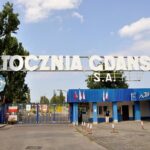
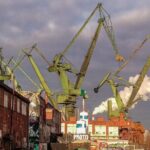
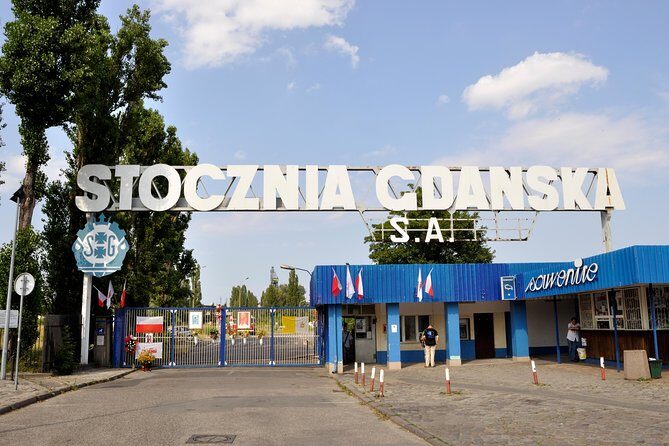
The final outdoor stop is Stocznia Gdańska, the Gdańsk Shipyard. This is where the tour lands its main message: in 1980, around 17,000 ship builders began civil resistance against the communist regime.
Why this matters for your understanding is simple. You’re not being asked to imagine the setting. You’re standing in the industrial space that made organizing possible—where workers could share information, coordinate action, and sustain pressure.
And yes, it comes with a traditional touch. In the 4-hour option, the tour includes a shot of Polish vodka. It’s not a gimmick if you treat it as a cultural marker: a quick toast to how local traditions survive even when politics changes.
Also note one practical thing: the shipyard is closed on Saturdays and Sundays. If you’re visiting over a weekend, you’ll want to check your travel dates carefully.
European Solidarity Center: where the documents do the talking
This is the upgrade that turns a great walking tour into a complete Solidarity lesson.
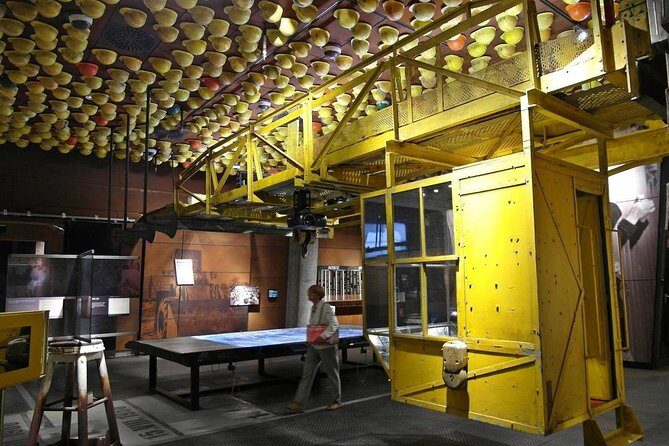
Inside the European Solidarity Center, you walk through the development of Solidarity step by step. The big draw is that you get to see key primary materials, including the original Tables of 21 Postulates—the written demands made in 1980 by strikers at the Lenin Shipyard (now Gdańsk Shipyard).
You’ll also see other documents and photographs showing:
- the strikes and momentum building
- the 1989 round table talks
- the first pluralistic election in Poland since 1947
In practical terms, skip-the-line tickets matter because museum time is always under pressure when you’re traveling. Here, that extra efficiency helps you spend more time reading and less time waiting. If you’re the type who likes to understand how a movement evolved over years (not just famous names), this part is the payoff.
One more detail worth knowing: the tour language is available in nine European languages, and the guide is an official Gdansk license holder fluent in your chosen language. That’s a big deal in a museum, because the difference between a “good” explanation and a “you get it now” explanation often comes down to language precision.
Why the guide’s style can make or break the experience
This kind of tour lives or dies by communication. The strongest feedback for this experience centers on guides who bring pride, clarity, and real context to what can otherwise feel like heavy subject matter.
You may meet guides like Aneta, described as friendly and passionate about sharing her country’s history. Another account praised a native of Gdańsk who used first-hand accounts tied to the museum exhibits, with a proud framing of Poland’s role in helping drive democracy in Central Europe.
I like that this isn’t presented as one-note propaganda. The tour is structured to give you both the tragedy and the strategy: what happened when workers pushed back, and why the movement mattered beyond one city. If you ask questions, the format gives you room to connect the monuments to the museum’s story.
Price and value: what $139.10 buys you in real terms
At $139.10 per person, this tour isn’t the cheapest way to tour Gdansk. The value comes from what’s bundled.
You’re getting:
- a private tour where only your group participates
- an official Gdansk history guide
- pickup from your Gdansk Old Town accommodation (with a specific local-area rule)
- free admission at the shipyard-side sites (and Sala BHP in the longer option)
- skip-the-line museum tickets for the European Solidarity Center in the appropriate option
- a vodka shot in the 4-hour option
So the key question for your wallet is whether you plan to add the museum. If you’re skipping the museum anyway, the 2-hour format can still be worth it for the outdoor context. If you want the full story with primary documents and the 1989 transition, the 4-hour option is where the price starts to feel more like a package deal than a separate activity shopping exercise.
Also keep the timing in mind. This tour is commonly booked about 45 days in advance, which usually means it can sell out on popular dates. If your schedule is fixed, booking earlier is a smart move.
Getting to the meeting point without stress
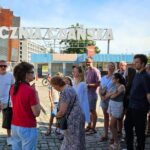
Meeting starts at the Monument to the Fallen Shipyard Workers of 1970 on Plac Solidarności in Gdańsk.
Pickup is available only in Gdansk Old Town, and only if your accommodation is within 1.5 km of the meeting point. If your hotel is outside that radius, the guide will meet you at the set meeting location instead.
This matters because it affects how smoothly you can slot the tour into your day. If you’re staying in the Old Town, you get the easiest start. If not, plan on getting yourself to Plac Solidarności.
One more useful point: the meeting area is listed as near public transportation, so you’re not stuck if you’re arriving mid-day.
Who this tour suits best (and who should skip it)
This tour is ideal if you want your history grounded in place. It’s also great for couples, friends, and small groups who like private guiding and want to ask questions without slowing anyone else down.
Choose it if:
- you care about how labor movements can reshape politics
- you want to see Solidarity history tied to specific sites in Gdansk
- you’d like the European Solidarity Center included without wasting time in lines
Skip it or switch strategies if:
- you have a hard deadline right after the tour (the longer option has occasionally run short)
- you’re visiting on a weekend, since the shipyard portion is closed Saturday and Sunday
- you prefer lighter, less document-heavy experiences (the museum part is where the reading and detail are)
Should you book this Solidarity tour?
I’d book it if your goal is understanding. The combination of shipyard landmarks, the Sala BHP turning point, and the European Solidarity Center’s original 21 demands gives you a full arc from workers to democracy.
If you do book, do two simple things:
- Pick the 4-hour option only if you can keep your afternoon open enough to absorb museum time.
- Aim for a weekday if you’re counting on the shipyard stop.
With that, you’ll come away with more than facts. You’ll understand why this city became a pressure point—and how a movement born in a shipyard helped change the region.
FAQ
How long is the Gdansk Private Communism Tour?
It runs approximately 2 to 4 hours, depending on which option you choose.
Does the tour include the European Solidarity Center?
Yes. The European Solidarity Center visit is included as an upgrade option, with skip-the-line tickets, and it’s included in the 2- and 4-hour versions where applicable.
Are there free stops on this tour?
Yes. The Monument to the Fallen Shipyard Workers of 1970, Pomnik Anny Walentynowicz, and Stocznia Gdańska stops are listed as free entry. Sala BHP is also free in the 4-hour option.
Do I get pickup from my hotel?
Pickup is available only if your accommodation is in Gdansk Old Town and within 1.5 km of the meeting point. If not, the guide meets you at the scheduled meeting location.
Is the shipyard open every day?
No. Gdansk Shipyard is closed on Saturdays and Sundays.
Is this tour private?
Yes. It is a private tour, so only your group participates.
What languages are available?
The tour is available in nine different European languages.
Is vodka included?
A shot of traditional Polish vodka is included in the 4-hour option.