REVIEW · GDANSK
Gdansk: European Solidarity Centre Guided Tour
Book on GetYourGuide →Operated by Todo.travel · Bookable on GetYourGuide
A fight for freedom, told with your feet on the floor. The European Solidarity Centre in Gdańsk uses guided storytelling to bring Poland’s turn away from communism to life. I especially like how the tour focuses on people and decisions, not just dates, and how you get to connect the story to a wider fight for rights beyond Poland.
The one thing to consider: the experience includes climbing and descending staircases, so it helps to plan your pace. If you love clear, human-scale history, this is a strong match.
In This Review
- Key things to notice before you go
- European Solidarity Centre: A history museum with a pulse
- Recreated strikes and multimedia: where the story becomes visible
- Lech Wałęsa and the round table negotiations: decision moments that changed everything
- Solidarity beyond Poland: how ideas traveled across Eastern Europe
- Workshops, films, and discussion-style exhibits: leaving with more than facts
- Price and logistics for an $83 guided tour in Gdańsk
- Who should book this tour—and who might prefer a different format
- Should you book the European Solidarity Centre guided tour?
- FAQ
- How long is the Gdańsk European Solidarity Centre guided tour?
- What languages is the guided tour available in?
- Is the tour wheelchair accessible?
- Is there an age requirement to book this tour?
- Are luggage or large bags allowed?
- What is the cancellation policy?
Key things to notice before you go
- A live guide leads the visit in English or Polish
- Recreated strikes and multimedia make key moments feel immediate
- Lech Wałęsa and round table negotiations anchor the timeline
- Solidarity’s global influence shows how ideas spread across Eastern Europe
- Workshops, film screenings, and discussion-style exhibits push you to think, not just watch
- 150 minutes is long enough for depth, not so long you feel trapped
European Solidarity Centre: A history museum with a pulse
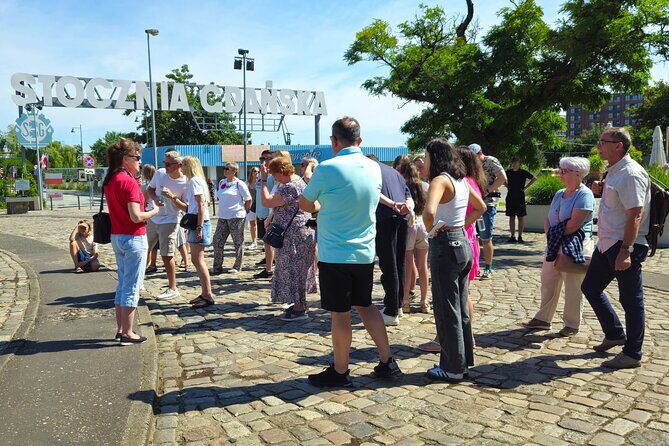
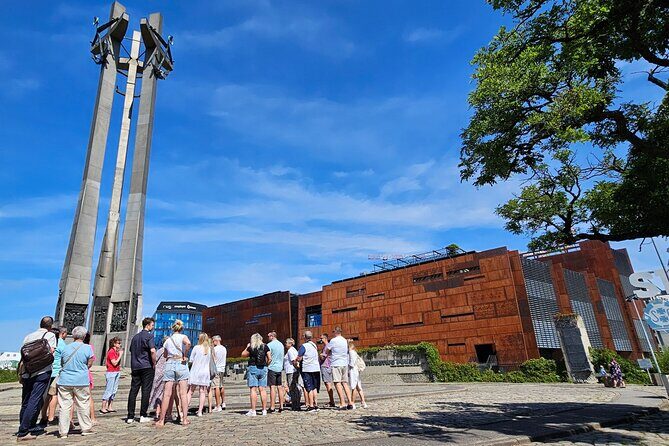
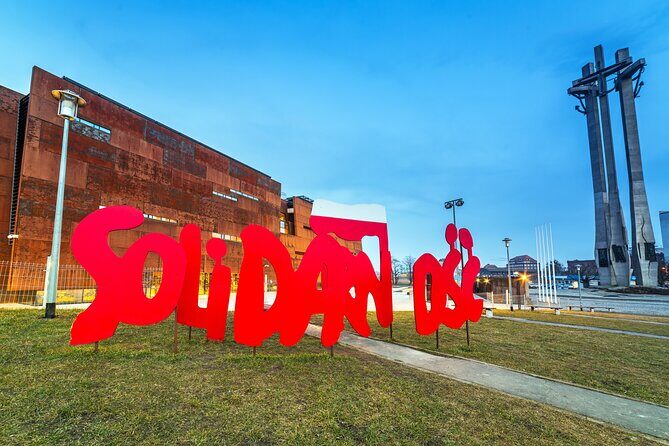
If you’ve only seen history museums that feel like quiet storage rooms, this one changes the tone fast. The European Solidarity Centre is built around the idea that Solidarity wasn’t a single event. It was a movement, with ordinary workers taking risks, negotiating, and building momentum until change became unavoidable.
What I like most is the way a guided visit turns the building into a route through the argument. You’re not just looking at panels. You’re getting an explanation of why strikes mattered, what negotiations changed, and why the legacy still echoes today. The tour format also helps you spot the through-line: the shift from communism’s control to a push for dignity, rights, and social justice.
One big bonus for planning: it’s designed to be more than a one-time pass-through. The centre also includes space for discussion, with elements like workshops and film screenings. That matters because Solidarity isn’t only about the past. The exhibits point toward the ongoing question—what people do when fairness and human rights are at stake.
A final note from the quality picture you’ll be inheriting: at least one guide, Marta, earned very strong praise for making the experience memorable. With that kind of guiding, the centre feels less like a lecture and more like a guided conversation.
Other Solidarity and communism-era tours in Gdansk


Recreated strikes and multimedia: where the story becomes visible
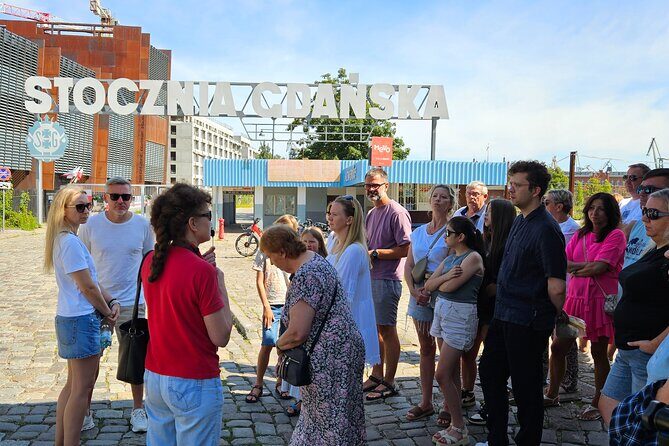
A lot of political history can feel abstract—until it’s staged in a way you can grasp quickly. In this tour, you’ll see recreated strikes and multimedia displays that translate tension into something you can actually process. Strikes aren’t just mentioned; they’re shown as coordinated action, with focus on the social pressure points that communism tried to control.
Multimedia is doing real work here. It’s not just decoration. It helps you understand the scale of the effort and the stakes for the people involved. When you’re watching or listening to parts of the story, you’re also learning how communication, organization, and public pressure helped the movement grow.
There’s also a practical side to this. Multimedia and recreated scenes can reduce the reading burden compared with museums that rely heavily on text. You still get context, but the experience keeps moving, so it stays lively during the full 150 minutes.
Drawback to keep in mind: this style can feel emotional. If you prefer history that stays clinical and distant, the tour’s focus on conflict may be more intense than you expect. It’s still balanced—just not neutral in mood.
Lech Wałęsa and the round table negotiations: decision moments that changed everything
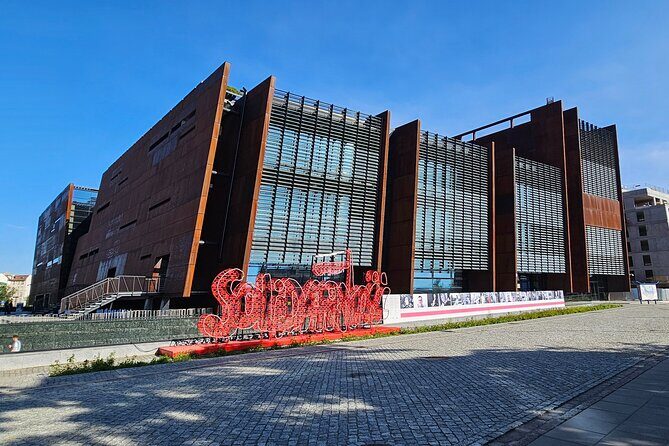
You’ll also meet the story at its turning points. The tour highlights figures like Lech Wałęsa and the Polish workers who pushed the movement forward. That’s important, because it resists the temptation to treat change like a single hero moment. Instead, you get the sense that leadership mattered, but so did collective action.
A key part of what you’ll explore is the round table negotiations. This is where the tone typically shifts from confrontation to bargaining, and you’ll learn how negotiations can be as decisive as street pressure. In a guided setting, this section tends to land better because a good guide can connect the why: what each side needed, what risk looked like, and why agreements shaped the future.
If you’re trying to understand Poland’s path out of communism, these decision points are the heart of the narrative. They explain how pressure and negotiation can work together rather than as separate tactics.
One more consideration: staircases are part of the route, so keep your energy for the sections that grab you. If you take your time, you’ll be able to catch details and stay present.
Solidarity beyond Poland: how ideas traveled across Eastern Europe
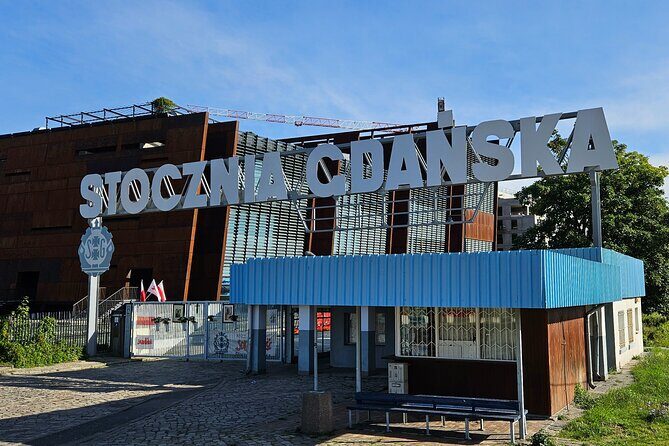
The European Solidarity Centre doesn’t stop at Poland’s border. After you grasp the local struggle, the global influence exhibits show how Solidarity ideas sparked change across Eastern Europe. This part of the tour helps you see Solidarity as a model, not only a national story.
For you, this matters because it reframes what you’re learning. Instead of treating Poland’s transformation as an isolated historical event, you learn how movements borrow strategies, share inspiration, and create momentum in other places. That’s a big reason the tour lasts 150 minutes: it gives enough time to connect the local to the regional.
This section also makes the visit useful even if you already know the basics of the Solidarity story. You’re not just repeating what’s on a generic timeline. You’re learning how influence works—how ideas travel when people recognize their own struggles in someone else’s victory.
You’ll likely feel the centre nudging you toward questions of current relevance. That’s intentional, and it’s one reason this isn’t only for history buffs.
Workshops, films, and discussion-style exhibits: leaving with more than facts
The best parts of a guided museum visit aren’t only the visuals. They’re the moments when you’re guided to reflect. Here, the centre includes elements like workshops and film screenings, plus exhibits designed for discussion and thought-provoking prompts.
In practice, that means you’re not finished once you walk out. You’ll have more to carry—especially if you care about social justice, human rights, and what “ordinary people” can do when they organize. The tour’s message is clear: the legacy of Solidarity isn’t stuck behind glass.
For some visitors, this adds a nice layer of depth. For others, it can feel like the museum wants you to react emotionally. There’s no wrong way to feel. Just know the experience leans human and moral, not strictly academic.
Also, because it’s a guided tour, you can ask questions in the language you’re comfortable with. The tour is offered in English and Polish, so you’re not forced into a one-size-fits-all experience.
Other guided tours in Gdansk



Price and logistics for an $83 guided tour in Gdańsk
At $83 per person for a 150-minute tour, you’re paying for three things: live guidance, entrance, and a structured way to see the centre in one go. That’s not bargain-basement pricing, but the value is real if you want context and a guided interpretation rather than wandering.
Included in the price:
- Professional guide
- Entrance tickets to the European Solidarity Centre
Not included:
- Transportation
- Food and drinks
I recommend treating it like a focused activity, not something to squeeze in between long transit hops and meals. You’ll get more out of the centre if you arrive ready to spend the full time, and you don’t have to keep checking your watch every few minutes.
A few practical notes that affect comfort:
- The meeting point can vary depending on which option you book, so double-check your specific instructions.
- Arrive at least 10 minutes early.
- The route includes staircases.
- Luggage or large bags aren’t allowed, so travel light if you can.
One quality note from the available feedback: the guide experience matters. Marta is specifically praised as a great guide, and there’s also a comment that the guide could be better, depending on who’s leading. So if you’re picky about narration quality, it’s worth choosing a departure time that fits your schedule and keeping expectations flexible.
Who should book this tour—and who might prefer a different format
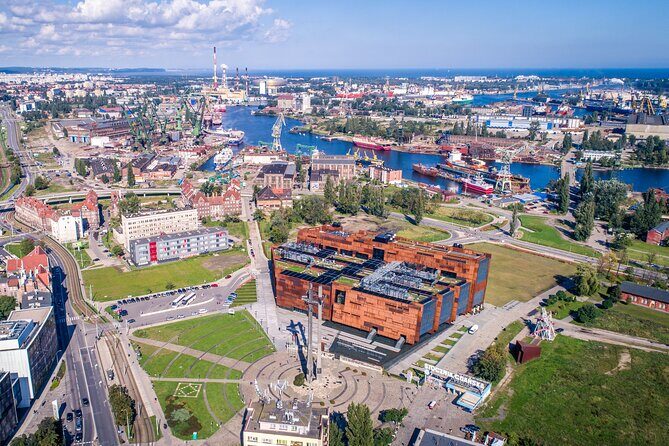
This guided visit is a strong fit if you:
- want a clear narrative about the fight against communism in Poland
- like learning through recreated scenes and multimedia, not only reading
- care about human rights, social justice, and modern connections to past movements
- want the story connected to wider Eastern European change, not just a single country
It may be less ideal if you:
- dislike emotionally charged historical topics
- need step-free routes all the time (even though the tour is wheelchair accessible, the tour includes staircases, so you’ll want to check how that works for your situation)
- travel with bulky luggage or bags, since large items aren’t allowed
If you’re in Gdańsk for a short stay and you want one high-impact, meaning-heavy stop, this is a solid choice. And if you already plan to visit other parts of the city’s history, this tour gives you a powerful “why it mattered” layer.
Should you book the European Solidarity Centre guided tour?
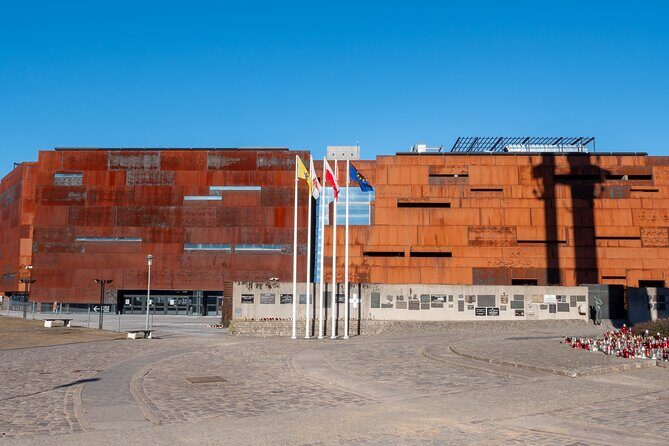
Yes, if you want your history with a guide’s explanation and you’re ready for a story that connects struggle, negotiation, and ongoing rights. The format—recreated strikes, multimedia, Wałęsa and round table negotiations, plus global influence—fits well into a 150-minute guided route.
Skip it only if you know you want a quiet self-guided museum where you control every pace and don’t want stairs, emotion, or discussion-style prompts.
If you’re even slightly interested in how ordinary people changed the course of politics, this is the kind of tour that tends to stick with you.
FAQ
How long is the Gdańsk European Solidarity Centre guided tour?
The tour lasts 150 minutes.
What languages is the guided tour available in?
You can join in English or Polish.
Is the tour wheelchair accessible?
Yes, the tour is wheelchair accessible.
Is there an age requirement to book this tour?
Yes. You must be 18 years or older, or be accompanied by an adult.
Are luggage or large bags allowed?
No. Luggage or large bags aren’t allowed.
What is the cancellation policy?
You can cancel up to 24 hours in advance for a full refund.