REVIEW · GDANSK
Stutthof Concentration Camp: Private Guided Tour with Transport
Book on Viator →Operated by Rosotravel Tours Gdansk · Bookable on Viator
Stutthof deserves more than a quick stop. This private tour pairs prebooked admission with a real guide’s context, then adds round-trip transport so you can focus on the day. You’ll also have options to roll into Westerplatte, the WWII museum, and the highlights of Gdańsk Old Town.
What I like most is the way the Stutthof time is protected. You get a minimum 2-hour guided visit in your chosen foreign language (English is offered) plus admission to the Stutthof Museum Cinema documentary experience.
One consideration: the schedule is built to fit a lot. If you choose the longer options, plan for a heavy, long day where the emotional weight doesn’t leave much room for wandering slowly.
Key things I’d plan around
- Guaranteed Stutthof guided time (minimum 2 hours) with admission and cinema included
- Private, Q-and-A focused tour so you can ask questions as you walk the grounds
- Air-conditioned pickup and drop-off from Gdańsk, Sopot, Gdynia, or the cruise port
- Optional add-ons with tickets like Westerplatte and the Museum of the Second World War
- Old Town walking highlights such as Neptune Fountain, Artus Court, and Piwna Street
- A mailed follow-up film: Stutthof Survivors documentary sent after the tour on request
In This Review
- How the Private Transport Keeps Your Stutthof Day on Track
- Stutthof Concentration Camp: What the Guided Visit Actually Gives You
- Practical ways to make the Stutthof time easier
- A heads-up on guides you might encounter
- The Museum Cinema and the Follow-Up Film: Why This Matters
- Optional Add-On: Westerplatte and the WWII Museum in One Day
- Westerplatte (if you choose the extended option)
- Museum of the Second World War (also option-based)
- The trade-off: time pressure
- Gdańsk Old Town Walking Highlights You Can Pair With This Day
- St. Mary’s Basilica: The Brick-Church Stop Worth Giving Time
- Price and Value: What $315.65 Gets You (and What It Doesn’t)
- Who Should Book This Tour—and Who Should Pick a Shorter Day
- Should You Book This Stutthof Private Tour?
- FAQ
- How long is the Stutthof private guided tour?
- Is hotel or cruise pickup included?
- Do I get admission tickets for Stutthof?
- Is the tour private or shared?
- What language is the guide offered in?
- Are meals included?
- Can I get the documentary film after the tour?
- What is the cancellation window?
How the Private Transport Keeps Your Stutthof Day on Track
If you’re coming from central Gdańsk, the main win here is simple: you don’t have to coordinate anything once you’re out the door. Pickup and drop-off are offered from hotels across Gdańsk, plus Sopot and Gdynia, and also from the cruise port. That matters because Stutthof isn’t a “pop by if you feel like it” stop—it’s the kind of place where you want your timing to behave.
You ride in an air-conditioned car with an English driver, and your Stutthof portion is built to run even if roads get busy. The tour description specifically notes guaranteed 2 hours of guided Stutthof time regardless of traffic jams, which is one of the better ways to protect your day when you’re traveling on a set schedule.
It’s also a private tour, exclusive to your group. That usually means less waiting around and more flexibility for questions—especially important for a subject that deserves care. And if you’re traveling as a small group, there are group discounts listed, which can make a private format feel less out of reach.
A small planning note: this experience is commonly booked far in advance (about 133 days on average). If your dates are firm—especially during peak season—booking early helps you lock in the kind of guided time you’re actually paying for.
Stutthof Concentration Camp: What the Guided Visit Actually Gives You
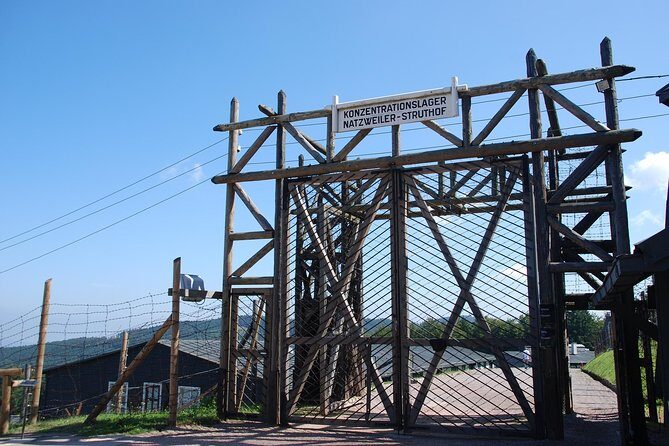
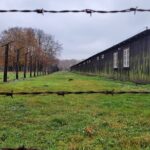
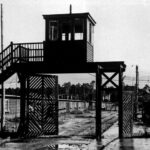
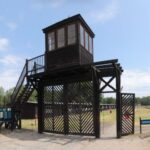
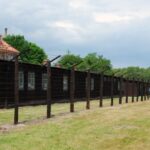
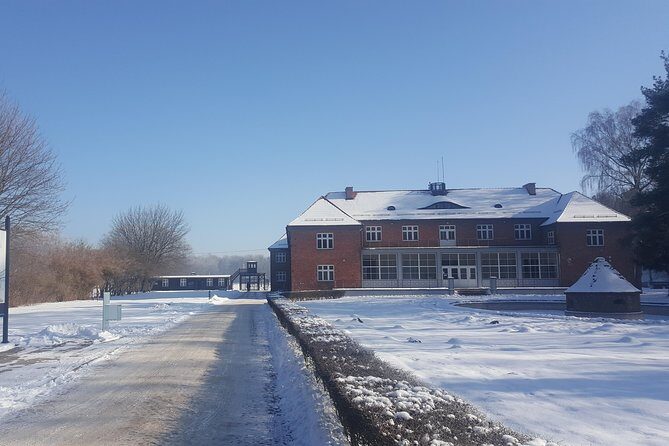
Stutthof was the first concentration camp built in Poland by the Nazis. Over the camp’s five years of existence, prisoners came from 28 countries. More than 110,000 prisoners were tortured, forced into work, or died in the gas chambers. That’s the foundation, and the guided format is what turns a “sightseeing visit” into an informed one.
In this tour, you’ll spend time exploring the camp grounds with a private guide who answers questions as you move through the site. The experience is designed around a minimum 2-hour guided tour, and it also includes admission to the Stutthof Museum Cinema. The museum-cinema block is not just a movie stop—it’s part of how the museum builds context, including documentary material tied to survivors.
You’ll also see moving exhibitions during your time at Stutthof. The site is emotionally heavy, so the practical value of a guide is that you’re not left trying to connect details on your own. Instead, you can ask what something means, who it affected, and how it fits into the larger wartime story you’re in Gdańsk to understand.
Other Stutthof Concentration Camp tours we've reviewed

Practical ways to make the Stutthof time easier
- Wear comfortable shoes. You’ll be walking through a large memorial area.
- Expect the day to be mentally tiring. This isn’t the place for multitasking.
- Bring a bottle of water if you need it. Meals aren’t included, so you may want to plan for breaks outside of the guided blocks.
A heads-up on guides you might encounter
The names in the provided feedback include people like Patrick/Patryk, Dariusz, and Adam. If your guide is one of them (or someone similarly experienced), you can expect a focus on context and answering questions. The whole point is to keep the visit structured without making it cold or rushed.
The Museum Cinema and the Follow-Up Film: Why This Matters
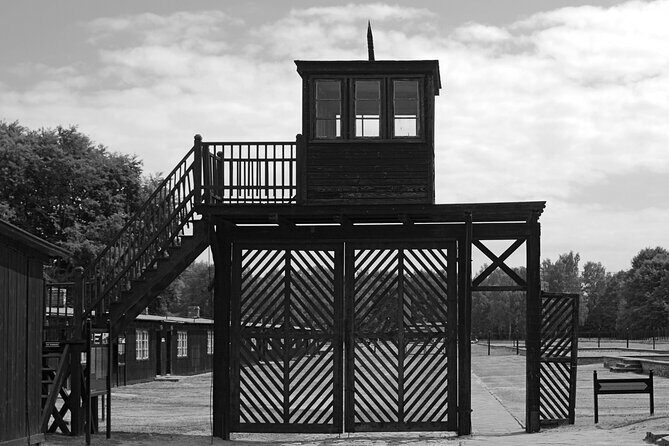
A lot of memorial visits leave you with fragments—images you remember, but questions you still want answered. Here, the tour includes both immediate and follow-up media.
First, you’ll have admission to watch the documentary movie at Stutthof Museum Cinema as part of your Stutthof time. Then there’s a nice extra: a full documentary movie called Stutthof Survivors can be mailed to you after the tour, on request.
Why does this matter for you? It gives you a second chance to process what you learned on-site. Some people leave memorials overwhelmed and blank out details they meant to remember. The follow-up film helps you revisit the story later, when you’re calmer and your questions are clearer.
Optional Add-On: Westerplatte and the WWII Museum in One Day
This tour has options that can extend your outing to around 7 hours. The big idea is that you’re not just visiting a single site; you’re trying to connect the tragedy of Stutthof to the wider war story in the region.
Other guided tours in Gdansk


Westerplatte (if you choose the extended option)
Westerplatte was a military base used by many different armies, and it’s now a key symbol for the beginning of the Second World War. Your stop includes sightseeing of Westerplatte with a small military cemetery and a huge Monument to the defenders of the Polish Coast.
If you like understanding cause-and-effect, Westerplatte helps. It’s not the same kind of site as Stutthof, but it adds the “how did the war begin” context you’ll otherwise miss when you only focus on the camp.
Museum of the Second World War (also option-based)
The Museum of the Second World War is described as one of the best museums in Poland. You’ll get a guided visit (with tickets included if you choose this option) focused on WWII details, and the guide provides clear context using different points of view.
This is valuable because WWII museums can be information-heavy. A guide helps you keep the narrative straight—what led to what, how decisions shaped events, and why different groups experienced the war differently.
The trade-off: time pressure
The main drawback with the 7-hour format is simple: you’re stacking two major stops. Stutthof already demands attention. Add the WWII museum and you’ll likely feel “time is moving” rather than “time is on your side.”
If your goal is reflection, I’d treat the Stutthof portion as the priority and choose extra stops only if you know you can handle a full day of intense content.
Gdańsk Old Town Walking Highlights You Can Pair With This Day
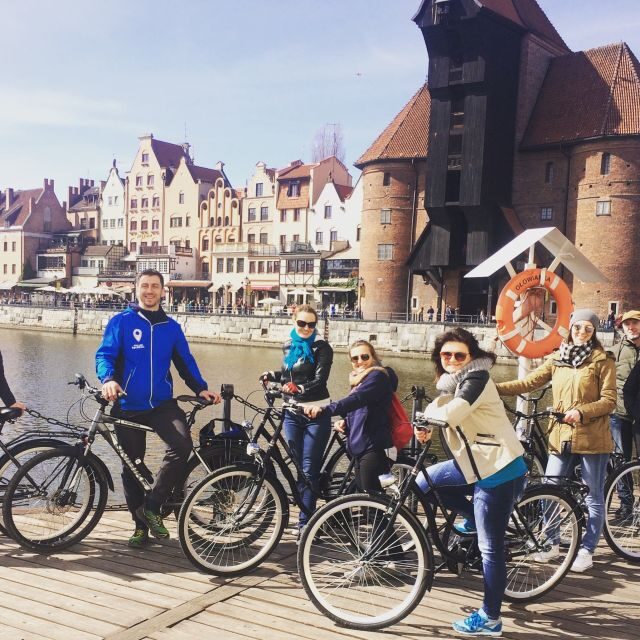
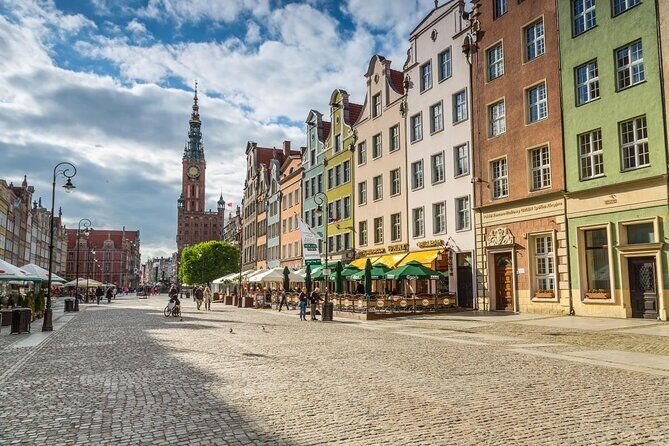
If you’re extending beyond Stutthof, you may also get Old Town sightseeing. The walk-focused parts of the route are built around major visual landmarks and a few reminders that the city’s wartime story isn’t abstract.
Here are the highlights you might see on the Old Town walking add-on:
- Fountain of Neptune: a 17th-century example of how classical antiquity was interpreted in Gdańsk art. It’s also described as a symbol of the city and its links to the sea.
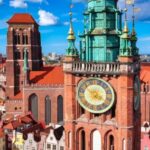
- Main City Hall: a prominent building and seat of city authorities, with multicultural references built into the story of the place.
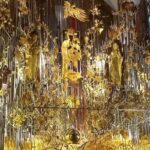
- Artus Court: historically a merchant meeting point and social center. Inside, there’s a centerpiece tiled stove: 10.64 metres, dating to 1546, built from more than 500 individual tiles. It’s described as the tallest of its kind in Europe, plus you’ll find large paintings tied to Bible and mythology.
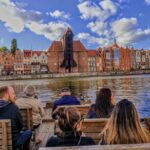
- The long waterfront feel of the Hanseatic League: the experience description leans into the idea of architectural variety, monuments, and city views reflected in the old port setting.
- Piwna Street: the street name connects to beer (Piwna). It’s also noted for the historic role of brewers, and there’s a darker connection too: the house of Albert Forster, a Nazi politician and war criminal, connected with his role as Gauleiter of Danzig.
That last detail is one of those moments where the city’s beauty and its past collide. If you’re going from Stutthof to Old Town, you’ll likely feel the contrast more than usual—and that’s exactly why this sequencing can work well if you’re prepared for it.
St. Mary’s Basilica: The Brick-Church Stop Worth Giving Time
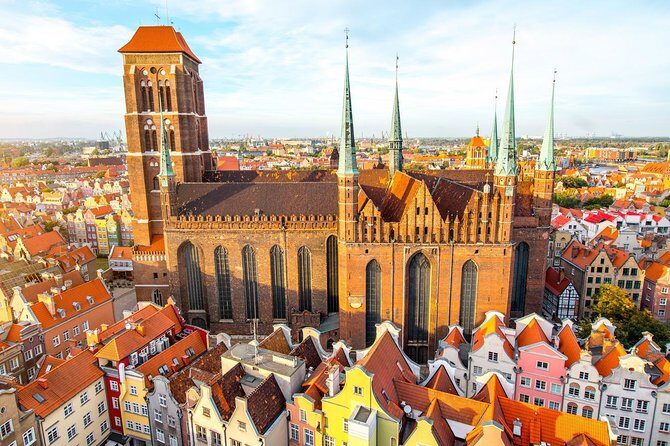
Another option tied to the Old Town walking area is St. Mary’s Church (St. Mary’s Basilica). It’s described as Gdańsk’s most visible place of worship and believed to be the largest brick church in the world.
This isn’t a quick “just look at the outside” kind of visit. The interior features details that make the structure feel almost engineered around light and space: the interior vault supports 37 windows, there are over 300 tombstones, and 31 chapels.
The time allocated here is about 30 minutes in the plan, so it’s more of a focused viewing window than a long chapel crawl. If you love church interiors and architectural measurements, this stop is one of the best “add-on” uses of that kind of time.
Price and Value: What $315.65 Gets You (and What It Doesn’t)
At $315.65 per person, this is not a budget tour. But you are buying three things that can be hard to replicate well on your own:
- A guaranteed, structured Stutthof visit
You get admission to the Stutthof Museum, plus time for a guided tour and the cinema documentary portion. You’re also told the guided 2-hour minimum is protected even with traffic.
- Door-to-door transportation
Pickup and drop-off are included from hotels or the cruise port across Gdańsk, Sopot, and Gdynia. You also have an English driver and air-conditioned transport.
- Private attention
This is exclusive to your group. With memorial sites, private time tends to be worth it because it gives room for questions and pacing.
What you don’t get: meals and food/drinks aren’t included. That’s typical for tours like this, but it matters because Stutthof days can stretch longer than you expect emotionally and logistically. Build in a plan for lunch or snacks outside the formal blocks.
There’s also a small value add listed: group discounts may apply depending on how many people are in your booking.
My take: the price is easier to justify if you’re taking this seriously as an educational day, not just checking a box. If you’re comfortable DIY-ing and already know how you’ll handle tickets, timing, and guide context, you might spend less elsewhere. But if you want your day to run cleanly and your questions answered in real time, this format does a lot of work for you.
Who Should Book This Tour—and Who Should Pick a Shorter Day
This experience fits best if you:
- Want Stutthof as the main event with a guided visit and cinema time
- Prefer private pacing instead of juggling a group
- Are visiting from a cruise ship or want simple, scheduled transport
- Want additional WWII context through Westerplatte and/or the Museum of the Second World War
It may not fit as well if you:
- Need a very slow, reflective memorial visit and dislike feeling pressured by time
- Plan to pack multiple heavy stops and then expect a normal sightseeing day after
- Want all costs fully covered, including meals (those aren’t included)
If I were advising a friend, I’d suggest choosing the Stutthof-focused option when you’re unsure about your energy. You can always add the lighter-feeling city stops later, when you’ve had time to process what you just learned.
Should You Book This Stutthof Private Tour?
Yes—if your priority is doing Stutthof with guided context, guaranteed time, and transport that removes stress. The combination of prebooked admission, a minimum 2-hour guided visit, and the Stutthof Museum Cinema makes this feel designed for understanding, not just attendance.
I’d book with the extension only if you genuinely want WWII context right alongside Stutthof, and you’re okay with a long day. If you’d rather keep space for reflection, choose the shorter Stutthof-centered format and save Old Town for another day.
FAQ
How long is the Stutthof private guided tour?
The tour is listed as 5 to 7 hours (approx.), depending on which additional stops you choose.
Is hotel or cruise pickup included?
Yes. Pickup and drop-off are provided from hotels in Gdańsk, Sopot, and Gdynia, as well as from the Gdansk Port.
Do I get admission tickets for Stutthof?
Yes. Entry Tickets to the Stutthof Museum are included, along with a ticket to watch the movie in the Stutthof Museum Cinema.
Is the tour private or shared?
It’s a private tour/activity, so only your group will participate.
What language is the guide offered in?
The tour is offered in English.
Are meals included?
No. Meals and food/drinks are not included.
Can I get the documentary film after the tour?
Yes. A full documentary movie titled Stutthof Survivors can be mailed to you after the tour on request.
What is the cancellation window?
You can cancel for a full refund if you cancel up to 24 hours in advance of the experience’s start time.