REVIEW · GDANSK
Sightseeing Cruise around the Old Town of Gdansk
Book on Viator →Operated by Boat & Bike · Bookable on Viator
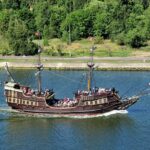
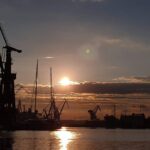
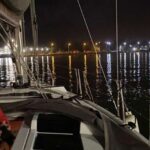
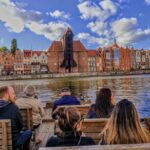
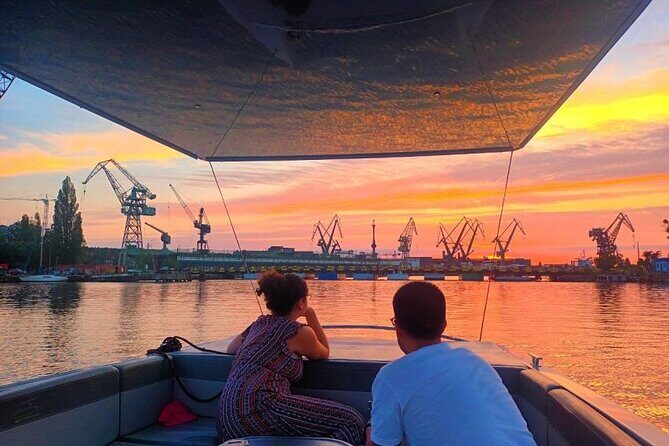
Quiet electric cruising in Gdańsk takes the stress out. You glide along the Motława River in an eco-friendly electric boat, and I love how the water-level perspective makes Gdańsk’s gates and cranes feel close-up rather than postcard distant. I also love the comfort factor: plush pillows and blankets make this feel less like a bus ride and more like a slow float with a view.
One thing to keep in mind is that this experience requires good weather, and the boat schedule can be disrupted (I saw reports of cancellations and even a no-show situation). Still, the basics are simple and traveler-friendly: there’s an English audio guide, it uses a mobile ticket, and groups are kept small (up to 8).
So if you want a smart way to see the Old Town from the river without adding more steep walking, this is a great choice.
In This Review
- Key Things I’d Actually Notice About This Cruise
- Motława River Views: The Old Town, Reframed
- Getting On Board: Meeting Point, Time, and What the Ride Feels Like
- Green Bridge to Granaries Island: Trade Architecture at Water Level
- The Crane: When Port Defense and Lifting Power Meet
- Olowianka Footbridge and the Shape of the Islands
- Sołdek Ship, Fish Market, and Brabank: From Cargo to City Life
- Polish Hook and the Imperial Shipyard: Where Grain Floats and Ships Repair
- Price and Value: Is $21.62 Worth a 50-Minute Cruise?
- Weather Reality Check (and What the Past Reviews Teach You)
- Who Should Book This Cruise—and Who Might Want Another Option?
- Should You Book This Sightseeing Cruise?
- FAQ
- How long is the Sightseeing Cruise around the Old Town of Gdansk?
- How much does the cruise cost?
- Is there an English audio guide?
- Do I need a paper ticket?
- Where do I meet for the cruise?
- How many people are on the tour?
- What sights will I see from the water?
- Can I buy a drink onboard?
- Are service animals allowed?
- What happens if the weather is poor?
Key Things I’d Actually Notice About This Cruise
- English audio guide so you’re not stuck guessing what you’re seeing
- Small group size (max 8) for a calmer ride and easier viewing
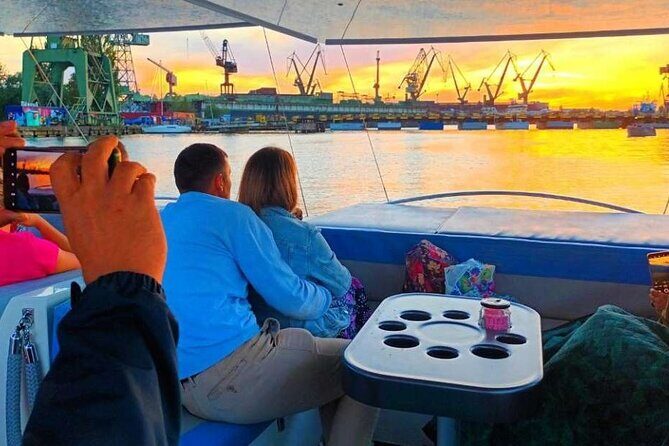
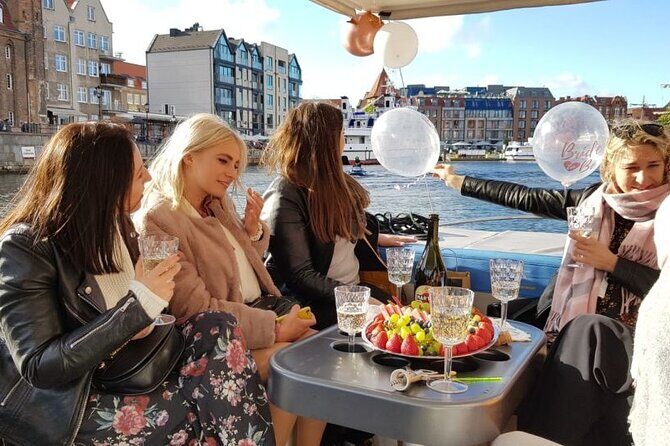
- Comfort touches like pillows and blankets, plus a mini-bar if you want a drink
- A Motława highlights route with water gates, bridges, islands, and major port landmarks
- Slow, relaxed pacing that makes it easier for photos and just watching the city move by
Motława River Views: The Old Town, Reframed
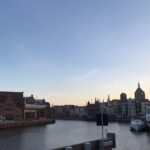
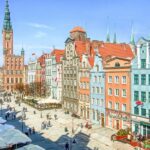
Gdańsk’s Old Town is best understood in layers, and this cruise is one of the easiest ways to see that layering fast. You start to connect the dots between the street-level landmarks and the city’s working waterfront—especially where trade, defense, and shipbuilding all used the same river.
The ride is on an electric boat, so it’s quieter than the kinds of engines that dominate the whole experience. On a good day, that matters. You can actually enjoy the sounds around you instead of fighting noise, and the slow movement is easier on your neck and your camera grip.
If you’ve already been walking the streets, this tour gives you a reset. It’s also a nice option when you want city views but your legs want a break.
Other Old Town walking tours we've reviewed in Gdansk

Getting On Board: Meeting Point, Time, and What the Ride Feels Like
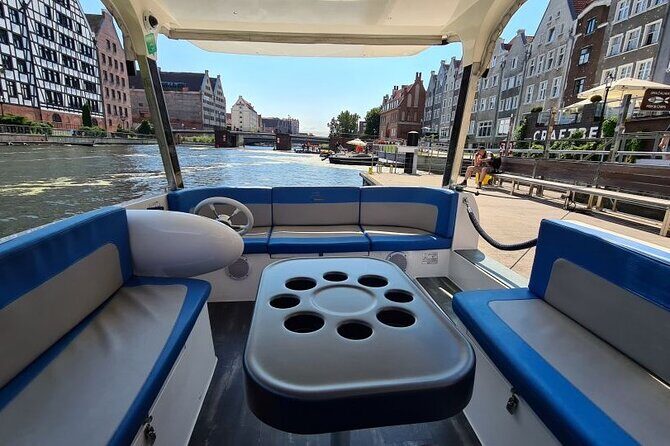
The cruise runs about 50 minutes and starts at Powroźnicza 13/15. It ends back at the same starting area, so you’re not left figuring out how to get back across town.
You’ll use a mobile ticket, which is convenient if you’re juggling reservations on your phone. The boat includes an onboard English audio guide, so you’re not dependent on a live guide’s voice carrying over water.
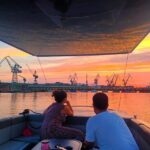
Comfort is a real part of the design. You’ll sit in comfortable seating with pillows and blankets, which turns a short cruise into something you’ll remember as cozy instead of just brief. One review also highlighted a solar-panel setup on top that can help with sun and light rain—useful information because it changes how much you’ll feel the weather during the ride.
Green Bridge to Granaries Island: Trade Architecture at Water Level
The cruise’s early stretch focuses on the river corridor that used to power Gdańsk’s economy. First up is the Green Bridge, the connector between the historic center and Granary Island (which sits like a long strip in the middle of the river arms).
The story of the Green Bridge is a good example of how names survive even when the materials change. It was partially wooden in the past and was probably called Green because of paint. After reconstruction into a steel structure, the original color disappeared—but the name did not. It also used to work as a drawbridge until the end of World War II, which helps you picture how much the waterfront was designed to control movement.
Then comes Granaries Island, surrounded by two arms of the Motława. This long, narrow island wasn’t scenic landscaping for leisure—it was functional space for storage. For centuries it held nearly 360 granaries, not just for grain but also for items like wood, resin, ash, and other traded materials.
Here’s why this stop works so well even without a long explanation: from the water, you can literally see why warehouses lined the river edge. The city’s economic engine was built to load, store, and move goods efficiently. You’re not just seeing history—you’re understanding the logic of the place.
The Crane: When Port Defense and Lifting Power Meet
A major highlight is the area around the famous crane (often described as a water gate that also served as a crane). This structure was defensive and practical at the same time, which is exactly the kind of hybrid design that makes waterfront cities interesting.
You’ll learn that after expansion in the 15th century, the crane became one of the biggest structures of its type in medieval Europe. The mechanism used large walking wheels operated by workers walking inside them. One set of wheels could lift weights reported as up to two tons, and pulley ropes were part of the lifting system.
From the cruise, you see the crane as a functional machine, not just a “cool building.” That’s the difference between looking at history from the street versus watching it from the same water route it was built for. You start to understand how people moved huge loads and still controlled the river.
If you’re into wartime or shipyard-era history, you may also catch views of major museum areas from the water. The route includes passing points connected to the Soldek Museum and the World War II Museum, which helps tie the working port past to the heavier 20th-century chapter.
Olowianka Footbridge and the Shape of the Islands
As the cruise continues, you pass the Ołowianka Footbridge. This is one of those landmarks that looks different from water than from land. Instead of being a crossing you hurry over, it becomes a reference point that helps you map the river’s layout—where islands sit, where channels narrow, and how the city’s edges connect.
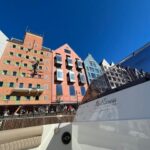
You also move through the area around former warehouses on Granary Island, now turned into a more modern neighborhood feel. The important thing here is not that it’s trendy now. The point is that the waterfront architecture has survived, and you can still read the old storage geometry from the water.
That’s an underrated benefit: this cruise gives you visual “notes” you can later recognize when you’re walking nearby.
Other boat tours in Gdansk
Sołdek Ship, Fish Market, and Brabank: From Cargo to City Life
Next you’re introduced to Sołdek, a ship moored near Ołowianka Island. It’s described as the first Polish ship built after World War II in the Gdańsk shipyard. The ship’s name connects to a working person—stevedore Stanisław Sołdek—which makes the story feel grounded rather than abstract.
You may also notice the hull’s visible rivets, with a reported total over 300,000. Whether you spot every rivet or not, knowing the scale changes how you see the ship. It stops being a vague “old vessel” and becomes a built object that reflects industrial methods.
Then the cruise route includes the Fish Market area. The history here reaches back to at least the 14th century, when the Teutonic Knights allowed fresh fish sales in the square near the castle walls. The detail that the fish came from places like Wisłoujście and Hel adds a real regional feel: this wasn’t just local snack trading; it was a distribution node for the broader coast.
After that, you pass Brabank, described as a modern residential complex at the mouth of the Radunia Canal where it meets the Motława. This is one of the best examples of how Gdańsk keeps layering new life onto old infrastructure. You’ll go from cargo and trade logic to modern river-edge living in the space of a few minutes of cruising, and that quick transition is part of the charm.
Polish Hook and the Imperial Shipyard: Where Grain Floats and Ships Repair
As the cruise moves toward the later sights, you’ll encounter the Polish Hook, the headland at the mouth of the Motława leading toward Martwa Wisła. This spot mattered because it was where raftsmen set up camps after long weeks floating with grain to Gdańsk.
The details make it feel more human than “industrial history.” Grain delivery brought people, and people brought social life—singing, playing, and dancing around bonfires. It’s a reminder that the waterfront wasn’t only work; it was also community and waiting.
Finally, you’re in the area linked to the Imperial Shipyard. In the 19th century, a repair workshop operated there for ships connected to the Gdańsk Navigational School. The workshop expanded from wooden steamers into iron ones, and the area grew with workshops, warehouses, a forge, a foundry, and office buildings.
The name shift you learn about is part of how cities change under different political realities. The workshops were renamed the Royal Shipyard, and after German unification in 1871, it became the Imperial Shipyard. Even if you don’t follow every historical label, the big takeaway holds: shipbuilding and repairs here weren’t a short project. They were a long, evolving industry.
Price and Value: Is $21.62 Worth a 50-Minute Cruise?

At $21.62 per person for about 50 minutes, you’re paying for a high-value experience type: river views without the full time commitment of a longer tour. It’s also a strong deal compared to the cost of many short “tickets + photos” city activities—especially because this one includes audio interpretation and real comfort.
What makes it feel like good value is the combination:
- A short duration you can slot between walking days
- Small group size (max 8), which keeps it relaxed
- Comfort touches (pillows and blankets)
- A route that hits multiple waterfront landmarks instead of circling just one area
If you care about photo time, the pace helps too. One review noted the boat doesn’t run too fast, which is exactly what you want if you’re trying to frame water gates, cranes, and bridges without sprinting with your phone or camera.
My practical take: if your main goal is to see Gdańsk from the Motława and you don’t want more walking, this price is pretty fair.
Weather Reality Check (and What the Past Reviews Teach You)
This is one of those tours where the weather isn’t a side note. The experience requires good weather, and the operator may cancel due to poor conditions—then you’re offered a different date or a full refund.
What’s more important, based on reports I saw, is that operational problems can happen too. There were cancellations tied to a boat being broken, and there were also complaints about a no-show when the tour didn’t run for the season. Some refund issues were mentioned with delays.
So here’s how you protect yourself:
- Pick a day where you have a flexible block in your schedule
- Keep an eye on your plans right up to departure
- If you’re traveling with limited options that day, treat this as a priority early in your trip so you can rebook if needed
Even with those risks, the overall rating is 4 out of 5 across 22 reviews, and many people clearly enjoyed the relaxed solar-electric feel and the calm atmosphere.
Who Should Book This Cruise—and Who Might Want Another Option?
This cruise is ideal if you want:
- A short, comfortable introduction to Gdańsk’s waterfront
- A break from walking
- An English audio guide so you get meaning, not just scenery
- A small group atmosphere for easier sightseeing
It’s also a good fit for couples and families who want a “doable” activity. The company also states that service animals are allowed, and most travelers can participate, which broadens the appeal.
If you’re the kind of traveler who wants a full day of guided depth with lots of stops on land, this may feel short. But for many people, that’s the point: you get the river story fast, then you can go explore the streets afterward with better context.
Should You Book This Sightseeing Cruise?
I’d book it if you want the best payoff-per-minute: river views, key waterfront landmarks, and comfort, all in under an hour. The English audio keeps it informative, and the small group size makes it feel calm instead of crowded.
I’d also book it with one smart expectation: check the weather and have a backup plan in case of cancellation. The cruise depends on conditions, and a small number of past issues show why flexibility matters.
If you’re trying to choose between another walking tour and a river break, this one is often the better move. It changes how you understand the city in a way you can’t get from the pavement alone.
FAQ
How long is the Sightseeing Cruise around the Old Town of Gdansk?
It lasts about 50 minutes.
How much does the cruise cost?
The price is $21.62 per person.
Is there an English audio guide?
Yes, an audio guide in English is available for cruise information.
Do I need a paper ticket?
No. This experience uses a mobile ticket.
Where do I meet for the cruise?
The start point is Powroźnicza 13/15, 80-828 Gdańsk, Poland.
How many people are on the tour?
The tour has a maximum of 8 travelers.
What sights will I see from the water?
You’ll pass historic water gates including St. Mary’s Gate, Stragglers Gate, St. John’s Gate, and the Holy Spirit Gate, and you’ll also glide past landmarks such as the red brick crane, the Soldek Museum, and the World War II Museum. The route includes Olowianka Footbridge and Granary Island.
Can I buy a drink onboard?
Yes, there is an onboard mini-bar where you can buy a drink.
Are service animals allowed?
Yes, service animals are allowed.
What happens if the weather is poor?
The experience requires good weather. If it’s canceled due to poor weather, you’ll be offered a different date or a full refund.