REVIEW · GDANSK
Sopot Private City Walking or Bike Tour with a local architect
Book on Viator →Bookable on Viator
Sopot can look like a beach town at first glance, but this walk reframes it fast. What I love most is the guide’s architect’s eye for details, and the way historical photos make the center of Sopot feel like it’s changing in front of you. You’ll get a smart, story-driven route that connects sea access, spa culture, and classic villa streets into one easy arc.
The one thing to factor in is physical effort. This is mostly a walking route with short stops, and the finish includes a lighthouse with stairs where you decide whether to climb.
In This Review
- Key highlights at a glance
- Sopot Through an Architect’s Lens (and a Local Sense of Humor)
- Bohaterów Monte Cassino: The Sea Road That Became a Pedestrian Icon
- Dworek Sierakowskich: An Off-the-Route 18th-Century Pause
- Villas Street and the Bridge Over the Ravine: Why Sopot Got Called Poland’s Montmartre
- Goyki 3 Art Inkubator: Tower Villa, Music, and the Alpine Resort Idea
- Sopot’s Spa Architecture Complex: The Riviera of the North Theme in Real Buildings
- Jan Jerzy Haffner Monument: The Town’s Godfather and the Beach-Park Life
- Sofitel Grand Sopot: The Beach and the 1920s Ambition Behind It
- Skwer Kuracyjny (The Plaza Created in 1925): When Sopot Was the Riviera of the North
- Changing Rooms (1905) and the Relocated Fishermen’s Houses
- The Pier and Sopot Lighthouse: Decide If You Want the Stairs
- Price and Value: When a Private Group Makes Sense
- Who This Tour Fits Best (and Who Might Want Something Different)
- Quick verdict: Should you book this Sopot architect-led tour?
- FAQ
- How long is the Sopot private walking or bike tour?
- How many people are in the group?
- What language is the tour offered in?
- Are there admission fees for the stops?
- Where does the tour start and end?
- Can I cancel for free?
Key highlights at a glance
- Architect-level explanations that focus on what you can actually see on the street
- Photo comparisons that show how Sopot’s center and spa era evolved
- Chopin and spa-resort backstories tied to real buildings, not vague themes
- Villas Street + the Poland’s Montmartre nickname, with stories behind the facades
- Free entry for most stops, with lighthouse admission included
- Private group pacing for up to 9, in English, with pickup offered
Sopot Through an Architect’s Lens (and a Local Sense of Humor)
This is a private tour for your group only, sized for up to 9 people, and it runs about 1 hour 30 minutes to 2 hours. It’s designed for an intimate pace—stop, look closely, then get the “why” behind what you’re seeing—rather than a speed-run of landmarks.
The local architect guide behind this experience is often identified as Agnieszka Łasota. From the way the tour is described, she’s the kind of guide who can explain buildings clearly without turning it into a lecture. You’ll also notice a practical rhythm: stories get tailored to the group’s energy, which matters on a coast trip where wind and cold can change your mood quickly.
Language is English, and pickup is offered. You’ll meet at Restauracja McDonald’s, Bohaterów Monte Cassino 21, 81-706 Sopot, and the tour ends at a different location, so build in a little flexibility for your next plan.
Other Sopot tours we've reviewed near Gdansk


Bohaterów Monte Cassino: The Sea Road That Became a Pedestrian Icon
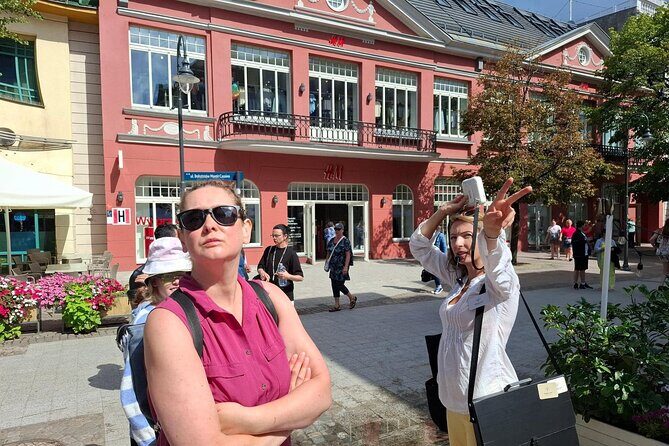
You start right at Bohaterów Monte Cassino, a street that’s considered the first pedestrian street in Poland. The interesting part isn’t just the fact—it’s the transformation. In earlier times, this was the main route that connected the village to the sea, and the guide’s job is to help you see the street as a working path, not just a modern walkway.
Expect a story-and-photo moment early on. The tour includes historical pictures meant to show how Sopot’s center changed over centuries. That’s a big advantage because it makes every later stop easier to “read”—you’ll start noticing architectural layers instead of treating each building as isolated.
This stop is listed as free and brief (about 14 minutes), so it works as a warm-up: you get oriented, you learn how the guide thinks, and then you’re ready to go deeper.
Dworek Sierakowskich: An Off-the-Route 18th-Century Pause
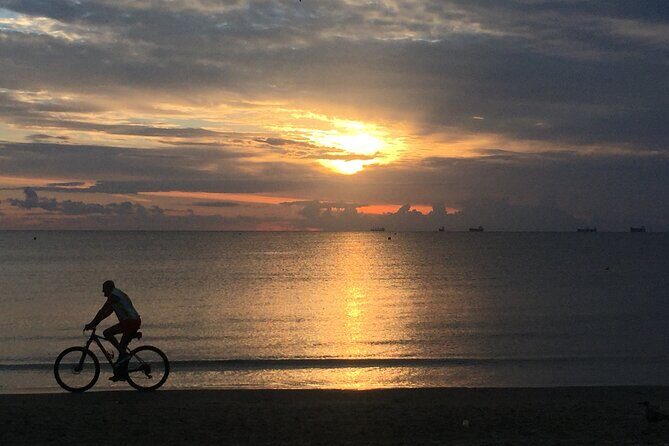
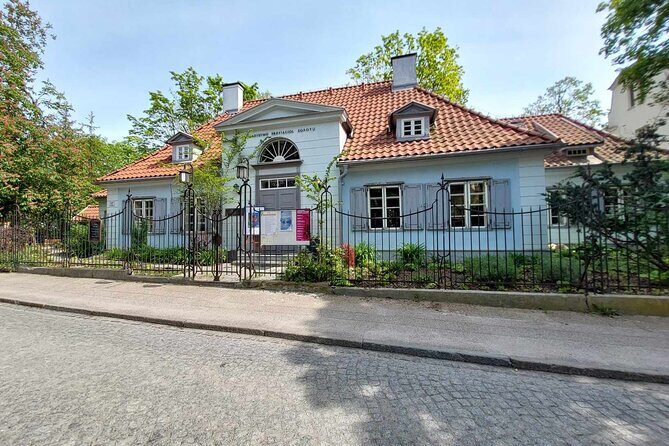
Next comes Dworek Sierakowskich, an 18th-century building that once functioned as a guest house linked to a larger manor. What you’re looking for here is a shift from the main street energy to something calmer and more local-feeling.
The tour highlights the interiors (where available) and a back garden that feels tucked away from the main flow. That off-the-beaten-track quality matters because Sopot can get busy near the water, but this is where you slow down.
There’s also a cultural hook: a bust of Fryderyk Chopin, with the suggestion that he likely stayed here and played piano while on holiday. Even if you’re not a deep classical-music person, the point is how the guide ties a single object to the broader social life of a spa resort town.
This stop is also free and short (about 6 minutes). If you like your tours with texture—quiet corners and small details—this is one of the best “breather” moments.
Villas Street and the Bridge Over the Ravine: Why Sopot Got Called Poland’s Montmartre
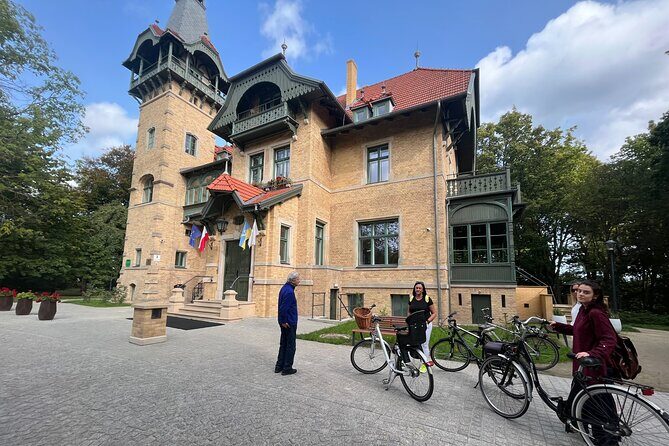
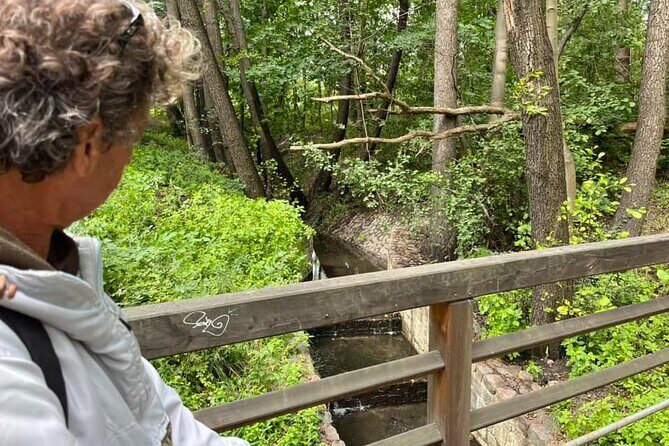
After that, you pass a picturesque bridge over a deep ravine. This isn’t a random scenic detour—it’s a visual reminder that Sopot’s town plan isn’t flat and simple. The bridge sets up the next area like a threshold.
Then you reach the street once known as Villas Street. The tour focuses on classical-style houses, including the oldest one listed as dating from 1881. You’ll also get the story behind the nickname Poland’s Montmartre, which came in the second half of the 20th century.
What I think makes this section valuable is that it connects architecture to culture. Instead of just admiring facades, you learn how Sopot’s identity shifted over time—how a place can evolve from a sea connection to a fashionable resort and, later, to an artistic vibe.
Because this is a small-area stroll with multiple “look here” moments, it’s ideal if you like walking slowly and noticing. If your day is tightly scheduled, give yourself a little buffer here—the stories add up.
Goyki 3 Art Inkubator: Tower Villa, Music, and the Alpine Resort Idea
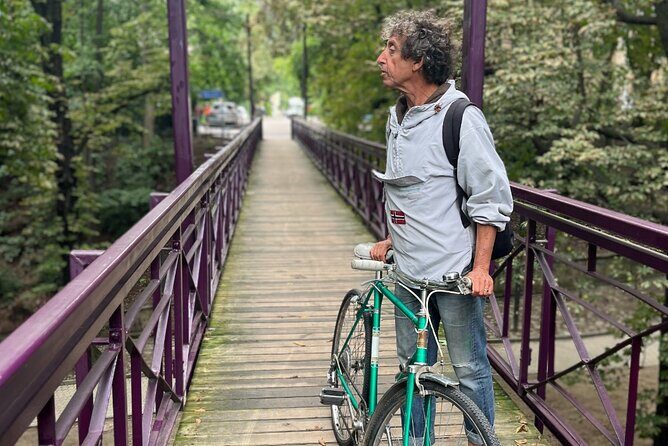
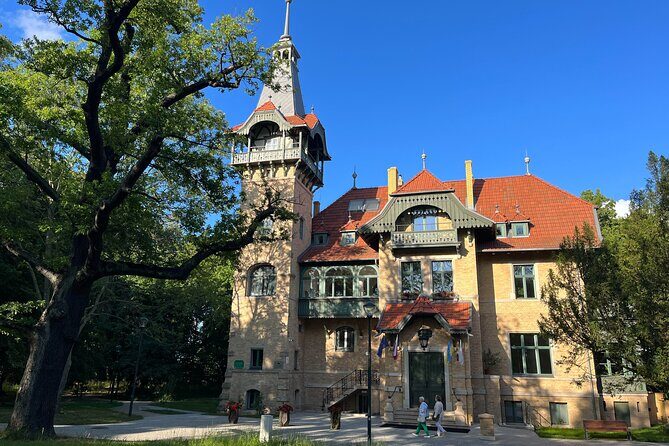
One of the tour’s more intriguing stops is Goyki 3 Art Inkubator. It’s described as a major villa complex from the late 19th century, with attention on the Tower Villa and its “rather sad” story paired with a tone of music.
Today, it functions as an art institution inside a building that’s described as taking inspiration from an Alpine Resort style—even though it’s far from the Alps. The guide explains the logic by connecting it to a wider European trend: spa-resort culture that became popular starting in the 18th century, especially in the parks around spa villas.
This is where the tour becomes more than sightseeing. You’re learning how design choices reflect an era’s health-and-leisure mindset. In plain terms: Sopot didn’t just build to be pretty; it built to fit a lifestyle people traveled for.
This stop is free and listed around 13 minutes, but it tends to feel longer because it’s packed with “why this style exists” storytelling.
Other bike tours in Gdansk


Sopot’s Spa Architecture Complex: The Riviera of the North Theme in Real Buildings
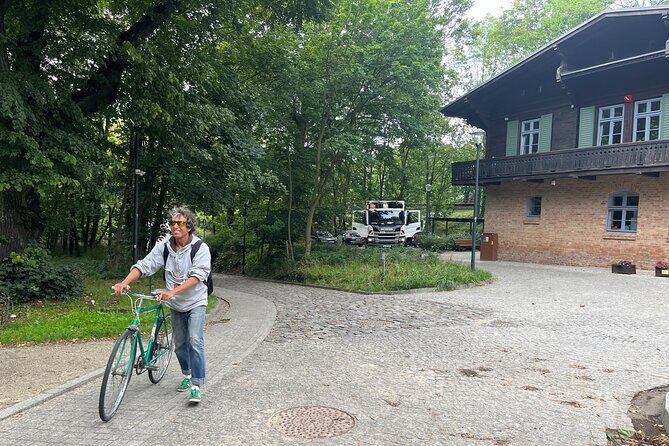
The tour then shifts into what it calls Sopot’s richest complex of spa architecture in Europe. That’s a bold line, but the way it’s presented makes it practical: you don’t just get a statement—you walk through the architecture and learn what that means visually.
The tour description also places this area near a creative figure: Per Oscar Gustav Dahlberg, a Swedish artist who moved to Sopot in 1996 after falling for the place. If you’re interested, the guide may suggest stopping by his house and studio, and you might even find graphics or an album on Sopot or Gdańsk architecture. It sounds like the meeting is possible if you let the guide know it’s on your mind.
Also nearby is Sopot’s famous crooked house, described as having a design inspired by Dahlberg’s drawings. Even if you’ve seen photos online, it’s the kind of building that hits better when you understand the source of the idea—especially after the architecture explanations earlier in the tour.
This section is about building a theme you can carry with you later: once you understand Sopot as a spa-and-resort city, the details stop looking random.
Jan Jerzy Haffner Monument: The Town’s Godfather and the Beach-Park Life
Now you get a different kind of landmark: the Jan Jerzy Haffner Monument. This isn’t just a statue stop—it’s used as a doorway into how Sopot became a place worth living in long before it was widely known.
The guide ties Haffner to a personal origin story: he was a surgeon in Napoleon’s army, and later became a key figure in choosing Sopot as a home. The tour’s tone here is connecting people to place—showing how individual decisions can shape a whole resort town’s direction.
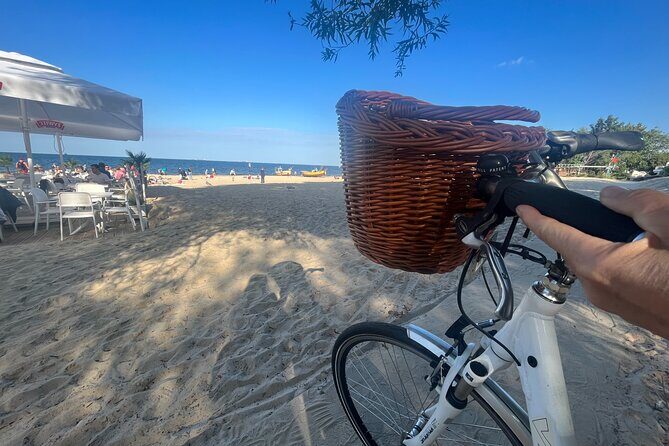
The stop is short (about 3 minutes), but it works because it sets up the environment that follows. You’ll hear what makes Sopot feel like Sopot: tennis courts, parks with big trees, and sandy beaches. It’s a reminder that spa towns were never only about healing. They were also about recreation and status.
Sofitel Grand Sopot: The Beach and the 1920s Ambition Behind It
Then comes Sofitel Grand Sopot, described as a majestically placed grand hotel right on the beach. The key point is historical timing. The city of Sopot, in the 1920s, decided to make the kind of investment that turned the area into a major resort draw.
So instead of treating the hotel as a luxury exterior, the tour frames it as a turning point. You’ll walk with the sense that Sopot was deliberately building its own future—especially as a seaside destination that attracted visitors far beyond local life.
This stop is free and about 15 minutes, which is long enough to feel meaningful. If you like architecture that reflects economic ambition (how a town markets itself), this is a highlight.
Skwer Kuracyjny (The Plaza Created in 1925): When Sopot Was the Riviera of the North
Next is Skwer Kuracyjny, a beautiful plaza created in 1925. The tour’s emphasis here is on old pictures again—this time from when Sopot was famous across Europe as the Riviera of the North.
That matters because it turns a pleasant public space into a historical stage. You’re not just standing in a square; you’re seeing what it used to represent socially and culturally.
You’ll also get a sense of how spa towns handled public life—places to stroll, watch, meet, and show up in good form. The stop is listed around 12 minutes and stays light enough to keep the overall pace feeling smooth.
Changing Rooms (1905) and the Relocated Fishermen’s Houses
The tour ends near the Changing Rooms built in 1905, with stories described as funny behind this spot. This is one of those practical seaside facts that becomes way more interesting once you know the context: spa life shaped daily routines, down to the way people changed and moved between beach and town.
Also nearby are small fishermen’s houses that were gently relocated in 1905. That detail quietly adds a moral layer to the postcard version of resort life. It shows how spa development and tourism can reshape communities.
This segment is about 6 minutes, then you transition into the final stretch.
The Pier and Sopot Lighthouse: Decide If You Want the Stairs
At some point, you’ll pass by the famous pier. The tour’s approach here is smart: you don’t need to spend your whole day on it during the guide-led portion. Instead, you learn enough about what to look for so you can visit it on your own after the tour.
Then comes the finish: Sopot Lighthouse. Walking up the steps might be tiring, but the view is the reward, and the lighthouse admission is listed as included. The tour leaves the decision to you—so if you’re short on energy, you can still enjoy the ending without forcing it.
This last part is one of the best places to check your comfort level. If you’re traveling with anyone who has limited endurance, plan the lighthouse choice early so it doesn’t become a stress point at the end.
Price and Value: When a Private Group Makes Sense
The price is $204.04 per group for up to 9 people, for 1.5–2 hours. On paper, that can look steep if you’re traveling solo or as a couple. But value flips fast when you spread it across a small group, because you’re paying for a licensed guide and a focused route rather than a bus-load format.
What makes it feel fair is the blend of ingredients you’re getting:
- multiple stops with free access
- a guide with architect training style
- a route that connects buildings, spa culture, and city change through photo comparisons
- a structured ending with lighthouse admission included
It also helps that most stops don’t rely on you paying for museums separately. The tour notes that museums are best visited separately, which is realistic—you don’t want a walking tour to turn into a ticket marathon.
If you’re the kind of traveler who likes to understand why a place looks the way it does, you’ll likely find the pricing matches the payoff.
Who This Tour Fits Best (and Who Might Want Something Different)
This tour is a great fit if you want:
- architecture and urban storytelling without heavy academic overload
- a short, efficient route that still feels personal
- a private guide who can adapt pace to your group
It’s also ideal for first-timers to Sopot because it gives you the “map in your head” fast: sea access, villa streets, spa architecture, and the promenade-style resort mood.
If you don’t enjoy walking or you’re sensitive to stairs, you can still do it, but you’ll want to plan the lighthouse choice carefully. Otherwise, the rest of the route is built around short stops and free-to-enter buildings.
Quick verdict: Should you book this Sopot architect-led tour?
I’d book it if you want Sopot to feel like more than beaches and boards. The strongest reason is the focus: a local architect’s perspective plus historical photo storytelling that connects the city’s spa-era identity to what you see today. It’s also unusually practical for its length—enough time to learn, not so long that you lose the rest of your day.
Skip it if your ideal vacation is minimal walking and maximum beach time with no interpretation. And if stairs are a problem, decide ahead of time whether you’ll climb the lighthouse steps.
FAQ
How long is the Sopot private walking or bike tour?
It lasts about 1 hour 30 minutes to 2 hours.
How many people are in the group?
It’s a private tour for your group only, sized up to 9 people.
What language is the tour offered in?
The tour is offered in English.
Are there admission fees for the stops?
Most listed buildings/stops are free. Sopot Lighthouse admission is included.
Where does the tour start and end?
The tour starts at Restauracja McDonald’s, Bohaterów Monte Cassino 21, 81-706 Sopot, Poland. It ends in a different location (you’ll see the exact end point details at booking).
Can I cancel for free?
Yes. You can cancel up to 24 hours in advance for a full refund.