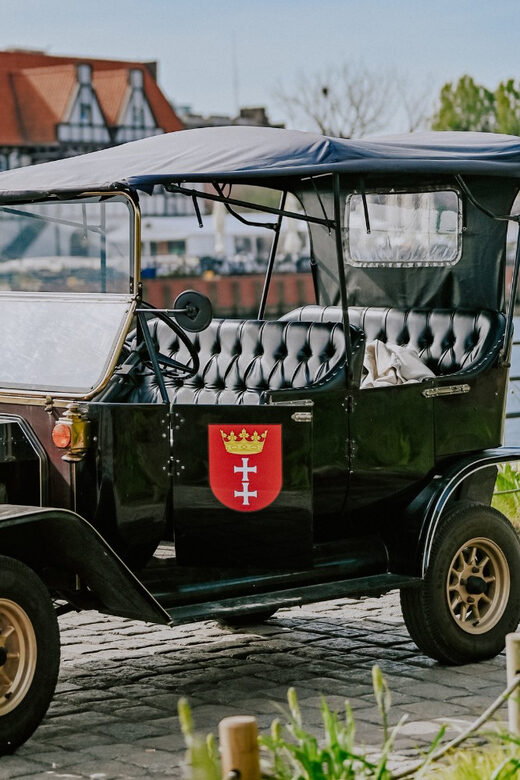
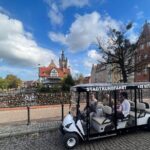
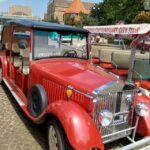
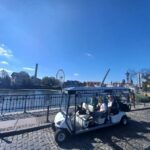
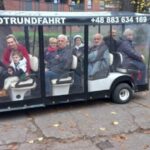
Ditch the map; grab the golf cart. In about an hour, this Gdańsk city run stacks major sights along the Royal Route and the riverfront, with a live guide in English and a driver who handles the steering and navigation for you. I like the time-saving hit list of landmarks, and I also like that the guide builds stories around what you’re actually seeing, not just generic talking points.
The only real tradeoff: the stops are short, so you get orientation and context more than deep inside time at each building. If you want slow wandering, plan a second day to come back on foot.
In This Review
- Key highlights worth planning for
- Royal Route first: Długa Street and the Main Town Hall
- Golden Gate to the Sobieski Monument: symbols you’ll remember
- Medieval weapons and a crane story at Zuraw
- The Royal Chapel and St. Mary’s Church: church styles you can spot
- Motława riverfront and Wyspa Spichrzów: the port-city mood
- St. Bridget’s Church and Solidarity: one ticketed moment
- Final “photo stops” that help you orient: mills, bridges, and stations
- Pickup, mobile tickets, and how the ride actually feels
- Price and value: what $30.92 buys you in real time
- Who this golf cart tour suits best
- Final decision: should you book this one?
- FAQ
- FAQ
- How long is the Gdańsk City Tour by golf cart?
- Is the tour in English?
- Does the tour include pickup?
- Are entrance fees included?
- Does the St. Bridget’s Church stop require advance notice?
- How big is the group?
- What if the weather is bad or I need to cancel?
Key highlights worth planning for
- Fast landmark checklist in a single ride: you cover the Royal Route plus waterfront stops without hunting addresses.
- Private feel for your group: it’s listed as private, with a maximum size of 21.
- English live guide and a driver who navigates: you spend less time figuring out routes and more time looking.
- Mostly free stop admissions: many major sights are marked with free admission time.
- St. Bridget’s Church includes a ticket: plan ahead because the guide needs notice to arrange the church visit.
- Waterfront and harbor-culture moments: the Motława river and crane history give the tour more than just architecture.
Royal Route first: Długa Street and the Main Town Hall
This tour is built like a shortcut through Old Town Gdańsk. You start on Długa Street (Długi Targ is nearby, but this one is the famous long royal stretch), where the guide points out a house rebuilt in the 1990s to match how it looked before 1945. Next to that, you’ll be able to see the one building that survived WWII—an example of how Gdańsk uses restoration to keep the past readable.
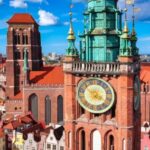
From there, you swing to the Main Town Hall area, where the focus is the Main Town Hall and the Museum of Gdańsk. Even if you only have a few minutes, the point here is to clock the layout of the square and appreciate the architecture in context: this is the kind of place where trade, politics, and pride all lived side by side.
One more quick “wow” stop fits right in: the Katownia. This is the old torture house and prison tower area, where the guide’s job is to make the building make sense. In a short time, you get the feel of how punishment and power worked in the old city, not just a list of dates.
Other golf cart and buggy tours in Gdansk


Golden Gate to the Sobieski Monument: symbols you’ll remember
After the prison stop, you pass Langgasser Tor, known as the Golden Gate. It’s a classic entry point into the main royal street, and it makes a great anchor because your photos and mental map will be clearer after you see this gateway.
Then the tour turns to the outside-sight monuments: the Jan III Sobieski monument, tied to the Battle of Vienna. It’s one of those stops that’s brief on the schedule, but useful if you’re trying to connect Gdańsk to wider European events without taking a separate history day.
If you like “why this matters” explanations, this is where the guide’s approach really helps. You’re not only seeing a statue; you’re seeing the way Poland remembers big turning points.
Medieval weapons and a crane story at Zuraw
Next up is the Great Armoury (Wielka Zbrojownia). You get a short look at the medieval weapons and the building’s architecture, which is exactly the right combo for a one-hour format. Instead of trying to cover everything, the tour gives you enough to know what this building is for, and why it mattered in a port city that needed to defend its wealth.
Then comes one of the most distinctive stops: Zuraw miniatura. This is about the oldest harbor crane in Europe and how the power worked. For a lot of visitors, harbor cranes are just “old machinery.” Here, you’ll get the idea of how the port functioned and why lifting ships’ cargo was its own kind of technology.
You also pause at the Swietopelk II monument, a reminder that Gdańsk has a deep local leadership story. The stop is short, but it helps you avoid treating the city as only a collection of pretty buildings.
The Royal Chapel and St. Mary’s Church: church styles you can spot
The Royal Chapel (Kaplica Krolewska) is one of those stops where the guide’s directions matter. It’s highlighted for its Baroque style, and the value isn’t only the building itself—it’s learning how to recognize what changes from one chapel to another.
Then you hit St. Mary’s Church. The tour frames it as the biggest Gothic church in the world made of brick, and that’s a big claim worth paying attention to. Even with limited time, you can see why brick Gothic is such a defining look here, and you’ll start noticing the material choices that make these churches feel sturdy and “built to last,” not delicate.
If your head is already spinning from names, the trick is to use these stops as visual landmarks. After this, when you walk around independently, you’ll recognize the church silhouette faster and understand what you’re seeing.
Motława riverfront and Wyspa Spichrzów: the port-city mood
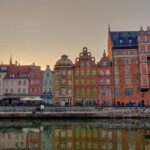
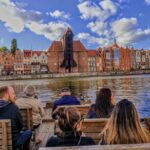
After the church stops, the tone shifts toward the water. You’ll visit the Motława River Embankment (Długie Pobrzeże), where the guide ties the look of the river to port life in medieval times. This is more than scenic—this kind of stop helps you understand why Gdańsk grew where it did and why the city’s wealth had a geographic rhythm.
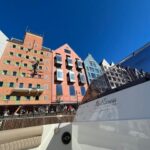
Next you get Wyspa Spichrzów, often described as the granaries island area. Here you see how the port stored goods and how the city’s working side sits alongside today’s look. It’s a useful contrast stop in a tour this short: it tells you that Gdańsk isn’t only about beauty, it’s also about function.
Other guided tours in Gdansk
St. Bridget’s Church and Solidarity: one ticketed moment
The tour includes St. Bridget’s Church (Kościół św. Brygidy) with an admission ticket included, and you’ll spend about 10 minutes there. This stop is specifically framed around the Solidarity movement starting in this kind of space, and it also highlights amber art inside the church.
There’s an important planning note: you’re asked to let the operator know in advance so the guides can plan the church visit. If you’re traveling with tight timing, don’t wait until the last minute—this is one place where logistics can affect what you actually see.
If you care about modern history as well as medieval old town, this is the stop that connects Gdańsk’s layers. It takes you from stone and brick to a story that still matters.
Final “photo stops” that help you orient: mills, bridges, and stations
Near the end, you’ll get a quick stop at The Great Mill, designed to show the jobs in a mill and the history of the first water mill in the city. The time is very short, but it’s a good counterpoint to the harbor crane story: both are about how energy and labor moved goods and kept the city working.
Then you have several lighter stops designed for quick looks and photos: a Bridge of Love, an oldest church in the city, and the beauty of Central Station. The descriptions are brief, but these are exactly the kind of “orientation checkpoints” you want in a short tour. They help you leave with a mental route you can actually follow the next day.
Pickup, mobile tickets, and how the ride actually feels
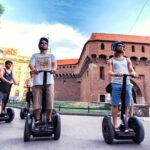
This is a comfortable golf cart setup, and the tour includes pickup. You start at Pocztowa, Gdańsk, Poland, and it returns you there at the end, so you don’t have to worry about re-matching transit routes.
Pickup details require confirming the address in advance. You’ll also want to wait in the lobby about 10 minutes before pickup, because these tours run on time and the carts don’t hang around indefinitely.
The tour uses mobile tickets, and the guide is offered in English. It’s also listed as near public transportation, with service animals allowed, and most people can participate.
The private setup matters here. Even with a maximum group size of 21, you’re not stuck watching a busload from the sidewalk. You stay together, the guide keeps you moving, and you get that “we’re here for this route” feel.
Price and value: what $30.92 buys you in real time
At $30.92 per person for roughly 60 to 75 minutes, you’re paying for convenience and context, not a long museum day. The real value is that you get free or low-friction access to many major stops, plus a live guide to connect them.
Many of the stops are marked with free admission time, and the tour includes all fees and taxes. St. Bridget’s Church also has a ticket included, so you’re not hit with surprise add-ons for the one longer ticketed moment.
In plain terms: if you’re only in Gdańsk for a day, this tour helps you get your bearings fast and decide what deserves more time later. If you’re staying longer and you like slow wandering, you’ll still benefit, but treat it as your orientation day, not the whole trip.
Who this golf cart tour suits best
This tour fits best if you want:
- A quick, structured Old Town overview.
- Less time reading maps and more time seeing key sights.
- A guide who can give you story context you might miss on your own.
- A comfortable ride between locations where walking would take longer.
If you’re the type who loves to linger in churches and museums for long stretches, you’ll probably want extra time after this tour. The short stop times are great for learning what to prioritize next.
It’s also a solid choice for small groups who want a private feel without hiring a full-day driver. The format keeps everyone together and moving.
Final decision: should you book this one?
Book it if you want a smart, efficient tour that covers the main sights quickly, with English live guiding, pickup, and mostly free stop access. It’s a good way to understand how Gdańsk works as a city—royal streets, port machinery, church stories, and modern memory—without needing a half-dozen guidebooks.
Skip it or pair it with extra time if you know you want deep entry time at churches and museums. For a one-hour format, you’ll get the highlights and the connections, not a slow, thorough visit of every site.
FAQ
FAQ
How long is the Gdańsk City Tour by golf cart?
It runs about 1 hour to 1 hour 15 minutes.
Is the tour in English?
Yes. The tour is offered in English, with a live guide.
Does the tour include pickup?
Pickup is included, but you need to contact the operator to confirm the pickup address. You should wait in the lobby 10 minutes before pickup.
Are entrance fees included?
All fees and taxes are included. Many stops are listed with free admission time, and the St. Bridget’s Church visit has an admission ticket included.
Does the St. Bridget’s Church stop require advance notice?
Yes. You’re asked to let the guides know before the trip so they can plan the church visit.
How big is the group?
It’s private for your group, with a maximum of 21 travelers.
What if the weather is bad or I need to cancel?
The experience requires good weather. If it’s canceled due to poor weather, you’ll be offered a different date or a full refund. You can cancel for a full refund up to 24 hours in advance.