REVIEW · GDANSK
Gdansk Highlights Bicycle Tour
Book on Viator →Operated by Poland By Locals · Bookable on Viator
A bike tour is the fastest way to understand Gdańsk. In just about three hours, I love how the route packs major sights into an easy rhythm of short stops for photos and clear context from a local guide. I also like that you don’t just “look around” you ride to places tied to the city’s rebuilding, the 1939 invasion, and the Solidarność era. The one catch: you’ll be cycling in a real city with cars and tourist traffic, so you should feel comfortable staying alert.
This is a small-group tour capped at 15 people, so the guide can keep things moving without turning it into a conga line. You’ll likely cycle at a relaxed pace with plenty of time to ask questions (and some guides even bring humor and role-play moments). If you hate bikes in busy areas, this may feel like more stress than sightseeing.
In This Review
- Key Highlights Worth Showing Up For
- Why This Gdańsk Highlights Bike Tour Gets You Oriented Fast
- Price and Value: What About $43 Really Covers
- Start Time, Meeting Point, and the “Feel” of the First 15 Minutes
- Neptune’s Fountain to Golden Gate: Old Town Landmarks With a Backstory
- Quick practical note
- St. Mary’s Church: The Brick-Gothic Anchor You Can Actually Understand
- WWII at the Polish Post Office Museum: What the City Remembers
- Gdańsk Shipyard: Communism-Era Power on Display
- Sala BHP and Solidarność: The Strikes That Changed Poland
- Why this stop is so valuable
- Ołowianka Old Port and Dolne Miasto: Views and a Cooler Pace
- St. Gertrude Bastion: A Fortification Stop That Explains the City’s Shape
- Bikes, Safety, and What to Expect From the Ride
- Who This Tour Is Best For (and Who Should Think Twice)
- Should You Book This Gdańsk Highlights Bicycle Tour?
- FAQ
- How long is the Gdańsk highlights bicycle tour?
- Where does the tour start?
- Is the tour offered in English?
- What’s the group size?
- Is this tour suitable if I’m not a strong cyclist?
- Are admissions included for the stops?
- What if the weather is bad, or I need to cancel?
Key Highlights Worth Showing Up For
- Small group size (max 15) keeps the tour personal and manageable on busy streets
- Multiple major “why it matters” stops: Neptune’s Fountain, Golden Gate, St. Mary’s Church
- WWII and Solidarność storytelling in plain language, including the Museum of the Polish Post Office and Sala BHP
- Shipyard-focused route that connects Gdańsk’s communist-era power with the strikes that changed Poland
- A practical, photo-friendly format with frequent short pauses and time to regroup
Why This Gdańsk Highlights Bike Tour Gets You Oriented Fast
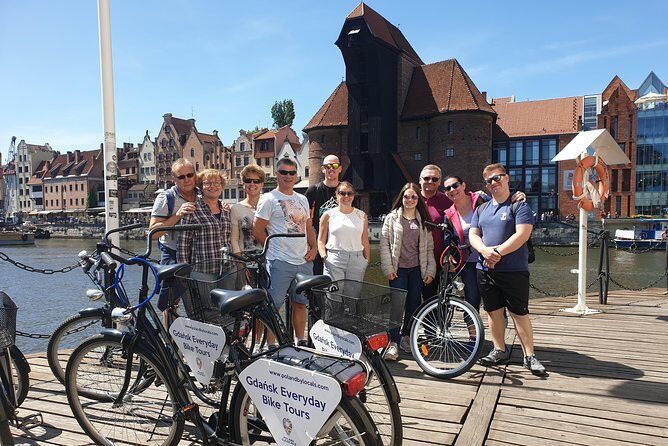
Gdańsk can look postcard-perfect, but the deeper story takes a bit of stitching. This tour is built to do that stitching for you while you’re moving—so you finish with a mental map and a sense of why each landmark exists, not just what it looks like.
The format matters: you ride, you stop, you hear a focused explanation, and then you pedal on. That keeps the pace lively and helps you remember details later when you’re walking the same streets on your own.
Other bike tours in Gdansk
Price and Value: What About $43 Really Covers
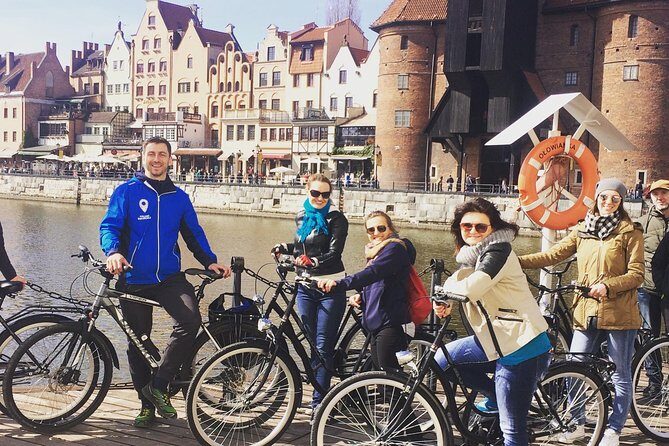
At around $43.18 per person for roughly three hours, you’re paying for three big things: guided interpretation, efficient transport by bike, and admission-free access at the listed stops. Every main stop on the planned route shows as ticket-free, so you’re not getting hit with surprise entry fees while you’re already paying for the tour.
You also get small-group handling (up to 15 people) and a mobile ticket, which cuts down on standing around. In Gdańsk, where you can easily spend hours bouncing between far-apart sights, the bike time is a real value.
Start Time, Meeting Point, and the “Feel” of the First 15 Minutes
The tour begins at 10:00 am at Poland By Locals, in the Chlebnicka area (Chlebnicka 19/20, 80-830 Gdańsk). You cycle from there and return to the meeting point at the end, which makes planning your afternoon simple. No awkward “where do we end up” guessing.
Once you’re rolling, the tour’s character becomes clear: it’s active, but it’s not a grind. You’re here to connect landmarks with meaning, and you’ll keep that momentum through regular stops.
Neptune’s Fountain to Golden Gate: Old Town Landmarks With a Backstory
Early on, you’ll hit the kind of sights that help you instantly recognize you’re in Gdańsk. Neptune’s Fountain is your first big orientation cue, giving you a clean entry point to the city’s identity and how its public spaces work.
Next comes the Golden Gate (Złota Brama). This is one of those spots where the visuals are great, but the real value is the context: you’ll hear how Gdańsk rebuilt after World War II and why the reconstruction carries a 17th-century style influence. It’s a helpful reminder that what you see now is layered—old forms, newer realities.
Quick practical note
These are classic photo zones, so you’ll want to be comfortable stopping briefly and sharing space with pedestrians and other visitors.



St. Mary’s Church: The Brick-Gothic Anchor You Can Actually Understand
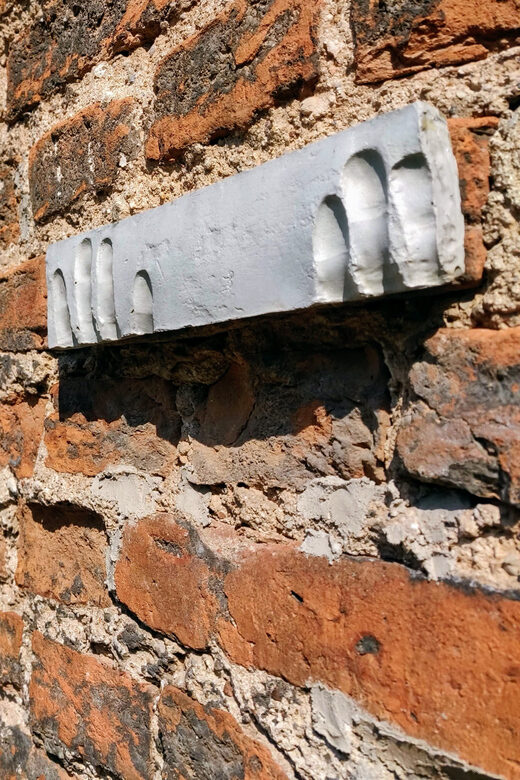
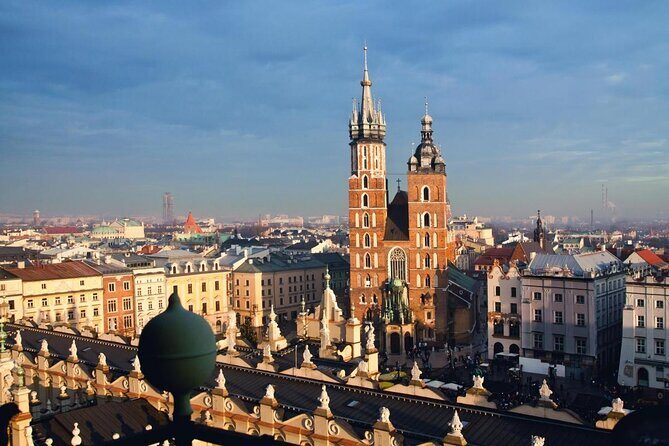
St. Mary’s Church is a headline stop for a reason: it’s described as the biggest brick church in the world. When a landmark has that kind of scale, a guided explanation helps you read the building instead of just admiring the exterior.
The stop is short—about five minutes—but it’s long enough to connect the church to the broader city character. In Gdańsk, church architecture and urban history are tied tightly, and this is one of the clearest “anchor points” on the route.
If you like architecture, you’ll find this kind of stop ideal. If you want a full hour to explore inside, you’ll probably use this tour as a teaser and then return later on your own.
WWII at the Polish Post Office Museum: What the City Remembers
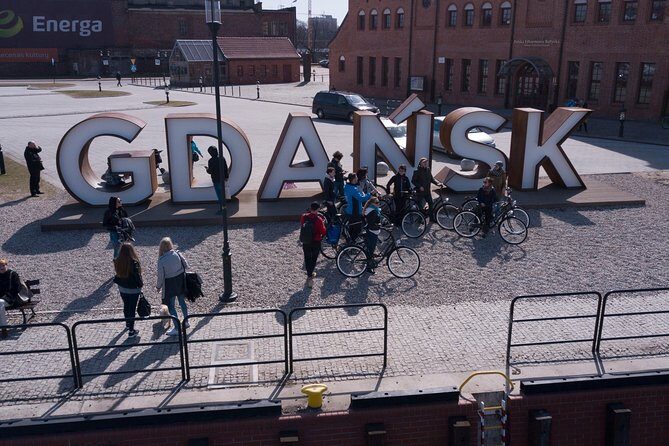
The Museum of the Polish Post Office is where the tour shifts from monuments to memory. The stop is around ten minutes, and the focus is on WWII history—what it was like in real terms and why the post office became such a meaningful place in the story of the city.
This stop works well on a bike tour because it doesn’t require you to commit an entire half-day to a museum. You get the narrative spark, and you can decide afterward if you want more time there. Just be ready for the topic to be serious; this isn’t a light-sounding detour.
Gdańsk Shipyard: Communism-Era Power on Display
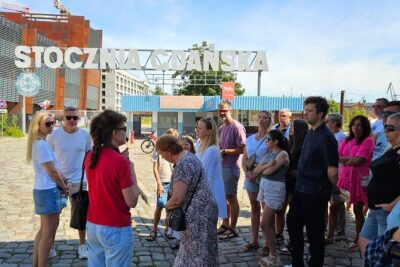
After the WWII-focused stop, you’ll ride toward the Gdańsk Shipyard, meeting history where it actually happened. The tour frames the shipyard as a powerful state company during communist times, and that context matters because the shipyard wasn’t just an industry—it was part of the political engine of the era.
You’ll spend about ten minutes here, which is enough time to understand the role of the shipyard without drowning in detail. It’s also a visual experience: large-scale industrial spaces tend to make the story feel concrete.
From what’s shared by past guides, the shipyard piece is often the moment where people realize Gdańsk isn’t just pretty facades—it’s a city shaped by labor, conflict, and change.
Sala BHP and Solidarność: The Strikes That Changed Poland
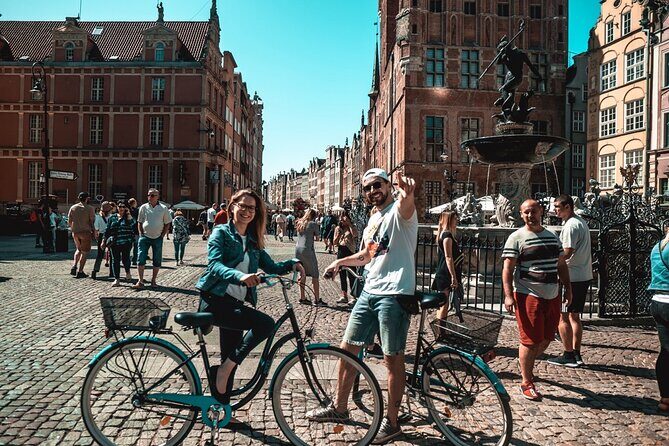
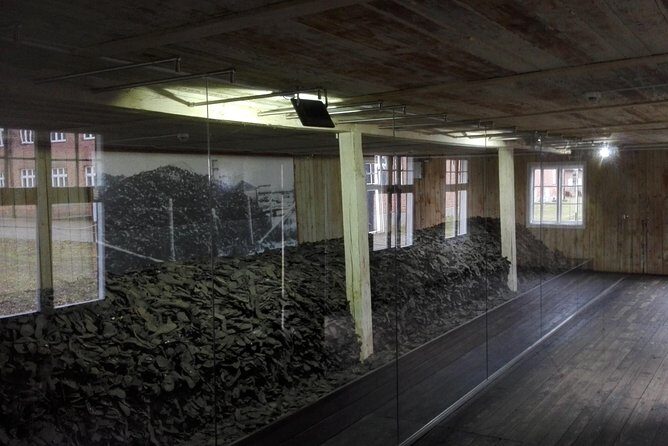
One of the most talked-about parts of the tour is the Sala BHP stop, about fifteen minutes. This is where the story becomes intensely specific: you’ll learn about Solidarność, major strikes in history, and who Lech Wałęsa was and how Poland shifted away from the communist regime.
This is the kind of stop where a good guide changes everything. Some guides—like Lukas, Patrick, Kasper, Bożena, or Olga—are described as relaxed, friendly, and tuned into group questions. You’ll likely get short, clear explanations rather than a lecture, which makes the complicated parts easier to follow while you’re still cycling through the city.
Why this stop is so valuable
You’ll understand how an industrial center became a political force. Once you grasp that, the rest of your Gdańsk trip makes more sense, from monuments to neighborhoods.
Ołowianka Old Port and Dolne Miasto: Views and a Cooler Pace
After the heavy history, the route turns more scenic. You’ll pass Ołowianka B&B and see the Gdańsk Old Port area, which gives you breathing room and a chance to take pictures with the water and harbor setting. This stop is short (around five minutes), but it helps your brain reset before the final fortification segment.
Next comes Dolne Miasto, explored for about ten minutes. This area is described as the original district of Gdańsk with a greener feel, and it’s a nice contrast to the more central landmarks. It’s also a reminder that Gdańsk isn’t only about Old Town highlights—there’s a living city around them.
If you like urban texture—less “tourist core” and more everyday space—this is the segment where you’ll feel it.
St. Gertrude Bastion: A Fortification Stop That Explains the City’s Shape
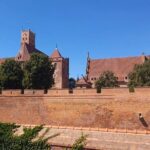
The tour finishes with St. Gertrude Bastion, about ten minutes. You’ll get the sense of the city’s older defensive layout, since this is an original fortification from the 17th century.
Bastions don’t always look exciting from afar, but on a bike tour you’re seeing them in relationship to streets and water. That makes the fortification feel like part of city planning, not just a random old wall.
By the time you roll back to the meeting point, you’ll have a stronger mental map of where the old city edges were—and how Gdańsk grew around those boundaries.
Bikes, Safety, and What to Expect From the Ride
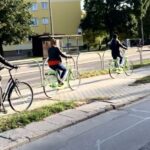
The tour is designed for active sightseeing, and most people can participate. In practical terms, that means the ride is paced for general comfort and not framed as a fitness challenge. There are also mentions of easy cycling and a flatter city feel in how people describe the experience.
Still, don’t treat this like a casual Sunday cruise. Gdańsk is busy. You should be comfortable riding while staying alert around cars, other cyclists, and tourist groups.
Here’s what I’d plan for:
- Wear shoes you can pedal in comfortably.
- Bring sunglasses and weather protection since conditions can change.
- If helmets matter to you, there are mentions of helmet availability.
If you’re unsure about your comfort level on city streets, it’s smart to take a moment before departure to ask the guide about the route style and how they manage safety.
Who This Tour Is Best For (and Who Should Think Twice)
I’d put this tour at the top of your list if you want a guided intro to Gdańsk that covers both the pretty highlights and the hard historical chapters. It’s also a strong choice if you like meeting landmarks in sequence—fountains, gates, churches, then WWII and labor history—so the story builds as you go.
It’s a good match for:
- First-time visitors who want orientation fast
- Travelers who prefer biking over long walking routes
- Friends and families who want an engaging shared activity
- History-minded people who like explanations tied to real places
It might be less ideal if you:
- Strongly dislike cycling in traffic-heavy areas
- Want extended museum time instead of a concise tour format
- Prefer quiet, slow sightseeing with fewer stops
Should You Book This Gdańsk Highlights Bicycle Tour?
If your goal is to understand Gdańsk in a short window, I think this is a smart booking. The route hits the city’s “signature” landmarks, then moves into the WWII and Solidarność story in ways that fit a three-hour schedule. You also get a small group and free admission at the planned sites, which makes the value feel straightforward.
Book it if you’re comfortable riding and want a guide who can connect the dots without turning it into a nonstop lecture. If you’re cautious on bikes, plan to go slow when needed and lean on the guide for safety cues.
FAQ
How long is the Gdańsk highlights bicycle tour?
It runs for about 3 hours.
Where does the tour start?
It starts at Poland By Locals in Gdańsk, at Chlebnicka 19/20, 80-830 Gdańsk. The tour ends back at the meeting point.
Is the tour offered in English?
Yes. The tour is offered in English.
What’s the group size?
The tour has a maximum of 15 travelers.
Is this tour suitable if I’m not a strong cyclist?
Most travelers can participate, and people describe the ride as not physically challenging. You should still feel comfortable cycling and staying alert in a busy city.
Are admissions included for the stops?
The planned stops are listed as admission ticket free.
What if the weather is bad, or I need to cancel?
The experience requires good weather. If it’s canceled due to poor weather, you’ll be offered a different date or a full refund. You can cancel for a full refund up to 24 hours in advance.