REVIEW · GDANSK
Gdansk European Solidarity Centre Guided Tour
Book on Viator →Operated by todo.travel · Bookable on Viator
Solidarity has a soundtrack in Gdansk. This guided visit to the European Solidarity Centre turns the story of the Solidarity movement into something you can actually follow, with museum time led by an expert. You’ll start at the shipyard worker memorial and finish back where you began, making it easy to plug into a day of walking around Old Gdansk.
Two things I really like: first, you get admission included (so you’re not juggling tickets while everyone else moves on). Second, the tour is led in English and runs with a small group size (up to 25), which helps the guide keep the pace clear and questions manageable.
One consideration: this experience depends on good weather. If weather cancels it, you’ll be offered a different date or a full refund, so keep an eye on the forecast if you’re planning a tight schedule.
In This Review
- Key highlights worth planning around
- Europejskie Centrum Solidarności: what the guided museum time is like
- Meeting at Plac Solidarności: setting the story at the 1970 memorial
- The 2.5-hour pace: what to expect from the flow
- Price and value: is $39.32 worth it?
- Small group size and how it affects your experience
- What to bring (and what not to worry about)
- Who this tour fits best
- Should you book the Gdansk European Solidarity Centre tour?
- FAQ
- Where does the Gdansk European Solidarity Centre guided tour start?
- How long is the tour?
- Is the museum admission included in the price?
- What language is the tour offered in?
- How many people are in the group?
- What does the price include and what doesn’t it include?
- Is the tour refundable if plans change?
Key highlights worth planning around
- A single, focused stop at the European Solidarity Centre keeps the experience concentrated instead of rushed.
- Admission + professional guide included for a straightforward value play.
- Up to 25 people max, which makes Q&A more realistic during a museum tour.
- English-only format, helpful if you don’t want to rely on translation apps in a dense topic.
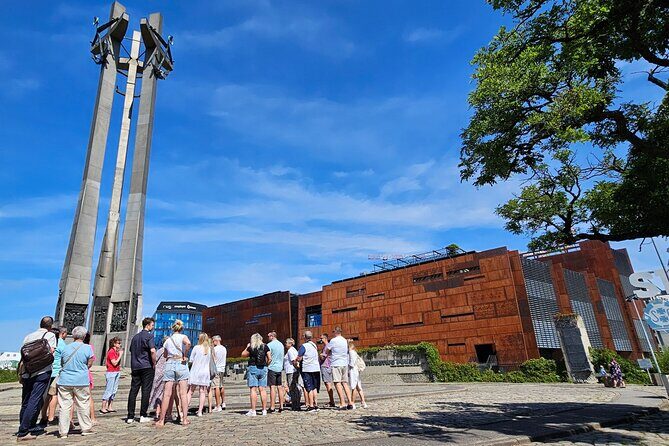
- Start at the Monument to the Fallen Shipyard Workers of 1970, so context hits before you even enter.
Europejskie Centrum Solidarności: what the guided museum time is like
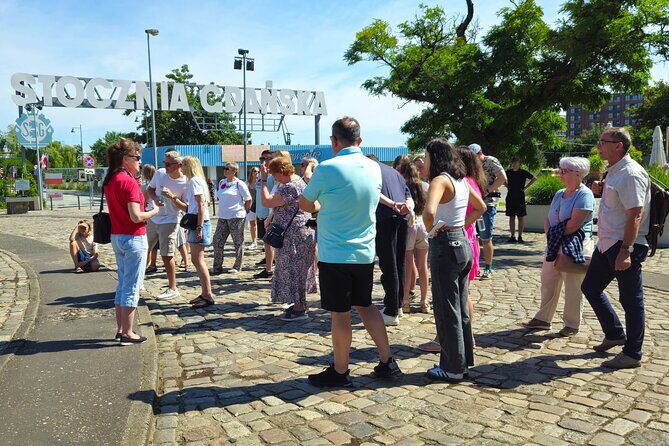
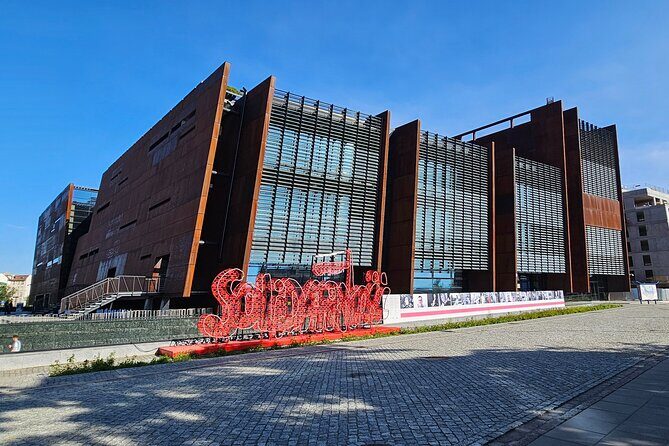
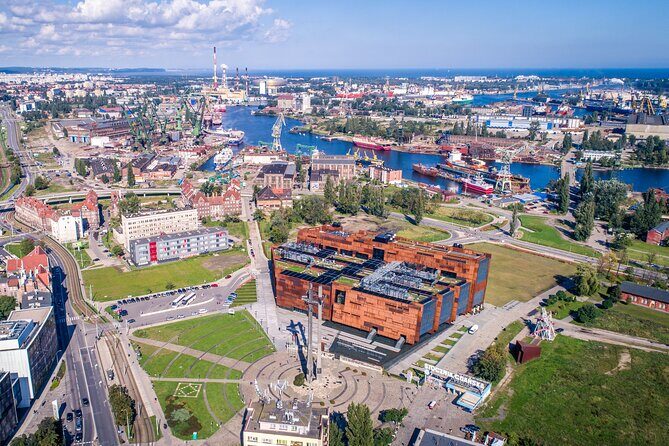
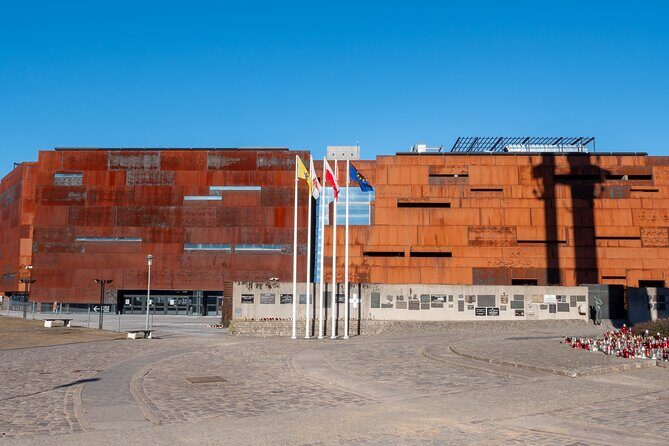
The European Solidarity Centre is modern and built to teach. Instead of treating Solidarity as distant politics, your guide helps you connect events, people, and turning points—so the museum feels like a guided timeline you can follow in real time.
The big win here is how a guide changes the museum experience. Without that structure, you can get stuck reading panels one by one and still feel like you missed the “so what.” With the guided format, you get a narrative thread: what led to the movement, why it mattered beyond Poland, and how ordinary people helped shift the course of history.
Also, it’s not a lecture-only setup. You’ll have enough time inside to look closely at the museum material while still staying on schedule. And since the tour is only one main stop, the guide can keep you moving with purpose rather than sprinting between sites.
Other Solidarity and communism-era tours in Gdansk


Meeting at Plac Solidarności: setting the story at the 1970 memorial
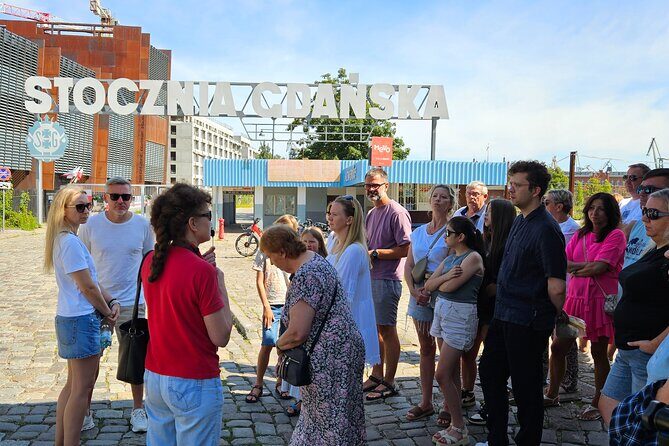
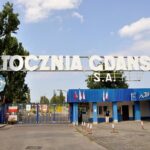
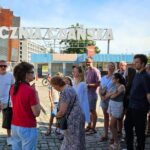
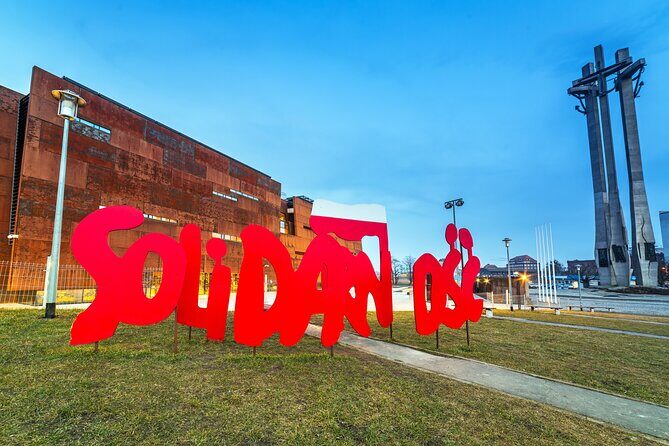
Before you enter the museum, you meet at the Monument to the Fallen Shipyard Workers of 1970 on Plac Solidarności. That location matters because it frames what you’re going to learn. You’re not starting with abstract “history.” You’re starting with a place that carries real memory.
If you like tours that start with place-based context, this is a good one. You get a sense of where the pressure came from, who was affected, and why shipyard workers became so central to the Solidarity era. It also helps you orient faster in Gdańsk, since this is a recognizable landmark area for exploring afterward.
The tour ends back at the meeting point, which is convenient. After 2 hours 30 minutes, you can continue on foot without figuring out a new endpoint.
The 2.5-hour pace: what to expect from the flow
The duration is listed at about 2 hours 30 minutes, which is a sweet spot for a museum tour. Long enough to understand the storyline, short enough that you won’t feel trapped for half a day.
Here’s how I’d plan your expectations: you’ll want to arrive a few minutes early so you’re not rushing into the group. Once you start, the guide keeps you moving through the most important sections of the museum. You can expect a clear sequence—think “what to notice” and “why this moment matters,” not just random facts.
One practical tip: since the tour includes the museum admission but not food or drinks, plan a snack or a drink before or after. Inside museums, water breaks help, especially when you’re listening carefully and reading too.
Price and value: is $39.32 worth it?
At $39.32 per person, this isn’t the cheapest option in Gdańsk, but it’s also not overpriced for what you get. The value comes from the combo: entry ticket included plus a professional guide for about 2.5 hours.
If you were to do it on your own, you’d still pay admission, and you’d be left figuring out the storyline from panels and your own research. Paying for the guide is what turns the museum into a connected experience—especially if your interest is in the Solidarity movement and how it fits into broader European change.
The English offering also adds value. In many cities, guided English tours cost more because the market is smaller. Here, the price stays in the realm of “worth it” for many visitors who want clarity without studying in advance.
Small group size and how it affects your experience
The tour caps the group at 25 people. That size is big enough that it’s easy to find an available slot, but small enough that the guide can still keep control of the room.
What I like about that balance is your attention stays on the museum content instead of getting lost in crowd noise. You also have a better chance of hearing answers to questions—because your guide can actually respond without talking to a wall of strangers.
This matters even more for a topic like this. Solidarity-related themes can overlap: politics, labor, civil resistance, and the shift from everyday life into collective action. A smaller group makes it easier to keep those threads straight.
Other guided tours in Gdansk



What to bring (and what not to worry about)
This tour is designed to be doable for most people. Service animals are allowed, and the meeting point is near public transportation, which helps if you’re mixing it with other stops in Gdańsk.
Food and drinks are not included, so don’t assume there’s a built-in break. Bring a light snack if you know you get hungry while reading. If you’re doing other walking that day, comfortable shoes are smart—the schedule is fixed, and you’ll be moving between points.
If weather is iffy, keep a backup plan in mind. The experience requires good weather, and poor conditions can trigger a cancellation with a different date or full refund offered. That’s normal for outdoor start points in this part of town, but it’s still worth tracking.
Who this tour fits best
This is a strong match if you:
- want an English-guided explanation rather than relying on self-guided reading
- like tours that start with context at a specific memorial site
- care about the Solidarity movement and how it connected to larger European change
It’s also a good choice if you’re short on time. Because it’s essentially one main stop, you get depth without trying to cram multiple attractions into the same window.
If you’re the type who prefers to wander freely with zero structure, you might prefer a self-paced museum visit. But if you enjoy having a narrative thread, the guide-led format is exactly where this tour earns its keep.
Should you book the Gdansk European Solidarity Centre tour?
I think it’s a solid book for most first-timers in Gdańsk who want a meaningful, well-structured museum stop. The biggest reasons are practical: admission is included, the tour is English-led, and the group stays small enough to keep the experience understandable.
Book it if you want clarity on Solidarity without doing extra homework first. Skip it if you’re determined to self-guide and you’d rather spend your money on other activities—because the real value here is the guiding thread, not the ticking off of multiple sites.
Either way, plan around the weather and build a little time before or after for a snack and an easy walk.
FAQ
Where does the Gdansk European Solidarity Centre guided tour start?
You start at the Monument to the Fallen Shipyard Workers of 1970, Plac Solidarności, 80-001 Gdańsk, Poland.
How long is the tour?
The tour lasts about 2 hours 30 minutes.
Is the museum admission included in the price?
Yes. Entry to the European Solidarity Centre is included, along with a professional guide.
What language is the tour offered in?
The tour is offered in English.
How many people are in the group?
The maximum group size is 25 people.
What does the price include and what doesn’t it include?
It includes admission to the European Solidarity Centre and the guide. Transportation, food, and drinks are not included.
Is the tour refundable if plans change?
Free cancellation is available. You can cancel up to 24 hours in advance for a full refund (based on the experience’s local time). The experience also requires good weather, and if it’s canceled due to poor weather, you’ll be offered a different date or a full refund.