REVIEW · GDANSK
Stutthof Concentration Camp and Museum of WWII: Private Tour
Book on GetYourGuide →Operated by Rosotravel Poland · Bookable on GetYourGuide
A day like this changes how you understand Poland’s WWII story. You visit Stutthof first, then move on to the Museum of the Second World War with a guide who keeps everything clear.
I love the calm structure of a private format: pickup from your accommodation in Gdansk, Sopot, or Gdynia, then a single expert guide driving the day so you don’t have to figure anything out. I also appreciate the practical touches like private car transfers and skip-the-ticket line entry. One drawback to consider: you’re walking and thinking through heavy material for most of the day, so it’s not a light sightseeing outing.
In This Review
- Key things that make this tour work
- Stutthof and the WWII Museum in one focused day
- Inside Stutthof: what you’ll see and how the story is explained
- A practical note on pacing
- The short Baltic Sea stop you’ll be glad for
- Museum of the Second World War in Gdansk: what makes it worth time
- Private transfers, skip-the-line tickets, and guide languages
- Small trust signals I look for
- Price, value, and who this private tour suits best
- Should you book this private WWII day trip?
- FAQ
- How long is the private tour?
- Where does pickup happen?
- What museums and sites are included?
- Is there a documentary included?
- Do I need to buy tickets in advance?
- What languages are available for the guide?
- Can I cancel for a refund?
Key things that make this tour work
- Stutthof first: you see the former camp site in context, then hear how the system functioned and what liberation meant
- What you actually get to see: prisoner barracks, the gas chambers, and museum exhibitions with guiding commentary
- Cinematic add-on: museum admission includes the cinema portion, not just galleries
- A take-home piece: you receive a copy of the documentary Stutthof Survivors
- Two stops, one smooth day: Stutthof, a quick Baltic Sea break, then the WWII museum in Gdansk
- Guide flexibility: live guide in multiple languages, with private group service available
Stutthof and the WWII Museum in one focused day
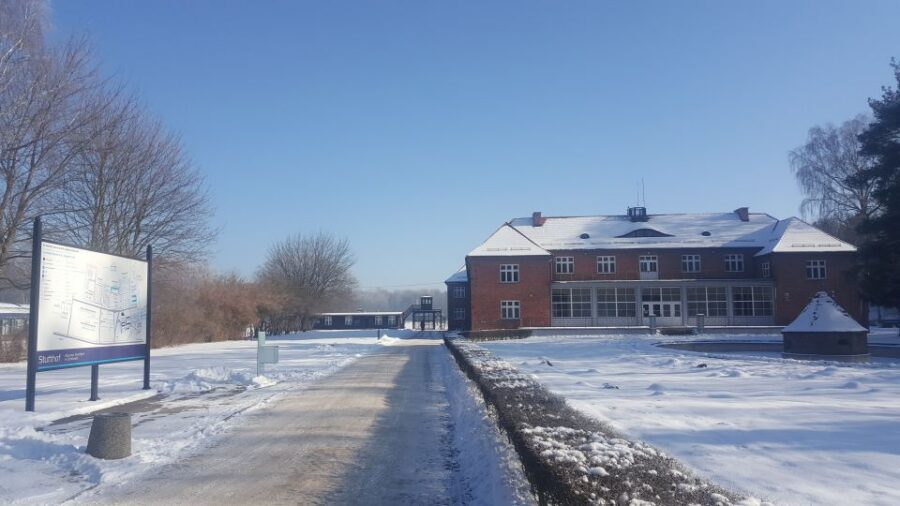
If you want Poland’s WWII story in one tight day, this is the setup that makes sense. You start at the Stutthof Concentration Camp Museum, described as the first camp of its kind built by the Nazis in Poland during World War II. Then you move to the Museum of the Second World War in Gdansk, which covers events and people across the war from beginning to end.
What I like about this pairing is how it keeps your thinking ordered. Stutthof anchors the story in human experience and local impact—how such a place affected the local population, and what the Holocaust in Poland meant in practice. Then the WWII museum widens the lens so the occupation and the larger chain of events fit together.
The private format matters here. A shared-group day can scatter attention when the subject is intense. With a private car and a live guide, you get a single thread through the morning and afternoon, plus the freedom to ask questions in the language you choose.
Expect a 7-hour day, with pickup included in the Tri-City area (Gdansk, Sopot, or Gdynia). Starting times depend on availability, so you’ll want to check those early if you’re on a tight schedule.
Other Stutthof Concentration Camp tours we've reviewed
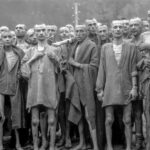
Inside Stutthof: what you’ll see and how the story is explained
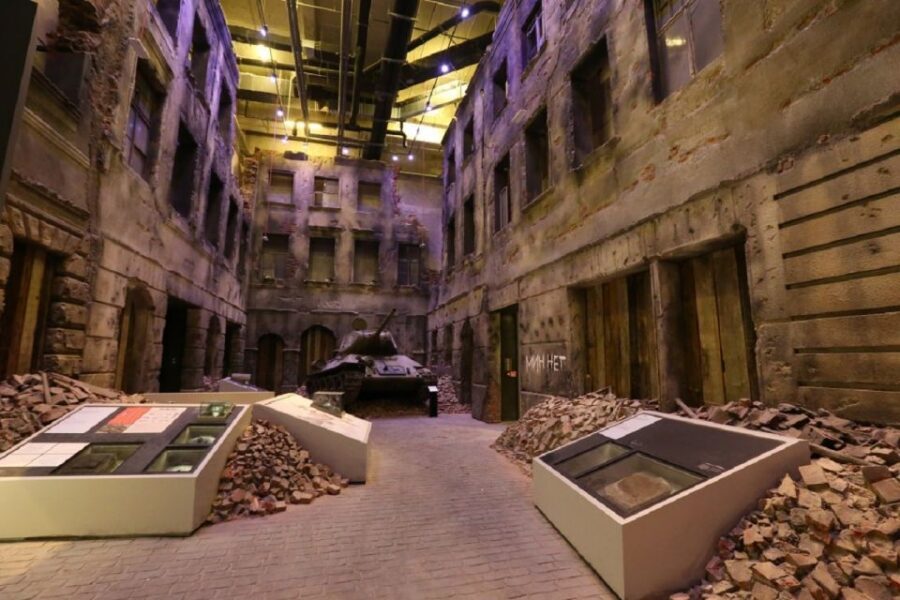
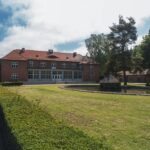
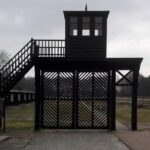
Stutthof is the kind of place where you can’t treat the visit like standard tourism. The value here is that the guide turns the site into a clear, guided narrative—how the camp worked, why it existed, and how it was liberated.
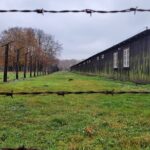
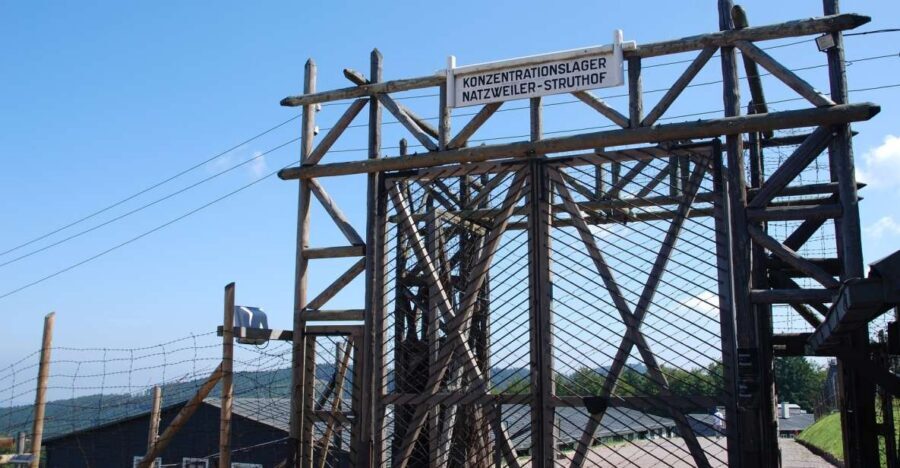
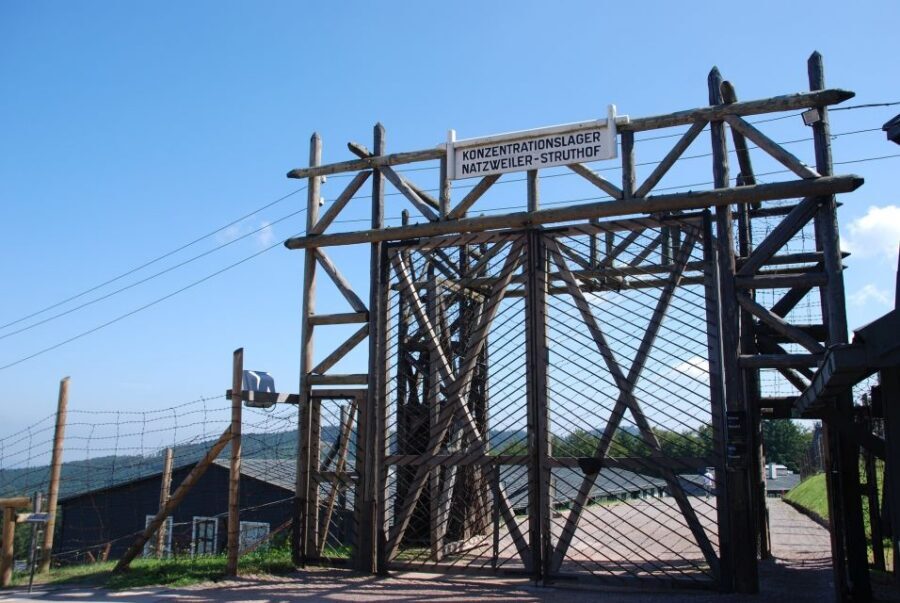
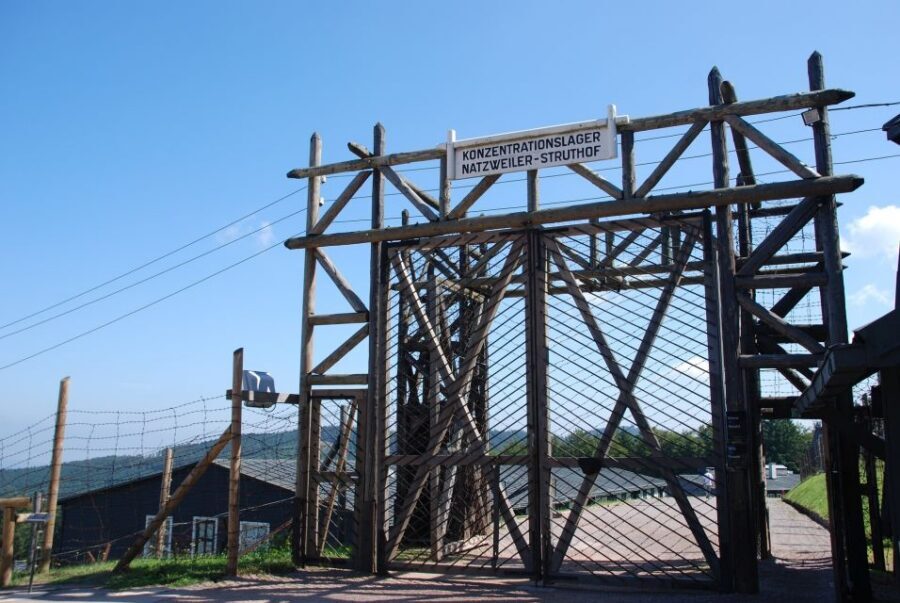
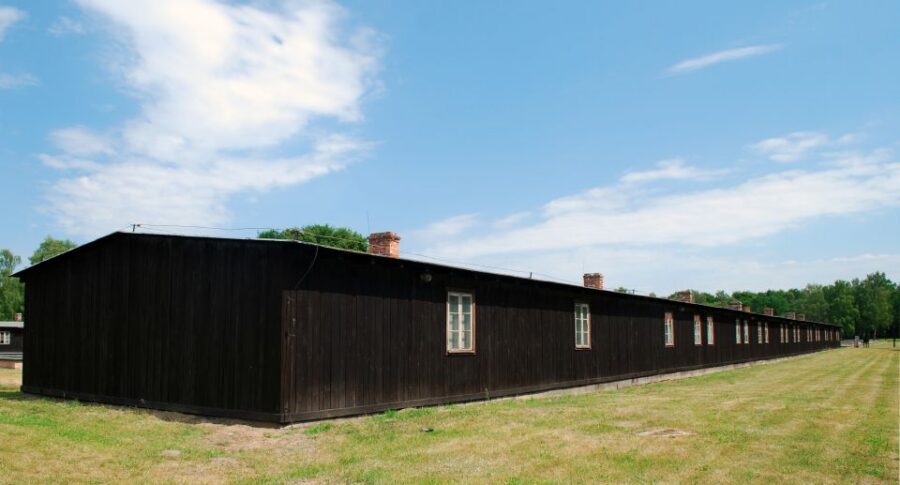
In the museum, you’ll spend time in exhibitions that explain the site’s history in detail. The highlights are specific and significant: you’ll see prisoner barracks and the gas chambers as part of the visit. Those are not just “stops.” They’re the physical reminders that make the history concrete.
You’ll also watch a short documentary as part of the museum experience. Along with the cinema admission, the tour includes a take-home item: a copy of the documentary Stutthof Survivors. That matters more than it sounds. When you leave a site like this, you often want something you can revisit later so your memory doesn’t turn vague or fragmented.
Another thing I appreciate is how the tour frames local consequences. The Holocaust in Poland isn’t presented as a distant headline. You get explanations of how these events affected people in the region—exactly the kind of context you want when you’re traveling in Poland and trying to understand what happened to real communities.
A practical note on pacing
Because the topic is heavy, the guide’s job is part interpretation and part pacing—keeping you oriented while also honoring the seriousness of the place. You should plan to slow down mentally even if the route feels straightforward on paper. This is one of those days where the “time in the car” doesn’t compensate for “time spent absorbing.”
The short Baltic Sea stop you’ll be glad for
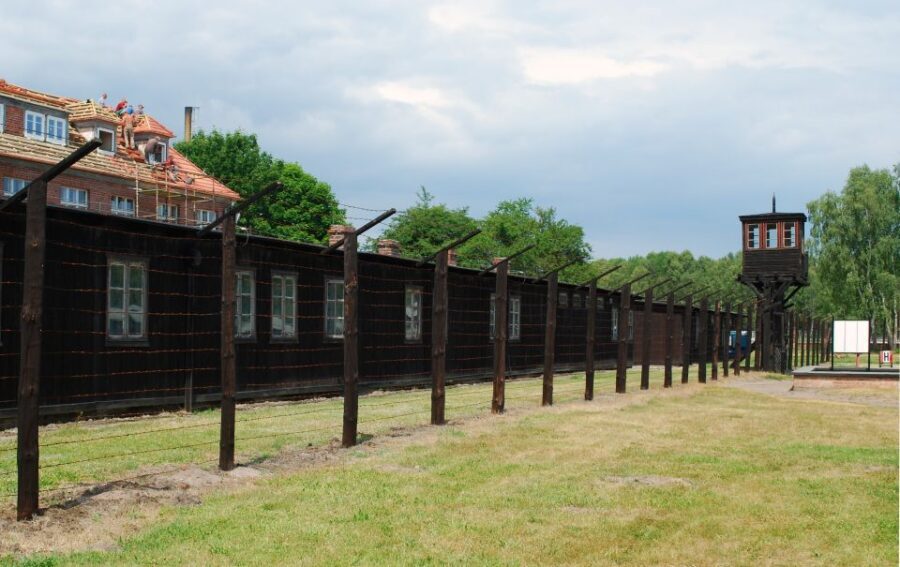
After Stutthof, the tour adds a nearby stop at a beach on the Baltic Sea. It’s not an entertainment detour; it’s a reset.
You’ll get a chance to switch your body into a different mode—fresh air, sights and sounds of the water, and a moment to let your brain catch up after the museum. I find these small breathing stops are what keep a history day from turning into a mental blur.
It also gives you a different kind of memory from the day. Stutthof stays with you because it’s specific and hard. The sea break helps you remember you’re in northern Poland too—Gdansk’s region, the coast, the atmosphere—so the day doesn’t feel like you left “real life” behind completely.
Even if you don’t plan to swim or take long walks, the beach stop can still be valuable. It’s the difference between arriving back in town numb versus back in town clear enough to process what you learned.
Museum of the Second World War in Gdansk: what makes it worth time
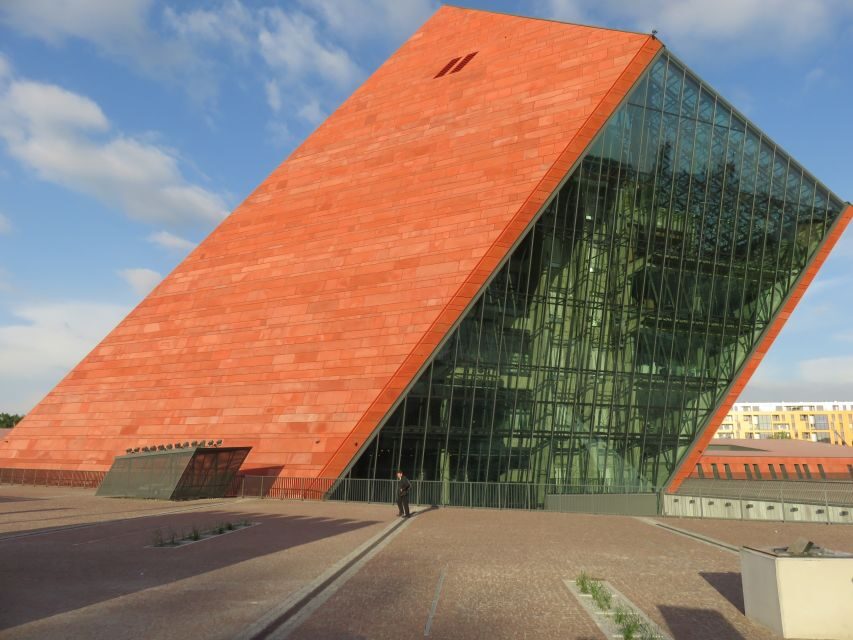
After the beach reset, you head to Gdansk’s Museum of the Second World War. This museum is described as a leading museum in its field, and the tour makes a point of covering the war’s sweep—from the beginning to the end.
In practical terms, that means you’re not just collecting facts. You’re building a timeline. The Holocaust in Poland and the German occupation of Poland connect directly to the broader war story, and a good guided tour helps you see how those pieces fit.
The museum visit includes a guided component, and you’ll get context about events and people involved in WWII rather than only focusing on one narrow angle. If Stutthof is the emotional anchor, this stop helps you understand the larger machinery that made places like Stutthof possible.
One smart detail in the way this day is structured: you don’t go from Stutthof straight into another room full of history without a transition. The beach stop and the fact that you have a guide for the entire day reduce the chance that the second museum visit feels like a repeat of the same type of information.
Other WWII history tours in Gdansk

Private transfers, skip-the-line tickets, and guide languages
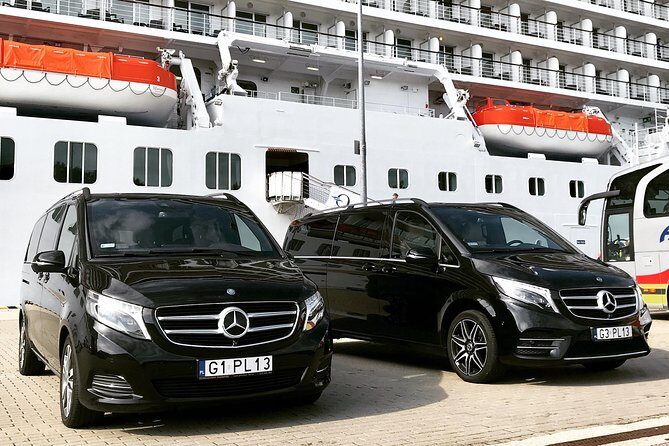
This is a logistics-friendly tour, and that’s not a small point. You get private car transfers with pickup and drop-off in Gdansk, Sopot, or Gdynia, including pickup at your accommodation or the cruise port in those areas.
That matters because Stutthof is outside central Gdansk. Without a private setup, you’d be coordinating transport, timing museum entries, and trying to keep the visit connected rather than chopped into pieces. Here, the schedule is built so you can focus on the experience instead of the mechanics.
You also get skip-the-ticket line entry. That helps on days when museums have normal visitor flow, and it keeps the day moving efficiently.
Guide language flexibility is another real advantage. The live guide can be Polish, English, German, Italian, Spanish, French, Russian, Norwegian, or Swedish. If you’re more comfortable asking questions in your chosen language, this is where the private format pays off.
Small trust signals I look for
- Licensed guide service
- Museum admissions handled as part of the tour
- Clear 7-hour structure, so you’re not stuck guessing when you’ll be done
When a tour is priced as a private day, you want it to feel organized. This one is built that way.
Price, value, and who this private tour suits best
The price is $445 per person for a private 7-hour tour. That’s not “cheap,” but it can be good value depending on how you travel.
Here’s how I think about it: you’re paying for (1) private transportation across the Tri-City area, (2) a licensed expert guide, and (3) admission to both the Stutthof museum (including cinema) and the Museum of the Second World War. You also get a documentary copy as a take-home item, plus the time cost is handled for you—7 hours with a plan.
If you’re traveling as a couple or a small group, the “per person” cost can feel more reasonable because you’re not splitting a guide with strangers. If you’re solo, it’s still a fair choice if you know you want someone to guide the experience carefully. For a subject like this, interpretation and pacing matter.
This tour is a strong fit if:
- You want a single-day program instead of juggling buses and museums on your own
- You care about understanding the Holocaust and German occupation in a grounded, Poland-specific way
- You prefer a guide who can explain the site’s function and historical meaning, not just read labels
It’s less ideal if:
- You’re looking for a casual, light day
- You want a mostly self-guided experience
- You have limited stamina for walking and museum time (Stutthof and museum spaces take mental focus)
A final value note: the documentary copy (Stutthof Survivors) is a nice “finish line.” You’ll leave with more than memories; you’ll leave with something you can return to when you want to keep learning.
Should you book this private WWII day trip?
I’d book it if you want the kind of day that actually connects the dots: Stutthof as the starting point, then Gdansk’s WWII museum to widen the lens. The private transfers, skip-the-line entry, and expert live guide make the day feel controlled and respectful, not improvised.
Skip booking only if you’re trying to avoid intense material or you’d rather travel at your own pace without a guide. Otherwise, for a 7-hour structured experience that combines careful interpretation with two major WWII sites, this is the sort of tour that earns its place on your itinerary.
FAQ
How long is the private tour?
The tour runs for 7 hours.
Where does pickup happen?
Pickup is included from your accommodation or the cruise port in Gdansk, Gdynia, or Sopot.
What museums and sites are included?
The tour includes the Stutthof Concentration Camp Museum and the Museum of the Second World War in Gdansk, with admissions included.
Is there a documentary included?
Yes. Admission to Stutthof includes cinema, and you’ll also receive a copy of the documentary Stutthof Survivors.
Do I need to buy tickets in advance?
No. The tour includes admission and provides skip-the-ticket line access.
What languages are available for the guide?
The live guide is available in Polish, English, German, Italian, Spanish, French, Russian, Norwegian, and Swedish.
Can I cancel for a refund?
Yes. Free cancellation is available up to 24 hours in advance for a full refund.