REVIEW · GDANSK
Gdańsk: World War II Tour
Book on GetYourGuide →Operated by Poland By Locals · Bookable on GetYourGuide
Gdańsk hits hard when you walk it with a guide. This WWII-focused private tour connects the early crisis on the Baltic to the city’s 1945 end, using places like Westerplatte and the Polish Post Museum to tell the story through Polish eyes. I like that the pacing is tight (210 minutes) and the guide brings the places to life without turning it into a textbook.
What to keep in mind is that this is still a walking-and-coordination experience, and it is not suitable for people with mobility impairments. If the weather turns sour, you will feel it, so plan for real outdoor time.
In This Review
- Key takeaways before you go
- Where WWII Begins on the Baltic Coast
- Private Pickup in Gdańsk: Less Hassle, More Story Time
- Westerplatte for 60 Minutes: Where the Opening Days Felt Real
- Museum of the Polish Post: War as Daily Life, Not Just Battles
- Main City Walk for 60 Minutes: From Free City to the 1945 End
- The Guide Makes It Personal: Bożena, Roxana, and Sebastian
- Price and Value at $195: What You Get for the Money
- Weather, Walking, and Who This Works Best For
- Should You Book This Gdańsk WWII Tour?
- FAQ
- Where does the tour start?
- How long is the tour?
- What stops are included?
- Is transportation included?
- What languages is the guide available in?
- Is this a private tour?
- Is it suitable for people with mobility impairments?
- What should I bring?
- How much does it cost?
Key takeaways before you go
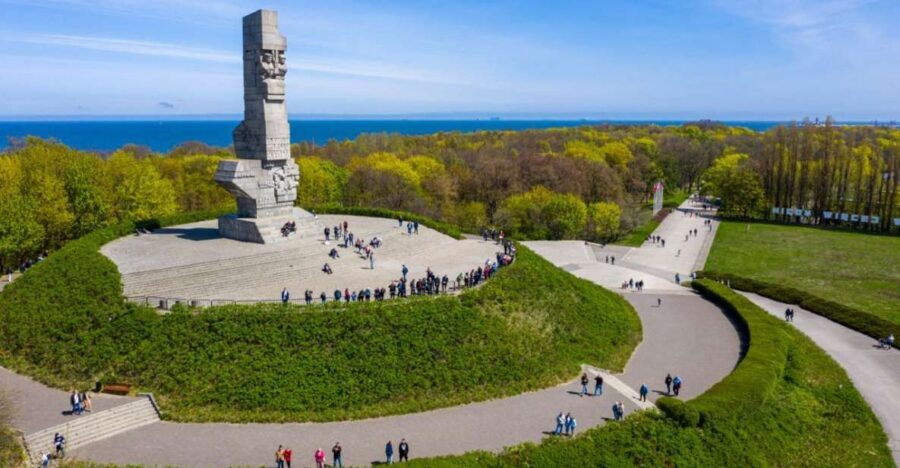
- Westerplatte (1 hour guided): See where the opening days of the conflict became real.
- Polish Post Museum (30 minutes guided): A tighter lens on wartime life and communication.
- Main City walk (1 hour guided): A guided arc from the Free City period to the 1945 aftermath.
- Pickup + drop-off in Gdańsk: Saves you stress and helps you start on time.
- English or Polish live guide: You get a human voice for the details, not just plaques.
- Private group: Easier to ask questions and adjust to your pace within the time window.
Where WWII Begins on the Baltic Coast
Gdańsk is one of those places where history isn’t in the distance. It is in the street lines, the harbor setting, and the way the story has to be told in layers. Even though the early war years didn’t start with Gdańsk being hit by military operations right away, the city still sat at the center of rising tension—and then faced a heartbreaking finale in 1945.
What I like most is the angle. This is not a generic war overview. You focus on the story as seen through Poland’s experience, with multiple nations, heroes, and very human tragedies shaping what happened next. You get a sense of why this port city mattered, and why “a war starting somewhere else” still reached Gdańsk like a storm front.
The experience stays grounded in real locations. You’ll connect early stakes to later outcomes as the guide moves you through the Free City of Gdańsk era and the push toward the 1945 end of the war.
Other WWII history tours in Gdansk
Private Pickup in Gdańsk: Less Hassle, More Story Time
This tour is set up around convenience. You get pickup and drop-off at your accommodation or a central location in Gdańsk, plus transportation in a car or minivan. That matters because WWII sites are spread out enough that DIY logistics can chew up your best hours.
The private group format also changes the vibe. In a smaller setting, a guide can pace the conversation around what you care about—names, timelines, what a location means, or how events connect. If your brain likes order, you’ll appreciate the structured progression through the key moments.
Your guide is live in English or Polish, and there is water included. That sounds small, but when you’re outdoors and listening closely, it helps you stay focused instead of hunting for breaks.
Westerplatte for 60 Minutes: Where the Opening Days Felt Real
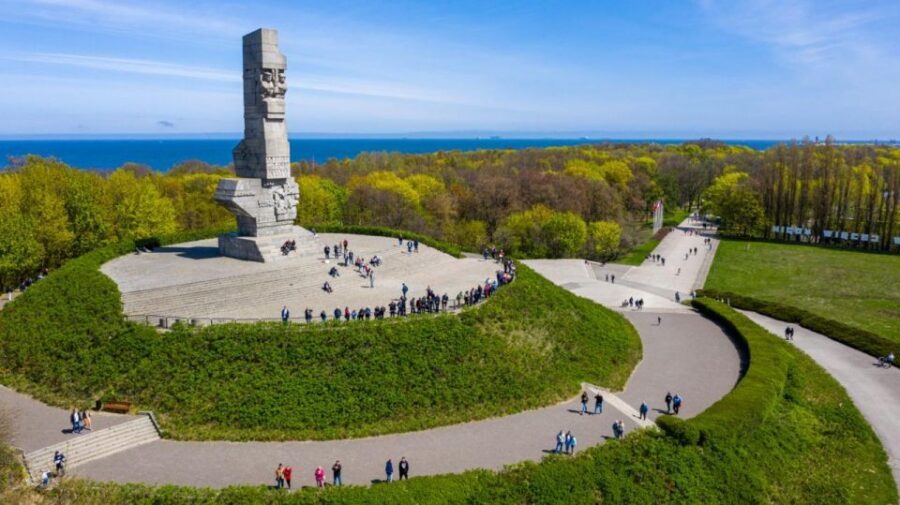
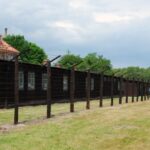
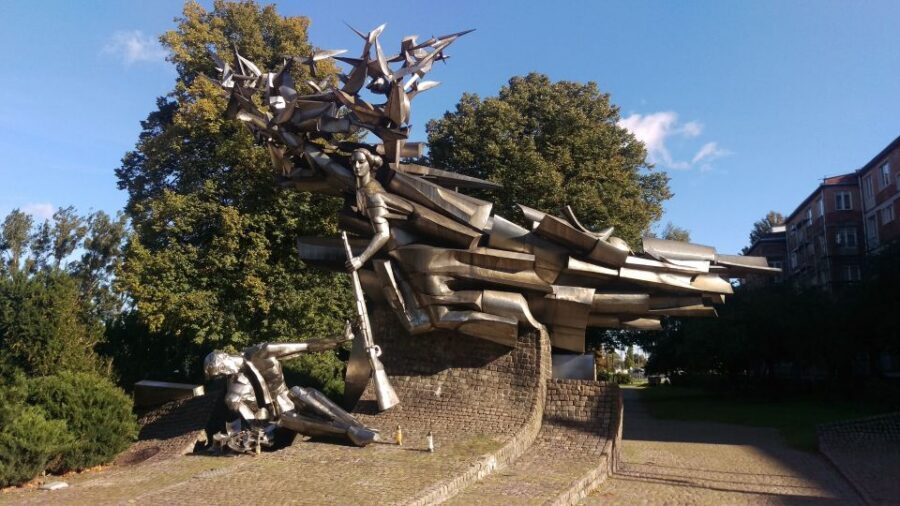
Your tour’s first big stop is Westerplatte, with a guided visit for about an hour. This is where the conflict’s early reality takes center stage. The name carries weight, and once you stand there with someone explaining what unfolded, you understand why the site keeps showing up in WWII conversations.
I like Westerplatte for two reasons. First, it gives you a physical anchor—this is not just a story about generals. Second, it shows how fast things can shift when political friction turns into action.
A practical note: an hour is enough to grasp the key points, but not enough for a long wander. If you love lingering for photos or reading every sign, you’ll want to leave extra time on your own before or after the tour.
Museum of the Polish Post: War as Daily Life, Not Just Battles
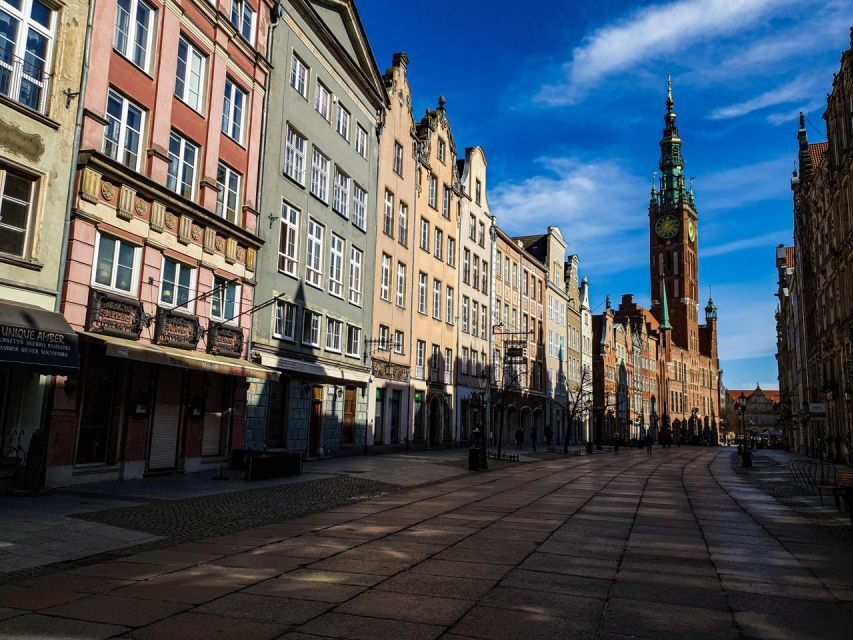
Next you’ll visit the Museum of the Polish Post for about 30 minutes guided. This stop changes the feel of the tour. Instead of focusing only on uniforms and movement, you get a perspective on how wartime pressure lands in communication and everyday systems.
This kind of stop is valuable because it adds texture. Battles are dramatic, but war is also what happens between battles—through messages that travel, orders that don’t, and people trying to function while everything tightens.
With only 30 minutes here, you should treat it like a focused introduction. I’d use this time to learn the main threads the guide points out, then decide later if you want a deeper self-guided follow-up in your own time.
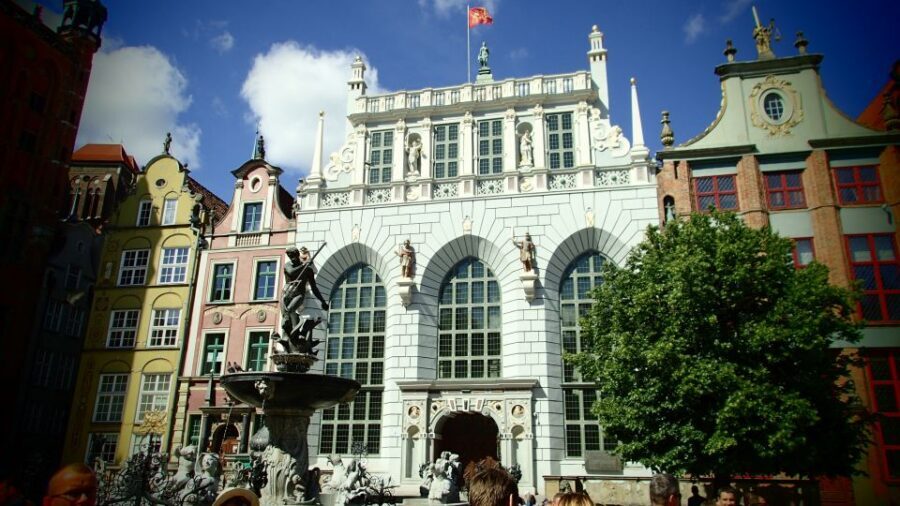
Main City Walk for 60 Minutes: From Free City to the 1945 End
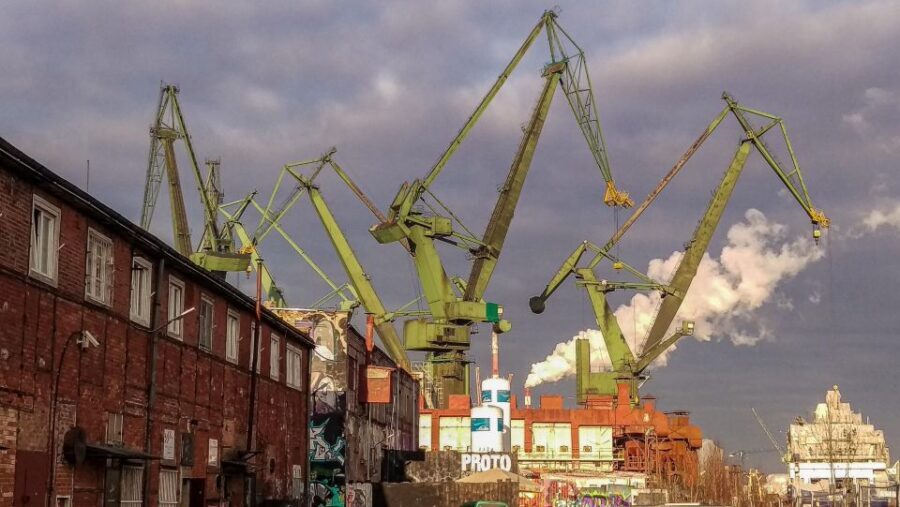
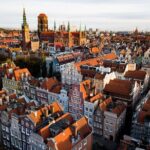
After Westerplatte and the Polish Post museum, you shift into Main City with another guided hour. This is where the tour’s timeline starts to feel like a line you can follow: from the Free City of Gdańsk period through the wider spread of conflict and toward the 1945 finale.
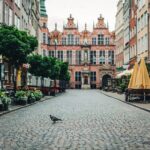
What I like here is the way the guide ties place to meaning. You’re not just walking. You’re watching the city’s roles change in the story—how the port’s importance, political tension, and competing influences shape what residents experience.
You may also hear about areas tied to key wartime geography, including the Gradowa Mountain storyline mentioned as part of the journey. Even if you’re not a local, the guide helps you understand why such details matter: wartime outcomes aren’t only decided on maps. They’re shaped by terrain, access, and the time it takes to move through a city.
Since this is still guided time, you’ll want to listen closely to transitions. The best moments are usually when the guide explains how one place’s history sets up what happens at the next stop.



The Guide Makes It Personal: Bożena, Roxana, and Sebastian
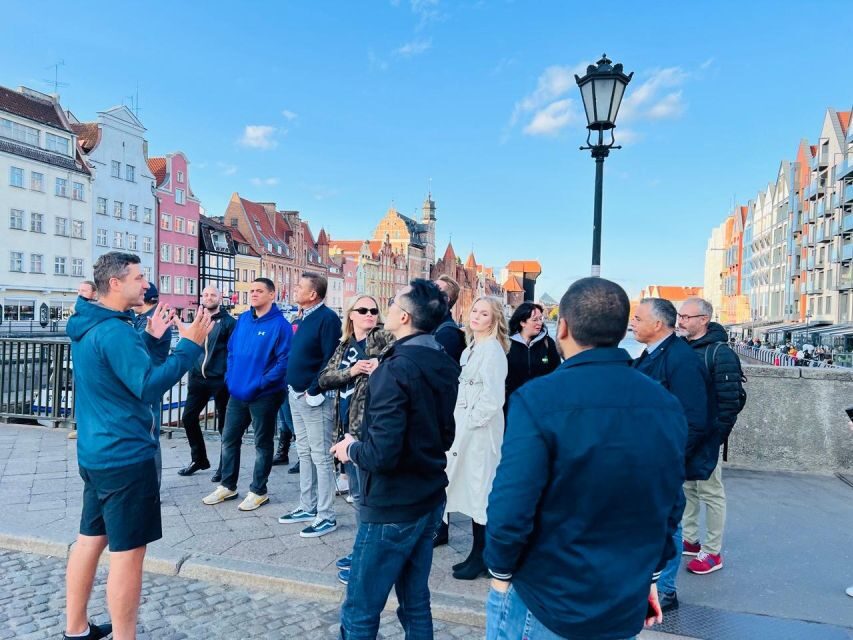
A good WWII tour lives or dies on the guide’s ability to make the facts human. Here, the experience seems to hinge on that kind of storytelling. I’ve seen examples of guides such as Bożena (praised for being professional, friendly, and genuinely enthusiastic about Gdańsk) and Roxana (strong, pleasant, and knowledgeable in the way she explains the story). There’s also mention of Sebastian Malyszczyk, with attention to clear explanations and a passion for the subject.
Even if your guide is someone else, the pattern is consistent: you should expect someone who cares about the city and can explain it without dumping dates on you. That’s the difference between reading about a place and actually understanding it.
Also, a private setting helps here. If you have questions—about terms, names, or why a location matters—you’ll get room to ask. That is often the moment when the tour turns from informative into memorable.
Price and Value at $195: What You Get for the Money
At $195 per person for a 210-minute experience, the price may sound steep at first glance. But when you look at what is included, the value starts to make sense.
You’re paying for:
- Pickup and drop-off at your accommodation or a central location
- Transportation in a car or minivan
- A live tour guide in English or Polish
- Guided visits at multiple WWII-relevant sites
- Water and a set time window that keeps the day from stalling
The private group element also matters. For solo travelers or small parties, that often converts into fewer time-wasting handoffs and more direct interaction with the guide.
Where it may not feel like a perfect fit is if you want a long, museum-heavy day. This is a focused route with guided segments at key points. If you crave hours of exhibition browsing, you might treat this tour as the narrative backbone, then add extra time on your own after.
Weather, Walking, and Who This Works Best For
The tour recommends bringing clothes for bad weather. That’s not a small detail. In Gdańsk, outdoor time is real, and WWII stories are most impactful when you can actually stay present instead of shivering or rushing.
Mobility is another clear factor. This tour is not suitable for people with mobility impairments, likely due to walking and the way sites are accessed.
Who should go? If you care about WWII, especially through a Polish lens, you’ll get a lot out of it. It’s also a strong choice if you want an organized introduction that still feels off the beaten track in emphasis, not just the obvious postcard spots.
If you’re short on time in Gdańsk, this format helps. You get a connected storyline across several meaningful sites without spending your day figuring out routing.
Should You Book This Gdańsk WWII Tour?
Book it if you want a clear, guided WWII narrative in a compact timeframe, with pickup and a private group setup. The stops—Westerplatte, the Polish Post Museum, and a Main City guided walk—fit together into a timeline you can actually hold in your head.
Skip it (or plan differently) if you need an itinerary that is more accessible or mostly indoor. This experience is built for guided visits outdoors and around key sites, so weather and mobility will shape your comfort.
If you’re deciding between doing “some WWII sightseeing” versus getting the full thread, I’d choose this. It’s structured, human-paced, and focused on how the war unfolded from Poland’s perspective right here in Gdańsk.
FAQ
Where does the tour start?
Pickup is included in Gdańsk, either at your accommodation or a central location.
How long is the tour?
The total duration is about 210 minutes.
What stops are included?
You’ll visit Westerplatte, the Museum of the Polish Post, and the Main City area, each with guided time.
Is transportation included?
Yes. You’ll travel by car or minivan, with transportation included along with pickup and drop-off.
What languages is the guide available in?
The live guide is available in English and Polish.
Is this a private tour?
Yes, it’s listed as a private group.
Is it suitable for people with mobility impairments?
No, it is not suitable for people with mobility impairments.
What should I bring?
Bring clothes appropriate for bad weather, since you’ll be outdoors during parts of the tour.
How much does it cost?
The price is $195 per person.