REVIEW · GDANSK
Cruises on the Motlawa River
Book on Viator →Operated by Blues · Bookable on Viator
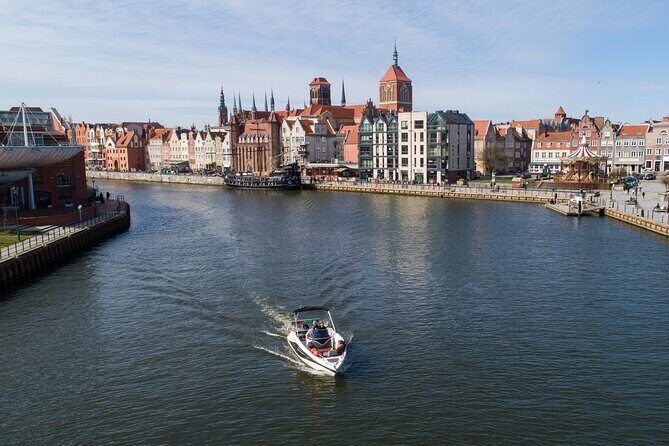
One river ride rewrites your Gdańsk map. From Green Bridge you glide past Teutonic walls, granaries, and church towers in about 45 minutes.
The short length is the whole point: you get an instant sense of where everything sits along the water, without turning your day into a half-day project.
I really like the close-up waterfront details, especially the famous 15th-century crane and the Granary Island area. I also like the practical side—mobile ticket and a small group size (up to 10) with information in English. That means less waiting and more time looking.
One thing to consider: the boat is pretty small, so it can be harder to hear the guide if you’re not positioned well. Also, some of the information may be provided via a printed handout rather than loud audio the whole way.
In This Review
- Key Highlights You’ll Actually Feel Onboard
- Motława River Views Start at Green Bridge
- Price and Time: The Value Equation Works
- The Waterfront Circuit: What You See and Why It Matters
- The Teutonic Castle Wall and Long Seacoast Water Gates
- The 15th-Century Crane: Europe’s Big Medieval Workhorse
- Granary Island and the Preserved Walls
- Ołowianka Island: Where Urban Threads Cross
- Islands, Fish Markets, and Ship Power Along the Marina
- Church Towers, Town Hall Views, and the World’s Largest Brick Church
- Boat Comfort, Hearing the Guide, and Photo Tips
- Who Should Book This Motława Cruise (and Who Might Not)
- A Practical Plan for Your Day Around This Cruise
- Should You Book the Cruise?
- FAQ
- How long is the Motława River cruise?
- Where does the cruise start and end?
- Is the tour available in English?
- Do I get a mobile ticket?
- What landmarks will I see during the cruise?
- How many people are on the boat?
- What happens if the weather is bad?
- Is free cancellation available?
Key Highlights You’ll Actually Feel Onboard
- Retractable canopy for photos: when weather allows, the roof can open fully for clear shots of the skyline.
- Small group vibe: up to 10 people keeps the experience calm and personal.
- Medieval waterfront views on a real route: you pass the crane, granaries, islands, and bridge-area landmarks in one loop.
- English interpretation: the experience is offered in English to help you follow the story.
- Worth it for the price: it’s far cheaper than renting boats next door, and you’re not left to guess what you’re seeing.
Motława River Views Start at Green Bridge
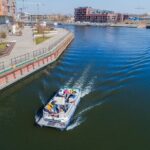
Your cruise begins at the Green Bridge area on the Stara Motława (the old Motława waterfront). This is a smart starting point because it puts you right in the thick of Gdańsk’s historic riverfront. You don’t need a long walk to orient yourself—step on the boat, and the city starts sliding by at eye level.
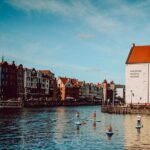
The first stretch quickly sets the theme: defense, trade, and power, all packed into a waterfront that used to run the city’s economy. As you move away from the bridge, you’ll see remains of the Teutonic Castle wall, plus the Long Seacoast (Długie Pobrzeże) with its water gates leading into the city. From the water, these structures make more sense than they do from postcards.
If you’re trying to plan your day, the big win is timing. There’s a wide choice of departure times, so you can fit the cruise between museums, dinner plans, and whatever else you want to see. Short tours like this also help if you’re traveling with kids or anyone who gets bored by long explanations on foot.
Other Motława River cruises in Gdansk
Price and Time: The Value Equation Works
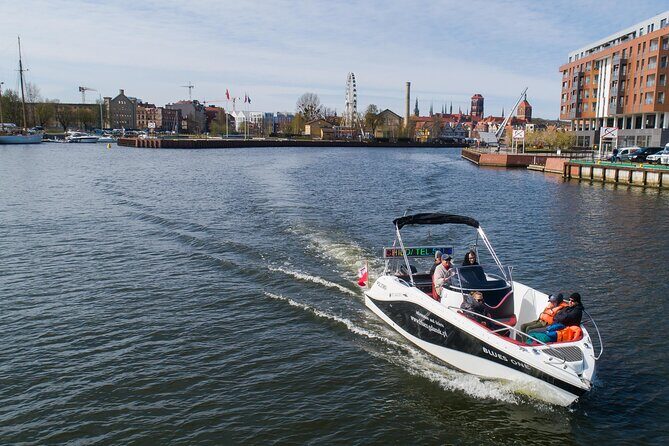
At about $19.86 per person for roughly 45 minutes, this is a very budget-friendly way to get a guided look at Gdańsk’s waterfront. The best part is that the price buys you interpretation. Instead of renting a small boat and trying to work out what every building used to be, you’re told what you’re looking at as you float past it.
The duration matters, too. Forty-five minutes is long enough to understand the route and spot the key landmarks, but short enough that you can still do something else after. In practice, it feels like a fast orientation lap: you leave with a mental map of where the crane, the islands, and the big churches sit along the Motława.
Also, the experience gets booked in advance (often around 20 days out on average). That’s a hint that good time slots can go first. If you have a specific morning or early afternoon window, book ahead so you can pick the departure that fits your itinerary.
One small practical note: the cruise needs good weather. If the sky turns and it gets canceled, you’ll be offered another date or a full refund—so you’re not trapped if the forecast changes.
The Waterfront Circuit: What You See and Why It Matters
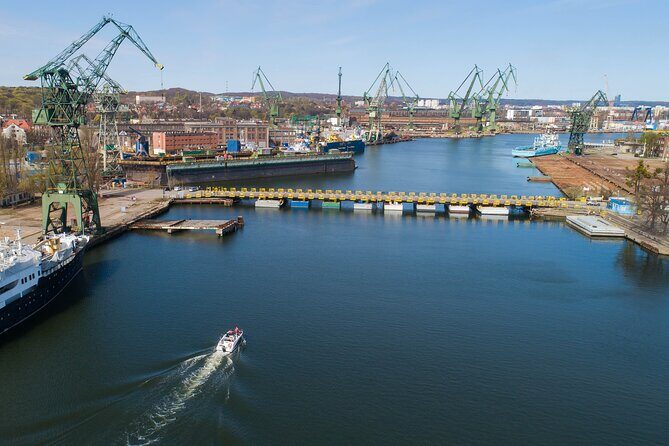
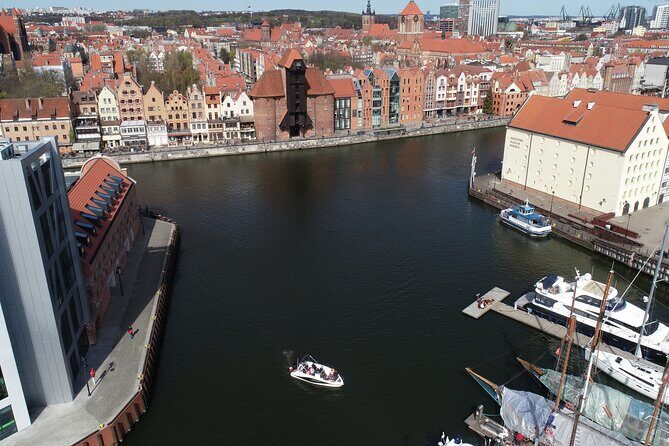
This cruise is designed as a loop that takes you past the city’s signature river structures, then back toward the Green Bridge. You’ll glide by key points like Granary Island, Ołowianka Island, and the famous crane area, plus church towers and town hall views.
Even if you don’t know the details going in, the route helps you connect the dots. The Motława wasn’t just scenery—it was transport, commerce, and defense. Each stop you see on the water reinforces that story: warehouses and granaries for goods, islands for city functions, cranes for loading and unloading, and waterfront gates for control.
The Teutonic Castle Wall and Long Seacoast Water Gates
Early on, you’ll see the remains of the wall of the Teutonic Castle, along with sections of the Long Seacoast and its water gates. From land, those terms can sound abstract. From the water, you can actually picture how movement in and out of the city was managed.
This section is a great warm-up. It gives you a sense of scale and location so that later sights like the crane feel less random.
The 15th-Century Crane: Europe’s Big Medieval Workhorse
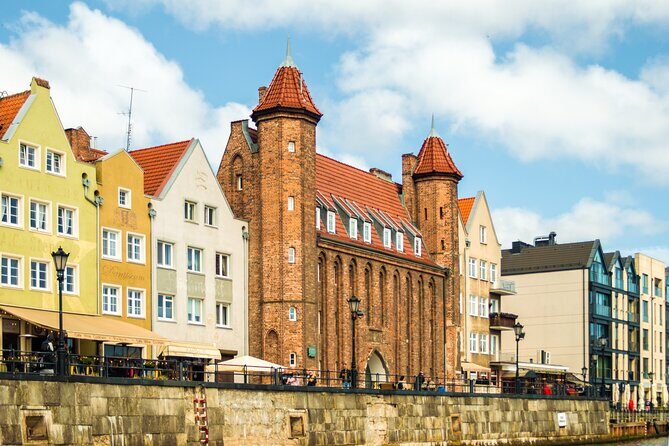
One of the main moments is the famous 15th-century crane, described as the largest medieval crane in Europe. When you see it from the river, it’s not just a photo subject—it looks like the city’s old logistics system made visible. That’s where the loading and unloading story becomes real.
If you’re into architecture or industrial heritage, this is the stop that delivers the most immediate wow-per-minute. Even if you keep your expectations modest, the crane tends to hit.


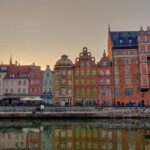

Granary Island and the Preserved Walls
Next, you’ll head toward Granary Island and the preserved wall of the Long Way granary. Granaries sound boring until you see the scale along a working waterfront. These are big, built-for-storage structures—meant to hold supplies as trade flowed in and out.
As you pass, you’ll also get views connected to Stagiewna Street, the street that crosses the Granary Island area and starts at the Green Bridge. Seeing that layout from the water helps you understand how city streets and river functions interlocked.
Photography tip: this part of the route is often where people want the clearest skyline shot. If the canopy is open, take advantage. If it’s closed, try changing your angle so window bars don’t ruin the frame.
Ołowianka Island: Where Urban Threads Cross
Ołowianka Island is described as a fragment of Gdańsk space where different layers of urban history intersect. You’ll hear how the area initially belonged to the Teutonic Order and was used as an economic base tied to a commander’s castle.
What I like about this stop is that it’s not just one landmark. It’s a zone that helps you understand how Gdańsk changed over time—who controlled it, how it functioned, and how the waterfront role shifted as eras moved on.
If you enjoy context more than checklists, this is the island that turns the cruise into a story you can hold onto.
Islands, Fish Markets, and Ship Power Along the Marina
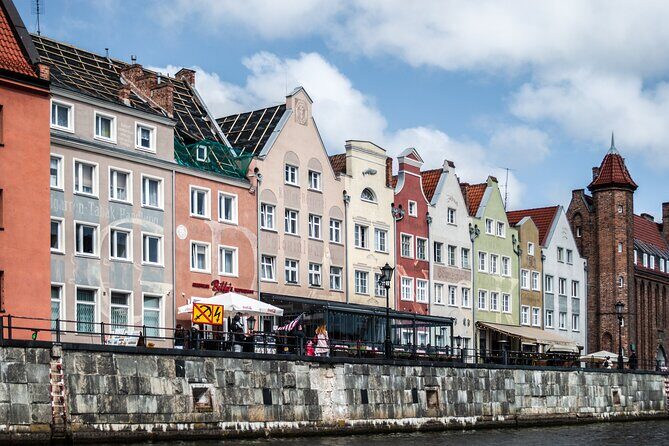
As you continue, you’ll spot more working-era clues along the Motława. The itinerary includes a look at the Fish Market and notes that there used to be many more such markets in Gdańsk. That detail helps you see the riverfront as an everyday economy, not only a scenic promenade.
You may also see the Marina of Gdańsk during the return leg. This adds a useful contrast: historic waterfront infrastructure on one side, modern boating and leisure on the other. It’s the same water, different era.
There’s also a stop connected to a ship built in Poland after World War II. Even without deep technical details, the presence of a specific postwar vessel matters because it shows continuity—people kept using these waterways long after medieval cranes stopped being the only way goods moved.
Church Towers, Town Hall Views, and the World’s Largest Brick Church
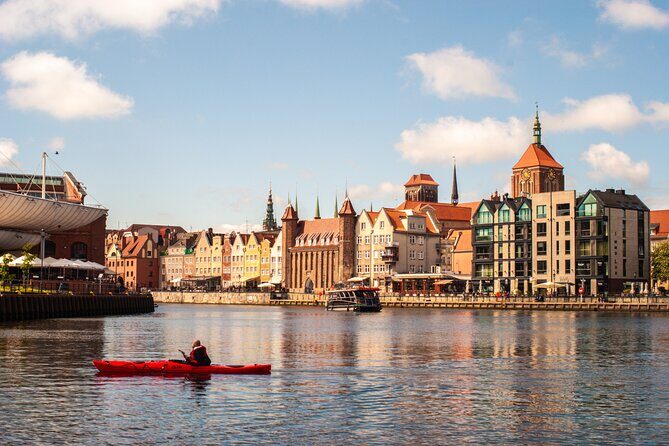
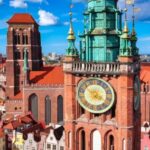
A standout section comes when the cruise shifts attention upward. You’ll see church towers and the town hall visible from the yacht. From the river, those vertical landmarks pop in a way they rarely do from street level.
Behind St. John’s Church, you can see the world’s largest brick church. Hearing that from a guide makes it feel less like a random trivia fact and more like a visual anchor. You’ll know what to look for even after you stop listening and start photographing.
This is a good moment to lean back and just observe. The boat gives you a moving viewpoint that compresses distance—everything is suddenly connected.
Boat Comfort, Hearing the Guide, and Photo Tips
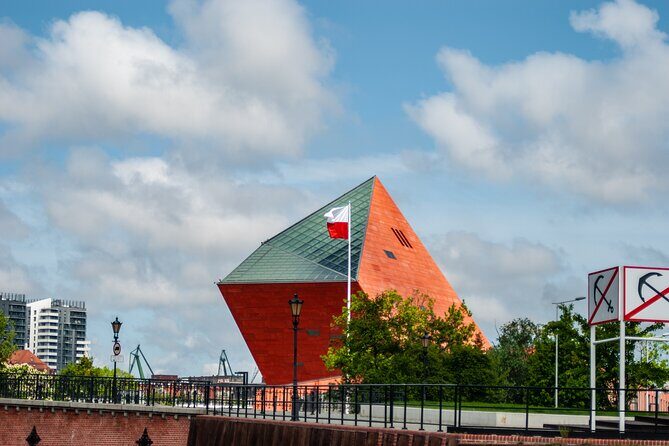
Let’s talk reality on the water. This is a small private motorboat, and that’s part of the charm. It also means sound can be tricky. If you’re sensitive to background noise, pick a spot where you can face the guide or the info area.
Information is provided in English, and sometimes it’s delivered through a printed sheet you can read while you look out the window. That’s helpful, especially for place names. One caution: a few visitors have said it was hard to hear audio during parts of the cruise, so don’t plan on catching every detail only through listening.
The canopy roof is a smart feature. When the weather allows, it retracts fully, which is great for photography and lessens the feeling of being under cover. When the weather is less cooperative, the roof stays in place—so bring a light layer even if the day starts warm.
If you’re traveling with kids, you’ll appreciate the comfort touches. Life jackets were provided to children in one reported case, and blankets were also offered when it got windy. That kind of practical care makes the ride feel easier, especially for shorter cruises.
Who Should Book This Motława Cruise (and Who Might Not)
This cruise is ideal if you want:
- a quick water-based orientation to Gdańsk’s historic core
- a guided pass at the crane, granaries, and island areas without walking all day
- a budget-friendly outing that still feels structured (English info, defined route, small group)
It’s also a good choice for people who like to mix styles: one part sightseeing, one part “just enjoy the ride.”
You might hesitate if:
- you need very clear audio from start to finish (the boat is small, and sound can vary)
- you prefer longer guided narratives—this one is short by design
A Practical Plan for Your Day Around This Cruise
Because departures are frequent, I’d plan this like a connector between bigger stops. Do it early enough that you can walk afterward with better direction. Or schedule it mid-day if you want a break from walking—45 minutes of moving views is a decent reset.
Bring your camera and also your patience for the weather. Good conditions matter here, and the operator may offer another date if conditions aren’t right.
Also, arrive a bit early at Green Bridge. One practical tip: meeting the boat can be confusing if you’re focused on the wrong side of the bridge. If you show up early, you’ll avoid stress.
Should You Book the Cruise?
I think it’s an easy yes for most people. The combination of a small group, a short time window, and English explanation makes the value feel real—especially compared with pricier options to rent a boat on your own. You’ll see the 15th-century crane, the Granary Island areas, Ołowianka Island, and key church-and-town views, all in one smooth circuit.
If you hate short tours or you need perfect audio clarity, then choose a different format. But if you want a fast, guided, waterfront overview that doesn’t burn your whole day, this one earns its popularity.
FAQ
How long is the Motława River cruise?
It’s about 45 minutes (approx.).
Where does the cruise start and end?
It starts at Green Bridge, Stara Motława, Gdańsk, Poland, and ends back at the meeting point.
Is the tour available in English?
Yes, the experience is offered in English.
Do I get a mobile ticket?
Yes, it’s a mobile ticket.
What landmarks will I see during the cruise?
You’ll see highlights such as the Teutonic Castle wall remains, Long Seacoast with water gates, the 15th-century crane, Ołowianka Island, Granary Island and granary walls, church towers and the town hall, and views related to St. John’s Church and the world’s largest brick church, plus the Fish Market and the Marina area on the return.
How many people are on the boat?
The cruise has a maximum of 10 travelers.
What happens if the weather is bad?
This experience requires good weather. If it’s canceled due to poor weather, you’ll be offered a different date or a full refund.
Is free cancellation available?
Yes. You can cancel up to 24 hours in advance for a full refund.