REVIEW · GDANSK
Highlights of Gdańsk, Gdynia and Sopot 1-day Private Tour
Book on GetYourGuide →Operated by Rosotravel Poland · Bookable on GetYourGuide
Three cities, one efficient day. I love how this private car tour with a licensed guide stitches together Gdańsk, Sopot, and Gdynia so you get the story behind the coast, not just photos.
I also like the built-in moments that most DIY days miss: skip-the-line St. Mary’s Church entry and a 20-minute organ concert at Oliwa Archcathedral, with local guiding from people like Elwira, Marek, Dorothea, and Ewelina.
The main drawback is pacing. A 9-hour day can still feel tight if you have strict timing plans, so it pays to plan some breathing room around the drop-off.
In This Review
- Key things to know before you go
- Meeting point, car ride, and why a licensed guide changes everything
- Gdańsk by car: St. Mary’s Church, Long Market, and Motława River cranes
- St. Mary’s Church entry that’s more than a photo stop
- Long Market and Old Town symbols you can actually place
- Motława River embankment and the historic Crane
- Practical tip
- Oliwa Archcathedral and the organ concert: a rare calm moment
- Oliwa Archcathedral and a 20-minute organ concert
- Oliwa Park as a breather
- Sopot’s Crooked House and Kuracyjny Square beach views
- Krzywy Domek (the Crooked House)
- Kuracyjny Square and the beach/pier line
- Quick practical note
- Gdynia port history: Kościuszki Square, murals, and museum ships
- Kościuszki Square and the port-facing story
- Historic ships now used as museums
- How long does it really take: 9 hours vs real-world timing
- Price and value: what $397 per person buys you
- Who this tour fits best (and who might want a different style)
- Should you book this Rosotravel Tri-City private tour?
- FAQ
- FAQ
- What’s included in the private tour?
- Does the tour include transportation between Gdańsk, Sopot, and Gdynia?
- Where do pickup and drop-off happen?
- Is the organ concert at Oliwa guaranteed?
- What sights do you visit in each city?
- What languages is the guide available in?
- Can I add lunch or adjust the itinerary if I’m short on time?
Key things to know before you go
- Door-to-door pickup and drop-off from your hotel or a Tri-City cruise port in Gdańsk, Gdynia, or Sopot
- Skip-the-line access to St. Mary’s Church, plus an organ concert stop at Oliwa Archcathedral
- A real Tri-City overview by car so you see the major hits in one day without transit hassle
- Maritime and WWII context tied directly to what you’re looking at, not just general lectures
- Small-group flexibility with a sedan for 1–4 people and van/minibus for larger groups
- Optional adjustments if you’re short on time, including the possibility of an added lunch
Meeting point, car ride, and why a licensed guide changes everything
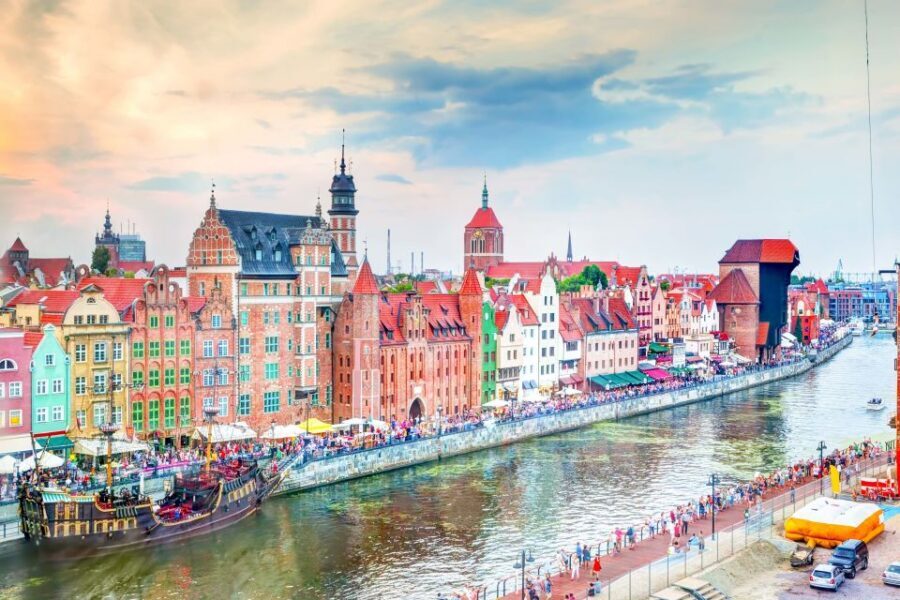
This is one of those rare tours where the logistics help you enjoy the day instead of stealing it. You’re collected from where you’re staying (or from your cruise port), then moved around the Tri-City by car, with a licensed guide doing the heavy lifting on history, architecture, and the meaning of each landmark.
The best part is that the guide isn’t just reciting dates. I like the way local expertise shows up in practical, place-based storytelling. In the area, guides such as Elwira, Marek, Dorothea, and Ewelina are known for explaining what mattered and why, including strong threads around WWII, and even topics like amber where it fits the broader story of trade and the Baltic economy.
If you want a day that feels structured (without feeling like a rushed checklist), this format works well. And since it’s private, you can steer the pace toward what you care about most—history, architecture, maritime life, or just taking in the coast views.
Other Sopot tours we've reviewed near Gdansk

Gdańsk by car: St. Mary’s Church, Long Market, and Motława River cranes
Gdańsk is where the day starts to click. You get the Old Town feel quickly, then anchor it with one major interior stop.
St. Mary’s Church entry that’s more than a photo stop
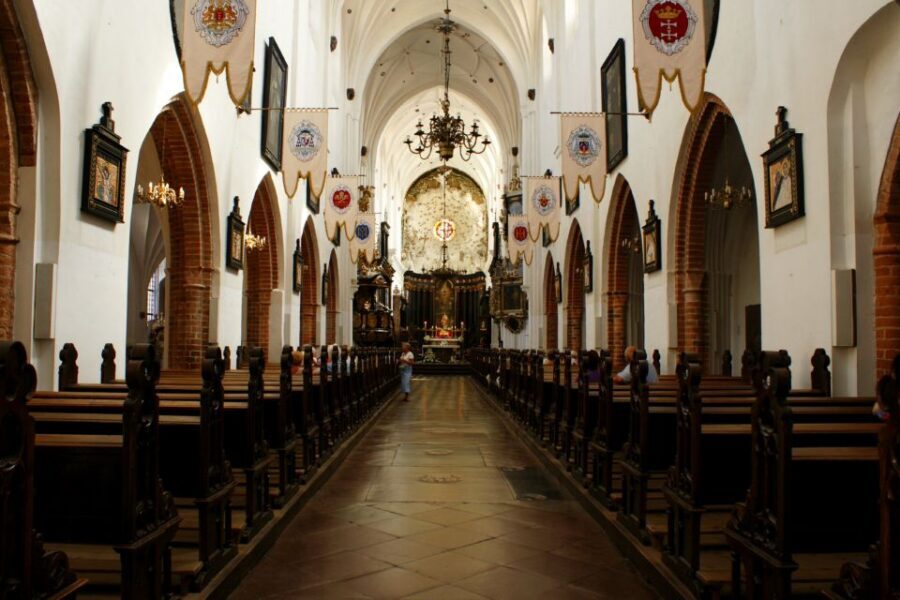
St. Mary’s Church is huge and made from brick—so inside, it’s dramatic in a way that’s hard to capture from the street. This tour includes entry to St. Mary’s Church and is set up to help you skip the ticket line, which matters when you only have one day.
What you’re really getting is perspective. With a guide, you understand what you’re seeing in the context of medieval Gdańsk, its role in maritime trade, and how the city’s story connects to World War II. It turns the interior from impressive scenery into a chapter of the coast’s history.
Long Market and Old Town symbols you can actually place
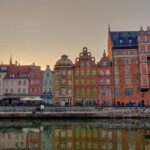
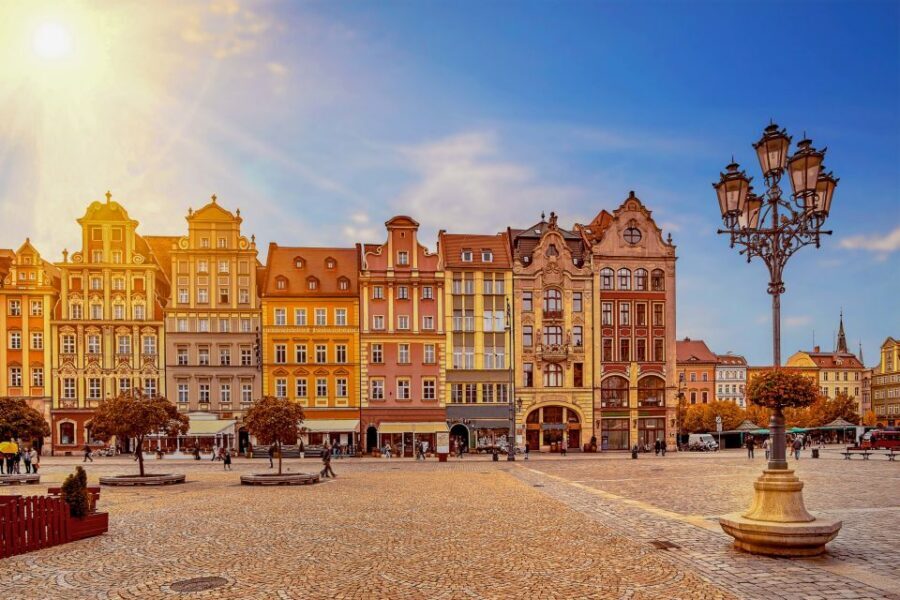
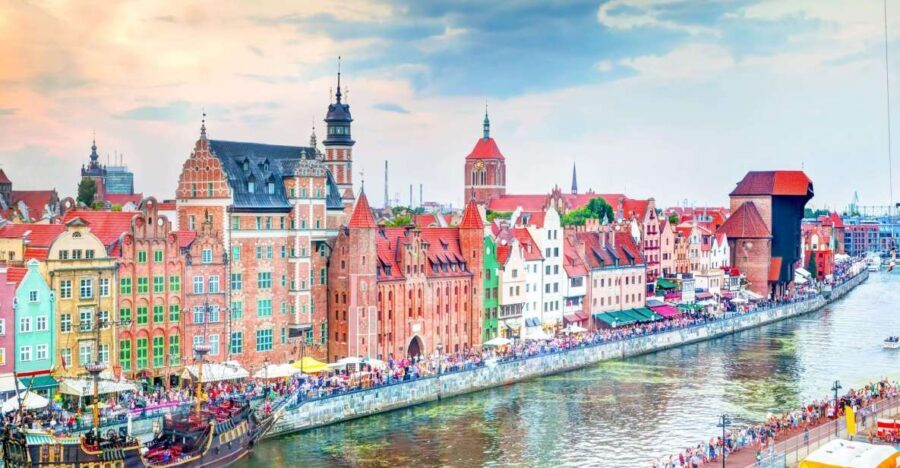
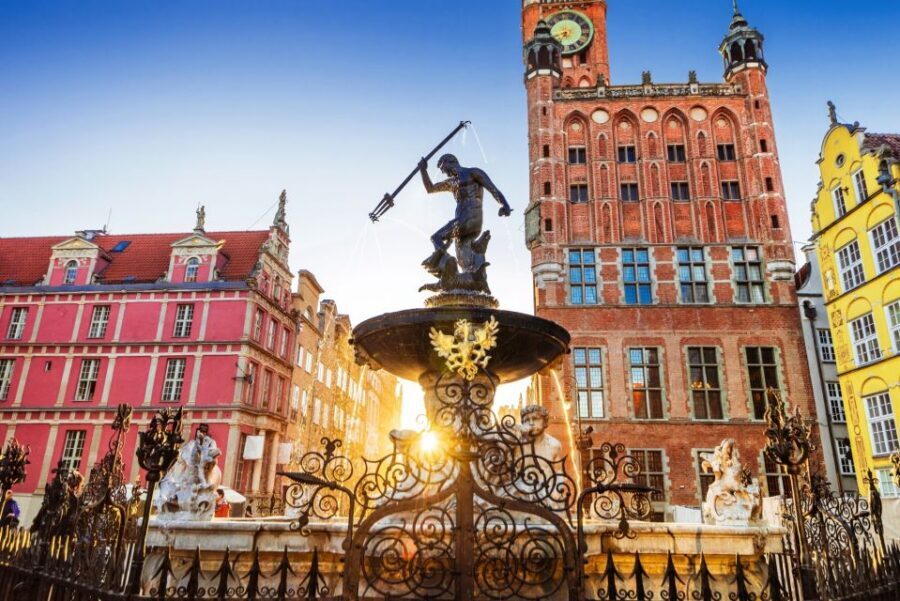
After that, the city opens up into the classic postcard spots that also make sense once someone explains the layout and the eras. You’ll walk the Long Market lined with colorful tenement houses, then pause for key landmarks like the Neptune Fountain, the Old Town Hall, and Arthur’s Court.
The point of these stops isn’t to “collect sights.” It’s to help you recognize the civic and merchant power that shaped Gdańsk. Once you see those buildings with context, they stop looking like generic old stone and start reading like a map of how the city worked.
Motława River embankment and the historic Crane
Then comes the waterfront. Along the Motława River embankment, you’ll see the historic Crane, a symbol of Gdańsk’s maritime heritage. If you’ve ever wondered why ports feel like cities inside cities, this is where the answer becomes visible—trade infrastructure, storage, movement, and the human scale of shipping.
Other Gdynia tours we've reviewed near Gdansk



Practical tip
Wear shoes for walking Old Town streets, but also keep a light jacket handy. Baltic weather can shift, even in seasons when the coast looks sunny.
Oliwa Archcathedral and the organ concert: a rare calm moment
The stop at Oliwa is one reason this tour feels different from a “three cities, three quick photos” day.
Oliwa Archcathedral and a 20-minute organ concert
At Oliwa Archcathedral, the tour includes a 20-minute organ concert. These concerts run 1–5 times daily depending on the season and are not held on public holidays, so your actual concert timing can vary.
This is worth planning for. Sitting in a historic cathedral while the organ carries across the space is one of those sensory experiences that makes the architecture feel alive. And because your guide is there, you’re not just hearing music—you’re learning how the site fits into the region’s older traditions and religious life.
If the concert schedule doesn’t line up, the day can pivot. The information provided notes an alternative option such as taking a cable car ride to the Kamienna Góra viewpoint in Gdynia (or another attraction), so you’re not stuck with a wasted slot.
Oliwa Park as a breather
After the cathedral, you’ll have time to stroll in Oliwa Park. I like this break because it keeps the day human. After urban walking in Gdańsk, a green pause helps you reset before the seaside mood of Sopot.
Sopot’s Crooked House and Kuracyjny Square beach views
Sopot is the “vacation” stop in the Tri-City story, and it shows. The style shifts from fortified city centers toward resort energy and seaside charm.
Krzywy Domek (the Crooked House)
You’ll see Krzywy Domek, the Crooked House. It’s weird in the best way: playful architecture that’s become one of Poland’s most recognizable oddities. It’s also a good reset point in the itinerary—less solemn than a cathedral, more lighthearted than a port museum.
Kuracyjny Square and the beach/pier line
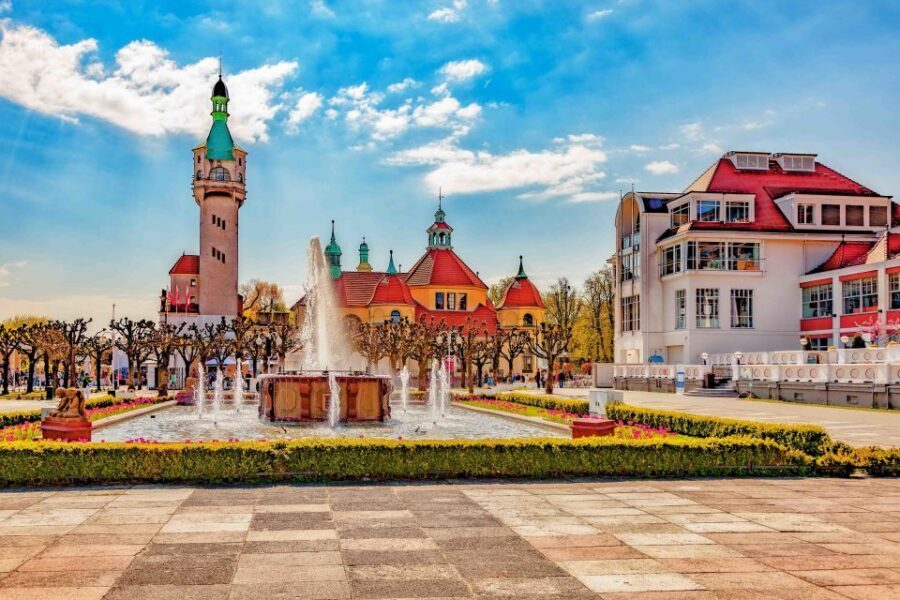
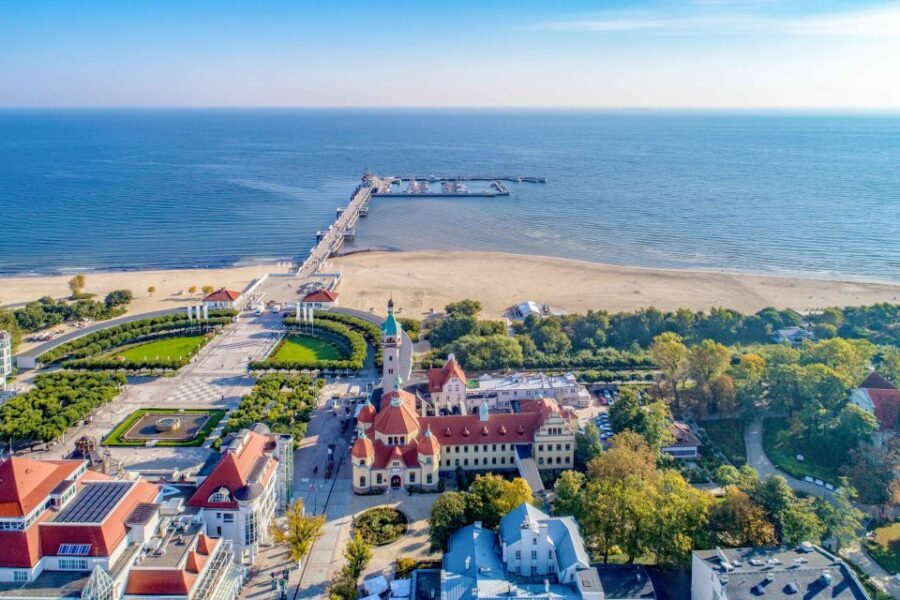
Then it’s over to Kuracyjny Square, with views toward Sopot’s famous beach and pier. This is where you start to feel the Tri-City as a shoreline system, not three separate towns.
What I like here is the balance. You get enough time to take photos and enjoy the sea air, but you’re also not losing the day to wandering. A good guide keeps the stop connected back to the broader story of the coast’s development and leisure culture.
Quick practical note
If you’re the type who likes small food stops, Sopot is ideal for that. The tour doesn’t include meals, but you can grab something nearby on your own if you want a break without changing the route.
Gdynia port history: Kościuszki Square, murals, and museum ships
Gdynia can surprise you. It’s less “medieval old town” and more “organized maritime future,” which makes it a strong final act after Gdańsk and Sopot.
Kościuszki Square and the port-facing story
You’ll start around Kościuszki Square and the port area. The tour includes time to admire murals depicting notable past residents, then connect those local figures back to the city’s maritime identity.
Historic ships now used as museums
Two major ship stops anchor the experience:
- Dar Pomorza
- Błyskawica
These historic vessels are now museum ships, so you can look at them as objects and also as symbols of how Gdynia built its identity around the sea and naval history.
If you care about WWII, this portion tends to land especially well because the contrast between living maritime work and memorial museum context becomes very clear. You’re not just looking at ships—you’re seeing how nations choose what to preserve.
How long does it really take: 9 hours vs real-world timing

On paper, the tour is 9 hours, and you can check starting times based on availability. In real life, timing comes down to how your day fits into your transport plans.
Here’s the practical way to think about it:
- You’ll have a lot of moving between cities, even by car.
- You have at least one interior stop (St. Mary’s) and a scheduled concert slot (Oliwa organ).
- If you’re catching a train or cruise departure with a hard deadline, you’ll want buffer time.
If you’re nervous about schedule pressure, do this before the day starts: confirm your pickup time and ask whether the organ concert slot and drop-off time are aligned with your return transport window. That extra minute of planning can save you from feeling rushed.
Also remember: lunch is optional. It can be arranged upon request, but adding it can change the pace. If food is a priority, plan a simple plan (quick lunch, not a long sit-down) so you still get the full Tri-City flow.
Price and value: what $397 per person buys you
At $397 per person, you’re paying for three things that are hard to replicate easily on your own:
- Private transportation across the Tri-City (with car type scaled by group size: sedan for 1–4, larger van/minibus for 5+)
- A licensed guide who connects what you see to why it matters
- Paid elements included in the plan: St. Mary’s Church entry and the Oliwa organ concert
The value part is this: the tour reduces decision fatigue. Instead of spending time figuring out routes, where to park, and how to stitch together meaning, you get a guided sequence where each stop supports the next.
It’s also a good deal if you’re traveling with family or friends and want everyone focused on the same day rather than splitting up plans. Private tours can get pricey fast, but here the included admissions/music component helps justify the cost.
If you’re solo and on a shoestring, you might prefer public transit. But if your time is limited and you want the coastal story to make sense quickly, the price starts to feel fair.
Who this tour fits best (and who might want a different style)
This experience is a strong match if you:
- Want to see all three—Gdańsk, Sopot, and Gdynia—in one day
- Care about WWII context, maritime heritage, and how architecture reflects trade and power
- Like guided explanations inside key sites like St. Mary’s Church and during the organ concert
- Value comfort, since pickup and drop-off are handled and you’re not juggling transit schedules
It might be less ideal if:
- You want a slow, open-ended day with lots of free wandering and no fixed time anchors
- You have extremely tight departure times and no flexibility at all
Should you book this Rosotravel Tri-City private tour?
Yes, you should book it if your goal is a focused, one-day overview that still includes real “inside” experiences—St. Mary’s entry and the Oliwa organ concert—plus the maritime side of the story in Gdynia.
Before you confirm, do one smart thing: check your timing. Make sure you have slack around the scheduled concert and your transport back, because the day is packed with meaningful stops. If you’re happy with that, you’ll leave with a much clearer picture of how the Tri-City works as one coastal system—cities shaped by the sea, trade, and conflict, then softened by Sopot’s resort rhythm.
FAQ
FAQ
What’s included in the private tour?
The tour includes private transportation, pickup and drop-off, a licensed guide, skip-the-ticket-line entry to St. Mary’s Church, and a 20-minute organ concert at Oliwa Archcathedral. Meals and drinks are not included.
Does the tour include transportation between Gdańsk, Sopot, and Gdynia?
Yes. You travel by car as part of the private tour, with the provider arranging a sedan for groups of 1–4 people and a larger van or minibus for groups larger than 5.
Where do pickup and drop-off happen?
Pickup and drop-off are available from your accommodation or from any port in Gdańsk, Sopot, or Gdynia. You provide your address or cruise arrival details when booking.
Is the organ concert at Oliwa guaranteed?
Concerts run 1–5 times daily depending on the season, excluding public holidays. If the concert doesn’t fit, the tour information notes an alternative such as a cable car ride to the Kamienna Góra viewpoint in Gdynia or another attraction.
What sights do you visit in each city?
In Gdańsk, you’ll see St. Mary’s Church plus Old Town highlights like the Long Market, Neptune Fountain, Old Town Hall, Arthur’s Court, and the Motława River embankment and Crane. In Sopot, you’ll visit Krzywy Domek and Kuracyjny Square. In Gdynia, you’ll visit Kościuszki Square and the port area with murals, plus museum ships Dar Pomorza and Błyskawica.
What languages is the guide available in?
English, German, Polish, Russian, Spanish, French, Italian, Norwegian, Swedish.
Can I add lunch or adjust the itinerary if I’m short on time?
Yes. The itinerary can be adjusted to fit limited time, and lunch can be arranged upon request.