REVIEW · GDANSK
Westerplatte private tour led by Expert-Guide (door to door)
Book on Viator →Operated by Gdansk Trips · Bookable on Viator
Westerplatte tells the start of WWII in plain sight. I like that this is a door-to-door private tour with hotel pickup in both Gdansk and Sopot, so you spend time walking and learning instead of figuring out transit. I also like that you get a guided setup en route, not just a stop-and-go visit.
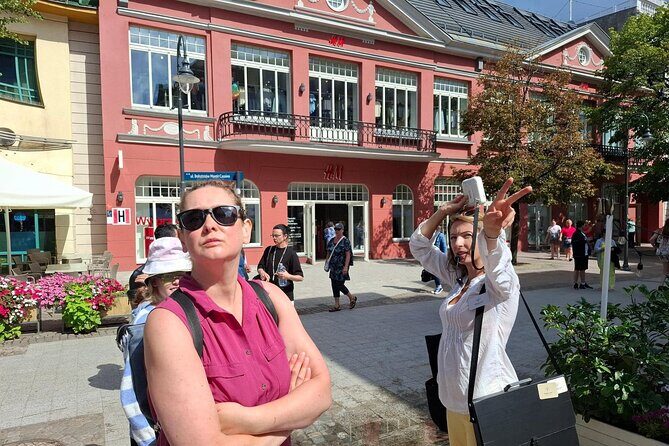
The best part for me is the way the guide connects big-picture context to what you’re standing on. In the feedback I saw, guides like Matthew and Maciej were praised for clear explanations and for matching a comfortable walking pace. That means you’re not rushing, and the story makes sense as you move.
One thing to consider: it’s a short tour, about 2.5 hours total, so if you want extra time wandering independently, you may feel a bit “done” after the official visit. Dress for weather, since you’ll be outside while sightseeing.
In This Review
- Key things you’ll notice on this Westerplatte tour
- Westerplatte in 2.5 hours: a small window with big stakes
- Door-to-door pickup in Gdansk and Sopot (and why it matters)
- The bus ride story: Free City of Danzig right after 1918
- Visiting Westerplatte: where the WWII start becomes real
- What you should expect to feel (and what you shouldn’t)
- The guide makes or breaks it: Matthew, Maciej, and pacing
- Price and value: what $72.41 gets you
- Time
- Convenience
- Learning
- Language, tickets, and “getting in” without stress
- Private tour reality: only your group, your questions
- How to get the most out of Westerplatte on this tour
- Who this tour suits best (and who might prefer something else)
- Should you book this Westerplatte private tour?
- FAQ
- How long is the Westerplatte private tour?
- Do I get hotel pickup?
- Is this tour private or shared?
- Is the admission ticket included for Westerplatte?
- Is the tour offered in English?
- Can I cancel for a full refund?
Key things you’ll notice on this Westerplatte tour
- Door-to-door pickup from hotels across Gdansk and Sopot
- A guided bus transfer that frames Westerplatte and the Free City of Danzig after 1918
- WWII-focused site visit at Westerplatte with the admission ticket included
- Private group experience so only your party participates
- English tour with mobile ticket access
- Guide pacing that feels human, not sprint-mode walking
Westerplatte in 2.5 hours: a small window with big stakes
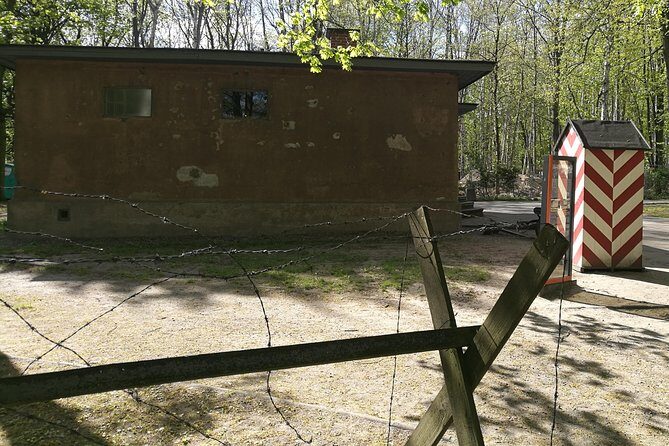
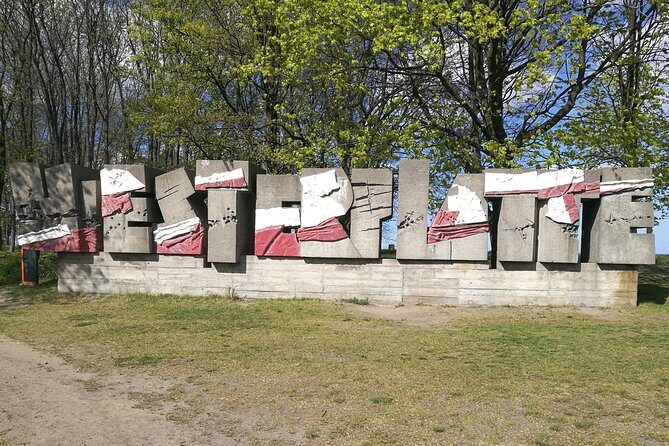
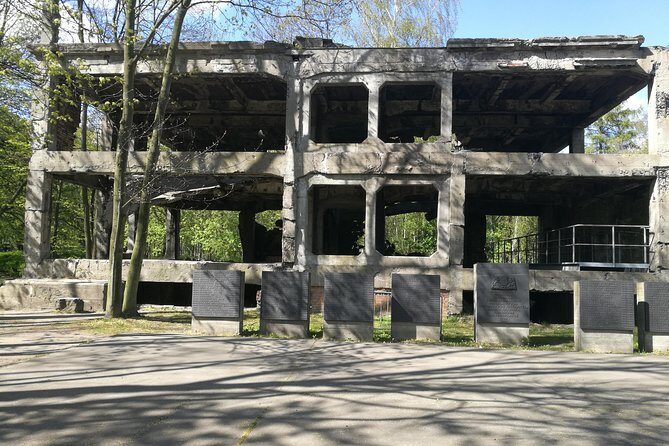
Westerplatte is one of those places where the geography matters. You’re not just looking at a monument. You’re visiting the setting where Polish troops held their ground against Nazi-German forces for seven days, and that period became part of the opening chapter of World War II. Even if you only know a few names from history class, the site gives you a physical sense of what “defense” and “start of a war” meant.
This tour is built to be efficient. You’re out for roughly 2 hours 30 minutes, including the bus ride and the return to your hotel. That timing is a real plus when you’re in Gdansk for a short stay, or when you don’t want to spend half a day chasing schedules.
You also don’t have to do the heavy lifting on logistics. The pickup is from hotels in Gdansk and Sopot, and the tour stays private to your group. For many people, that combination is the difference between a smooth day and a mildly stressful one.
Other Westerplatte tours in Gdansk



Door-to-door pickup in Gdansk and Sopot (and why it matters)
Let’s be honest: Westerplatte can be a “sounds easy” destination that turns into “where do I stand for the bus” on a busy day. Here, you skip that. You’ll be collected right from your hotel area, then transferred by bus to Westerplatte.
That’s more than convenience. It also protects your tour time. Instead of spending the first hour figuring out transit, you’re already in motion with a guide. In practice, this means you arrive ready to listen rather than arriving tired.
The tour is also set up so it’s private: only your group participates. That matters if you’re traveling as a family, with friends, or with someone who learns better through slower explanations. You won’t be negotiating with a larger group’s rhythm.
The bus ride story: Free City of Danzig right after 1918
One of the smarter parts of this experience happens before you even step onto the site. During the transfer, the guide explains the history of Westerplatte and the Free City of Danzig right after 1918. You’re essentially getting the map in your head before you get the ground in front of you.
This is a big deal because Westerplatte doesn’t exist in isolation. The political setup of the region helps explain why a defensive mission mattered, and why tension could build so fast. When the guide gives you that frame early, your walking tour becomes clearer and less confusing.
It also makes the bus ride feel useful rather than like dead time. You’re still “in tour mode,” so by the time you reach the visit portion, you’re already tuned in.
Visiting Westerplatte: where the WWII start becomes real
The main act is the stop at Westerplatte. This is where you’ll spend about 1 hour 30 minutes sightseeing, with the admission ticket included for the site visit.
The tour focuses on a very specific, very intense story: Polish troops garrisoned there and defended against Nazi-German troops for seven days. That’s the kind of line that can sound abstract until you see the place itself. Standing there, you’ll understand why the location became symbolic and why people still come back to study what happened.
What you should expect to feel (and what you shouldn’t)
You’ll likely come away with a stronger sense of how quickly events can escalate. Even if you’re not a “history person,” the guide’s explanation helps turn the site into something more concrete than dates in a book.
At the same time, this is a focused tour, not a slow museum marathon. You’ll learn the core story, then move on. If you want extra time reading every sign without speaking to anyone, you might want to plan a separate self-guided stop afterward.
Other guided tours in Gdansk





The guide makes or breaks it: Matthew, Maciej, and pacing
This tour clearly benefits from guide quality. The feedback highlights guides like Matthew and Maciej being enthusiastic and knowledgeable, and both were praised for doing two practical things: explaining history clearly and keeping a comfortable walking pace.
Why do I care about “pace”? Because on sites like this, you often have a choice between two extremes. Either you get rushed through the story, or you get stuck in a long, slow group shuffle. Here, the emphasis on matching your walking pace can make the whole experience feel calmer and easier to follow.
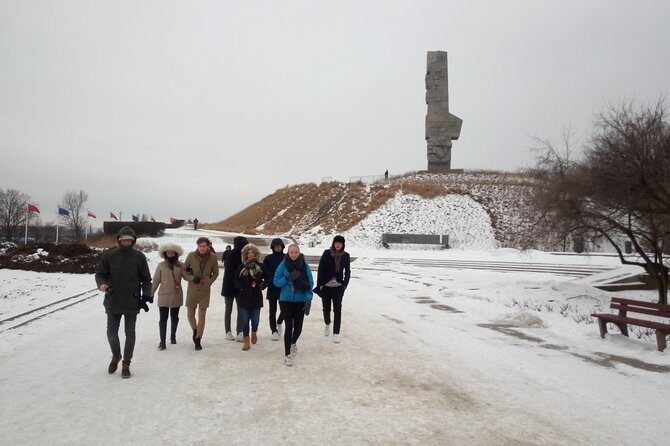
There’s also something encouraging in the idea that the guide will stick with the plan even in cold conditions. That’s not a small detail if you’re visiting in cooler months. If you dress like you’re doing a winter walk in the city, you’ll be fine.
Price and value: what $72.41 gets you
At $72.41 per person, you’re paying for a private, English-language guide with door-to-door pickup and a guided transfer. You’re also getting the Westerplatte admission ticket included for the sightseeing portion.
To judge value, I look at three things: time, convenience, and learning.
Time
You get a complete, scheduled Westerplatte visit plus transit. If you were doing it on your own, you’d likely spend time coordinating transport and arrival timing. This tour compresses that into a tidy block.
Convenience
Pickup from hotels in both Gdansk and Sopot is a real cost-saver in energy and planning. You don’t need to figure out how to get back, either. The tour returns you to your hotel the same way.
Learning
The bus transfer includes guided context about Westerplatte and the Free City of Danzig after 1918. That means your guide time isn’t limited to the walking portion. You’re not paying just for “standing and pointing.”
If you’re traveling solo or as a couple, private tours can cost more than DIY. But when you factor in pickup and guide-led context, this one tends to feel more like paying for a smooth, guided storyline than just paying for access.
Language, tickets, and “getting in” without stress
The tour is offered in English, and you’ll receive a mobile ticket. That setup is convenient because you’re not juggling printed vouchers.
It’s also described as near public transportation, which is useful as a backup plan if you’re running late. Still, the main point is that you’re picked up from your hotel, so you’re not relying on transit as your primary method.
Most people can participate. If you’re generally able to walk through an outdoor sightseeing visit, you should be fine. This tour is not presented as complicated or technical—just a guided walk and explanation at a historic site.
Private tour reality: only your group, your questions
“Private tour” can mean different things in different places. Here, it means only your group participates. That changes the tone. You can ask questions without feeling like you’re holding up strangers, and the guide can adapt the explanation pace to your group’s interest level.
If you’re the kind of traveler who likes to ask, What does this location mean in the bigger story?, this structure works well. If you’re more quiet, you’ll still get the narrative. Either way, you control the group dynamic, not the other way around.
How to get the most out of Westerplatte on this tour
You’ll get the best experience if you treat it like a guided story, not a checklist.
A few practical tips:
- Wear layers. Even when the “main” walk is short, you’ll spend time outside.
- Bring a phone notes app or small notebook. The Free City of Danzig context can give you names and themes you’ll want to remember.
- Ask about the seven-day defense as you approach the area. The guide is most helpful when you connect the explanation to what you’re seeing right now.
And if you’re comparing this to other WWII-focused stops in Poland, remember this one has a specific focus. It’s about the place where the conflict’s start becomes tangible, and the guide will keep the narrative aimed at that.
Who this tour suits best (and who might prefer something else)
This tour fits best if you:
- Want a tight, high-impact history visit without spending hours planning transit
- Prefer a private setting over sharing space and pacing with strangers
- Like having context explained as you travel, not only after you arrive
- Want an English guide who can keep things clear and moving
You might think twice if you want:
- A long, self-directed, wander-at-will experience with zero structure
- Time to do deeper museum-style reading on your own
- A tour that takes most of your day; this one is designed to be efficient
Should you book this Westerplatte private tour?
I think this is a strong booking when you value convenience and clarity. If you’re staying in Gdansk or Sopot, the door-to-door pickup alone makes the day easier. Add in the guided bus briefing about Westerplatte and the Free City of Danzig after 1918, plus the 1 hour 30 minutes on the site with admission included, and the price starts to look fair for what you actually get.
Book it if you want the WWII story anchored to real ground, with a guide who can keep your pace comfortable. Skip it if your main goal is deep, independent exploring with lots of unscheduled time. For most people, though, this feels like the smart way to see Westerplatte without wasting your day.
FAQ
How long is the Westerplatte private tour?
The tour lasts about 2 hours 30 minutes.
Do I get hotel pickup?
Yes. Pickup is offered from hotels in Gdansk and Sopot.
Is this tour private or shared?
This is a private tour/activity, so only your group participates.
Is the admission ticket included for Westerplatte?
Yes. The Westerplatte visit includes the admission ticket.
Is the tour offered in English?
Yes. The tour is offered in English.
Can I cancel for a full refund?
Yes. You can cancel for a full refund as long as you cancel at least 24 hours in advance of the experience start time. Free cancellation is subject to the tour’s local time cut-off, and the provider notes a minimum traveler requirement.