REVIEW · GDANSK
Torun – City of Copernicus Private Tour
Book on Viator →Operated by Tours in Gdansk Local Tour Operator · Bookable on Viator
Toruń is where science meets medieval brickwork.
A private day trip from Gdańsk turns Copernicus into a walkable story, inside a UNESCO Old Town that stayed largely intact through World War II. I like the way the route stitches together big landmarks with the smaller details that make Toruń feel real.
Two highlights I really like: the smooth hotel pickup/drop-off in Gdańsk, Sopot, and Gdynia, and the chance to cover multiple top Old Town spots in one guided stretch. You’ll see the leaning tower and the medieval street plan, plus key buildings tied to Toruń’s merchant power, Teutonic conflict, and Copernicus’ life.
One drawback to plan for: it’s a long day because you’re looking at about 2 hours of driving each way, and food isn’t included, only time to grab lunch or shop.
In This Review
- Quick hits before you go
- Why Toruń and Copernicus fit together so well
- Getting from Gdańsk to Toruń: private comfort, early start energy
- Starting at Old Town Hall: the UNESCO setting you’ll actually feel
- The Leaning Tower and medieval walls: when Toruń’s scale makes sense
- New Town, merchant power, and Hanseatic-era buildings
- St. James and the Gothic church spires you’ll remember
- Teutonic Order castle ruins: where conflict reshaped the map
- Copernicus birthplace: turning astronomy into something you can picture
- St John Cathedral entry: practical value of included tickets
- Gingerbread and the lunch reality: plan for free time, not included meals
- Timing and pacing: what 8 hours feels like on the ground
- Price and value: is $302.83 per person worth it?
- Who should book this Toruń Copernicus tour?
- Should you book this Toruń – City of Copernicus Private Tour?
- FAQ
- What is the tour duration?
- Where is pickup available?
- What time does the tour start?
- Is this a private tour?
- What language is the tour offered in?
- What’s included in the price?
- Is lunch included?
- Do I need to buy tickets for St John Cathedral?
- Are kids allowed, and do they pay?
- What if I need to cancel?
Quick hits before you go
- Hotel pickup and a private vehicle from Gdańsk, Sopot, or Gdynia makes this easier than figuring it out on your own.
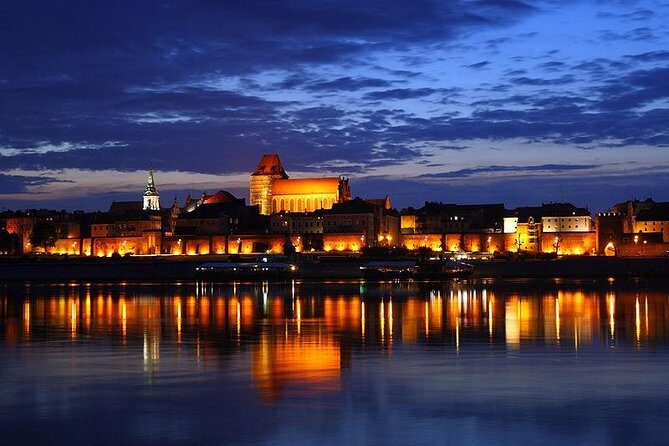
- A guided walk that covers the UNESCO Old Town layout, including major walls, towers, town buildings, and churches.
- You’ll pass through both the Old Town and the New Town story, including Toruń’s Hanseatic roots.
- Expect Copernicus focus at his birthplace, plus a fun stop for gingerbread.
- Entrance tickets to St John Cathedral are included, so you’re not stuck with only exterior views.
Why Toruń and Copernicus fit together so well
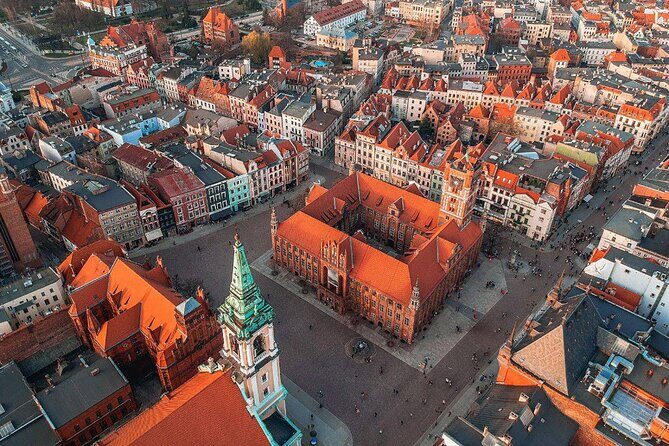
Toruń is the kind of place where you can connect ideas fast. You start with a medieval city that looks like it was designed to last, then you layer on the life of Nicolaus Copernicus, the most famous astronomer to come out of this region.
What makes this tour work is the pacing: you get a guided walk through the core UNESCO area, and you also get a clear thread to follow—how Toruń’s city life, politics, and education shaped the world that produced Copernicus.
If you like travel that teaches without feeling like a classroom, this is a strong match. The day is built for understanding, not just sightseeing photos.
If you're still narrowing it down, here are other tours in Gdansk we've reviewed.



Getting from Gdańsk to Toruń: private comfort, early start energy
This is set up as a door-to-door day. Pickup starts from your hotel or apartment in Gdańsk, Sopot, or Gdynia, with the tour beginning at 9:00 am.
It also helps that the transport is private. In one example, the driver Mirek Kopec showed up on time and kept things friendly, with stories and facts along the road. That matters when you’re committing to a full day across two cities.
The trade-off is plain: Toruń is not next door. You’re spending roughly 2 hours driving one way, so you’ll want to treat this as a day trip with the mindset of go early, pay attention, and relax on the return.
Practical tip: bring water and something small to snack on before the guided portion starts. Food isn’t included, and you’ll be concentrating for hours.
Starting at Old Town Hall: the UNESCO setting you’ll actually feel
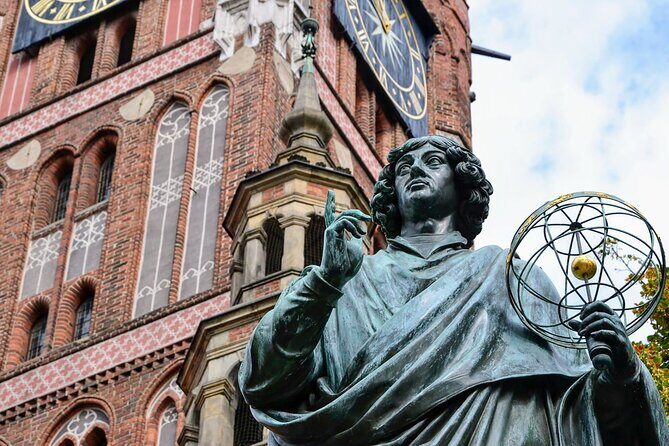
The tour begins at the Regional Museum area in Toruń’s Old Town Hall, right before you step into the historic core. It’s a good start point because you’re immediately in the right atmosphere—this is not a city where you can miss the medieval fabric.
From there, your guide leads you through the UNESCO World Heritage Old Town, a place inscribed in 1997 for its largely intact medieval street plan and outstanding buildings. That intact layout is a big part of why Toruń feels “coherent” instead of patchy.
You’ll begin with the best-known medieval views, then keep moving through the city’s story rather than hopping randomly between monuments. The result is that you start seeing patterns—walls, gates, civic buildings, and church spires lining up like clues.
The Leaning Tower and medieval walls: when Toruń’s scale makes sense
One of the first major sights is the Leaning Tower, connected to Toruń’s medieval walls. It’s one of those landmarks that instantly gives you a sense of scale: you understand this wasn’t just a town of churches and houses; it was a defended city.
From a traveler’s perspective, starting here is smart. You get the “wow” moment early, when you still have energy, and then your guide can explain how the city’s fortifications shaped street life.
You’ll also pass or pause for other civic highlights tied to the medieval town, including town halls and the Artus Court. Even if you’re not a “history museum” person, the structure of these buildings makes sense once you connect them to merchants, guild life, and public power.
If you’ve ever wondered why merchant cities look so confident, you’ll catch the answer during this stretch.
New Town, merchant power, and Hanseatic-era buildings
After the early Old Town focus, you’ll move toward the story of Toruń’s adjacent New Town, founded in 1264 and later folded into the Hanseatic League about twelve years after that.
This is where your brain clicks from single landmarks to the bigger machine. You start recognizing the repeated look of red-brick merchant houses and Gothic church spires—Toruń’s signature style.
The guided time is designed to help you link architecture to function. These aren’t just pretty facades. They represent wealth, trade networks, and the city’s place in northern Europe’s commercial world.
One more benefit: you’ll get a tour that covers both “who built it” and “what it was for.” That’s the difference between a photo walk and a meaningful visit.
Other city tours we've reviewed in Gdansk



St. James and the Gothic church spires you’ll remember
Churches in Toruń aren’t random stops. You’ll see the late Gothic Church of St. James, and your guide will frame it within the city’s medieval identity.
I like this part because it gives you variety without breaking the flow. After towers and civic buildings, church architecture adds height and detail—spires, lines, and that distinct Gothic rhythm.
Even if you don’t go deep on theology, you’ll understand why the city invested in stone and ornament. Medieval towns didn’t build churches only for worship. They built them as statements.
Teutonic Order castle ruins: where conflict reshaped the map
Next comes a darker chapter that still helps you understand today’s city shape: the ruins of the Castle of the Teutonic Order, destroyed by the town’s residents in 1454.
This is the moment where Toruń stops being only charming. It turns into a place shaped by power struggles, local resistance, and shifting control.
And because these are ruins, you get a different kind of learning. A guide can point out what survives, what changed, and how the city reasserted itself after conflict.
This segment is one reason the tour feels balanced. It isn’t only “pretty old town.” You get the tension underneath the brickwork.
Copernicus birthplace: turning astronomy into something you can picture

The center of the experience is a stop at the house where Nicolaus Copernicus was born. The tour explains his life and work in astronomy, tying the big scientific story back to a specific place.
What I like about this approach is that it reduces the distance between “astronomy fact” and human life. Instead of thinking of Copernicus as a name in a textbook, you see him located in a city that offered education, debate, and practical thinking.
If you’re a science lover, you’ll enjoy the way the guide helps you connect astronomy to the era’s intellectual world. If you’re not, you’ll still come away with a clearer understanding of why Copernicus matters—and why Toruń gets to claim him.
This is also the kind of stop that makes the day feel special, not just efficient.
St John Cathedral entry: practical value of included tickets
Entrance tickets to St John Cathedral are included, which is a real help when you’re doing a time-pressured day trip. Included entry means you’re not spending the guided time working around ticket lines or paying extra on the spot.
Because cathedral interiors often take longer than exteriors, having entry handled in advance improves your odds of actually seeing what you came for.
I’d treat this as your “slow down” moment. Even a short cathedral visit can change the tone of a day from civic history to the everyday spiritual life of the city.
Gingerbread and the lunch reality: plan for free time, not included meals
You’ll get a sample of Toruń’s famous gingerbread during the day. It’s a perfect little closing flavor because it’s local, fun, and easy—no complicated meal planning needed.
For lunch, the key truth is simple: food and drinks are not included. You do get some free time for lunch or shopping, but the day is still structured around sightseeing, not sitting down for a long meal.
One earlier group feedback mentioned the lunch portion didn’t feel generous, and the tour return time was later in the afternoon than expected. So I’d plan for the “grab and go” style of lunch. If you have a must-eat spot in mind, pick it before you go or ask your guide early how long you’ll realistically have.
If you’re traveling with kids, this matters even more. Keep snacks handy and build in a quick rest when you can.
Timing and pacing: what 8 hours feels like on the ground
The day is about 8 hours total. The guided portion is around 3 hours in Toruń, with driving making up the rest.
That’s not a criticism—it’s just the reality of starting in the Gdańsk area. The tour is built for covering highlights without turning it into a multi-day project.
Just keep your expectations aligned. You’ll see major landmarks and learn the connections, but you won’t have time for endless museum wandering. If you love slow-paced, deep museum visits, you might want to pair this with a separate later day on your own in Toruń.
For most people, the structure is exactly what you want: a guided “greatest hits” day that still explains the meaning behind the sights.
Price and value: is $302.83 per person worth it?
At $302.83 per person, this isn’t the cheapest option. The value comes from what’s bundled: private transport, hotel pickup and drop-off, a professional guide, and included entrance tickets to St John Cathedral.
For a private day trip, you’re paying for convenience and time. Two hours of driving each way is hard to manage without a plan, and public transport options can turn a simple day into a schedule puzzle. Here, you sidestep that and focus on the city.
It also helps that the tour notes group discounts and that it’s private—meaning your group stays together rather than sharing the guide with strangers.
Bottom line: if you’re going as a couple or small group and you want a guided, meaningful tour of Toruń without logistics headaches, this price looks more reasonable. If you’re traveling solo on a strict budget, you might compare it to independent options—but you’d be trading away the guided clarity and included entry.
Who should book this Toruń Copernicus tour?
This tour fits best if you want a structured day with a clear theme: Copernicus plus UNESCO Toruń highlights. It’s also a good choice if you’re staying in Gdańsk and don’t want to spend time figuring out transport and timing.
You’ll likely enjoy it if you:
- Like walking tours where the guide connects buildings to stories
- Want to see multiple Old Town landmarks in one go
- Enjoy science or at least like learning where famous thinkers came from
- Prefer a private setting for families or small groups
If you’re the type who needs long free time in each museum or you don’t like early starts, you may find the day a bit packed.
Should you book this Toruń – City of Copernicus Private Tour?
I’d book it if you want the fast path to understanding Toruń. The combination of UNESCO Old Town walking, Copernicus birthplace focus, and included cathedral entry is a clean package for an 8-hour day trip.
Skip it only if your top priority is a relaxed, unstructured day, or if you’re hoping meals are included and you want a lighter schedule. This is a sightseeing-forward tour, and it rewards attention more than wandering.
If you do book, make it easy on yourself: wear comfy shoes, plan your lunch strategy in advance, and treat the driving time as part of the day. Once you’re in Toruń, the city moves quickly—and this route helps you keep up.
FAQ
What is the tour duration?
The tour lasts about 8 hours.
Where is pickup available?
Pickup is available from your hotel or apartment in Gdańsk, Sopot, and Gdynia.
What time does the tour start?
The start time is 9:00 am.
Is this a private tour?
Yes. It’s a private tour/activity, and only your group will participate.
What language is the tour offered in?
The tour is offered in English.
What’s included in the price?
It includes a professional guide, hotel pickup and drop-off, transport by private vehicle, entrance tickets to St John Cathedral, and a private tour. A mobile ticket is also included.
Is lunch included?
No. Food and drinks are not included, though there is time for lunch or shopping during the day.
Do I need to buy tickets for St John Cathedral?
No. Entrance tickets to St John Cathedral are included.
Are kids allowed, and do they pay?
Childs under 7 are free. You should inform the operator about kids when booking.
What if I need to cancel?
Free cancellation is available up to 24 hours in advance for a full refund.
If you tell me your travel dates and where you’re staying (Gdańsk/Sopot/Gdynia), I can help you plan what time to leave your hotel on travel mornings and how to structure lunch so the day feels less rushed.