REVIEW · GDANSK
Gdansk Old Town: German Influence Walking Tour
Book on GetYourGuide →Operated by Rosotravel Poland · Bookable on GetYourGuide
Gdansk has a German side few people notice. This private Old Town walk puts you on the Royal Route and connects German and Polish history to what you can actually see in streets and buildings. I especially like the way the guide turns architecture into a story, with names, dates, and cultural links that make the city feel less like a postcard.
The second thing I love is the stop at St. Mary’s Church, plus the guided context around major German cultural figures tied to Gdansk. If you choose the longer option, you also get Artus Court access with merchant-focused details that explain why this place mattered. One possible drawback: the experience depends on your timing and option, since the 2-hour tour does not include Artus Court tickets, and church access can be limited during mass or special events.
In This Review
- Key takeaways before you go
- German-Polish history, shown where it happened in Gdansk
- Meet at the High Gate: quick orientation, easy starting point
- The Royal Route: Golden Gate to Long Market (and why it matters)
- Motlawa River and the Hanseatic League: reading a port city on foot
- Artus Court (3-hour option): where merchants held power
- Neptune’s Fountain and the city’s “stage set” details
- St. Mary’s Church: Gothic wow, plus German cultural links
- 2-hour vs 3-hour: which option gives you the best value
- Language choice: German or Polish, and why that changes the tour
- Practical tips to get the most from your German-influence walk
- Should you book this Gdansk Old Town German Influence tour?
- FAQ
- How long is the Gdansk Old Town German Influence walking tour?
- What’s included in the 2-hour tour?
- What’s included in the 3-hour tour?
- Where is the meeting point?
- Is pickup available from hotels or accommodations?
- Which languages are offered?
- Is St. Mary’s Church tower included?
Key takeaways before you go
- A private, language-matched guide (German or Polish) keeps the story clear and tailored
- Golden Gate to Long Market is your spine, with the wealth-and-trade angle made concrete
- Motlawa River and the Hanseatic League are easier to picture when someone explains the port logic
- St. Mary’s Church adds the German-Polish cultural layer with connections like Martin Opitz
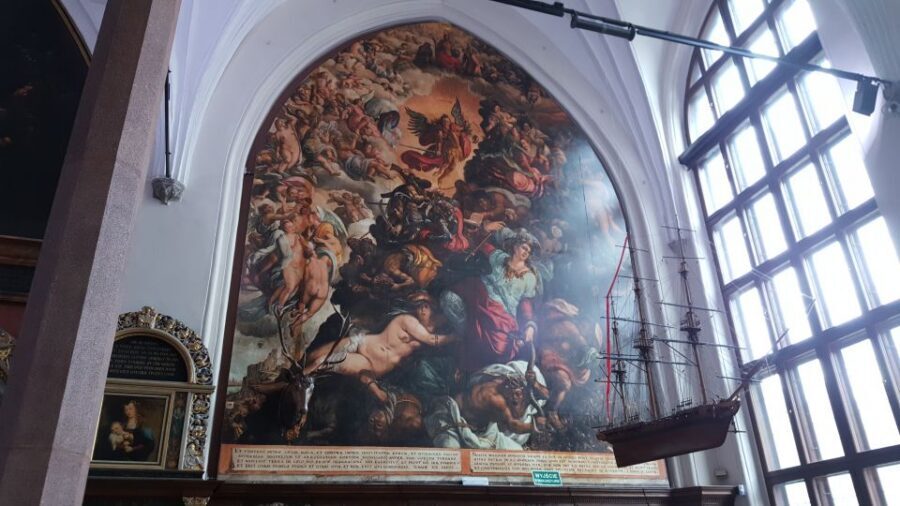
- Artus Court (3-hour option) adds merchant power, including the Last Judgment painting by Anton Möller
- It’s walkable, but plan for timing: the tour is 2 to 3 hours, and the stops aren’t the whole city
German-Polish history, shown where it happened in Gdansk
Gdansk (Danzig) is one of those cities where borders shifted, but buildings stayed. That’s exactly why this tour works. You’re not just learning abstract history; you’re walking a route shaped by trade, wealth, and foreign communities that left visible marks.
The guide frames the big relationship as more than stereotypes. You’ll hear about over 1,000 years of German-Polish relations and how the city moved through different powers. The tour also points out how the free city of Gdansk became part of the Teutonic Order for 146 years, then later connected to Prussia and the German Reich for 126 years. That context helps you understand why German influence shows up in architecture and civic life, even when the city is unmistakably Polish today.
And yes, you’ll get famous names too. You might learn how astronomer Johann Bernoulli fits into the city’s intellectual atmosphere, or how Günter Grass used Gdansk as the setting for his Danzig Trilogy, including The Tin Drum. These references aren’t just trivia; they help you see Gdansk as a place people wrote about and studied, not only fought over.
Other Old Town walking tours we've reviewed in Gdansk


Meet at the High Gate: quick orientation, easy starting point
Your tour starts at a very practical location: in front of the tourist information sign under the High Gate (Brama Wyżynna), Wały Jagiellońskie 2A, 80-887 Gdańsk. It’s about an 8-minute walk from the Main Railway Station, which is handy if your train lands late or you’re juggling other plans.
If you’re staying inside the Old Town, pickup is available. You’ll need to provide your full address when booking, and the route can be adjusted based on where you’re starting. If your accommodation is more than 1.5 km from the meeting point, the guide meets you at the High Gate sign anyway.
This matters because a good walking tour should begin with low friction. Once you’re together, you’ll have the right landmarks in your head quickly: gates, markets, and the route that guided merchants and visitors through the city center.
The Royal Route: Golden Gate to Long Market (and why it matters)
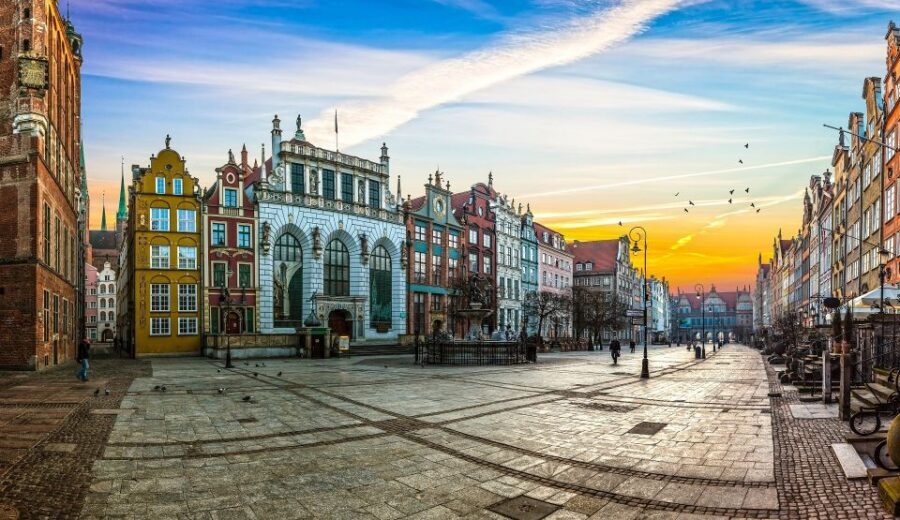
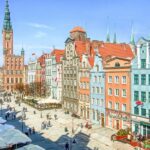
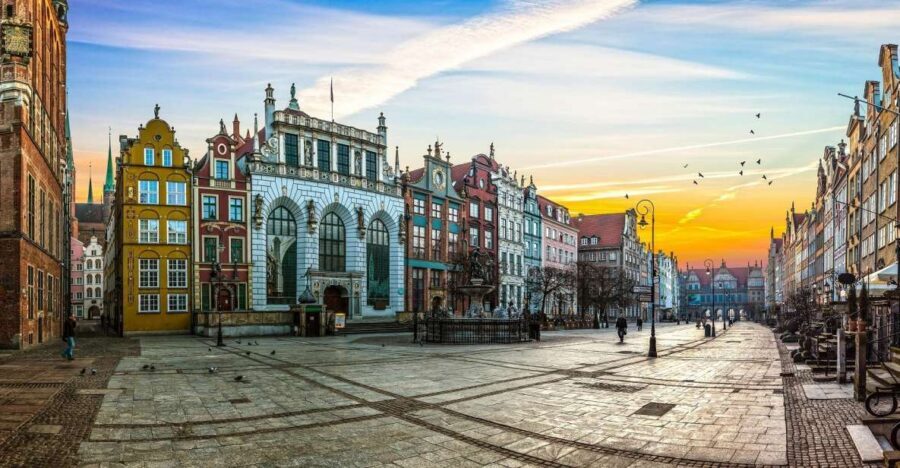
The core of the experience follows the royal route from the Golden Gate to the Long Market. This is where a guide makes a real difference. Without context, you might enjoy the views and buildings. With context, you understand why this stretch became the city’s stage for wealth and authority.
As you walk, the guide explains the pull factors that brought visitors and settlers to Danzig. One major theme is trade—especially amber and other valuable goods. It’s one thing to see old facades. It’s another to know that wealthy German merchants came looking for the kind of products that made Gdansk important in regional networks.
You’ll also get a better sense of how the city functioned. The tour ties the visual rhythm of the Old Town to civic power: who traveled here, what they wanted, and which institutions served them. That’s what turns a street walk into a story you can remember.
Motlawa River and the Hanseatic League: reading a port city on foot
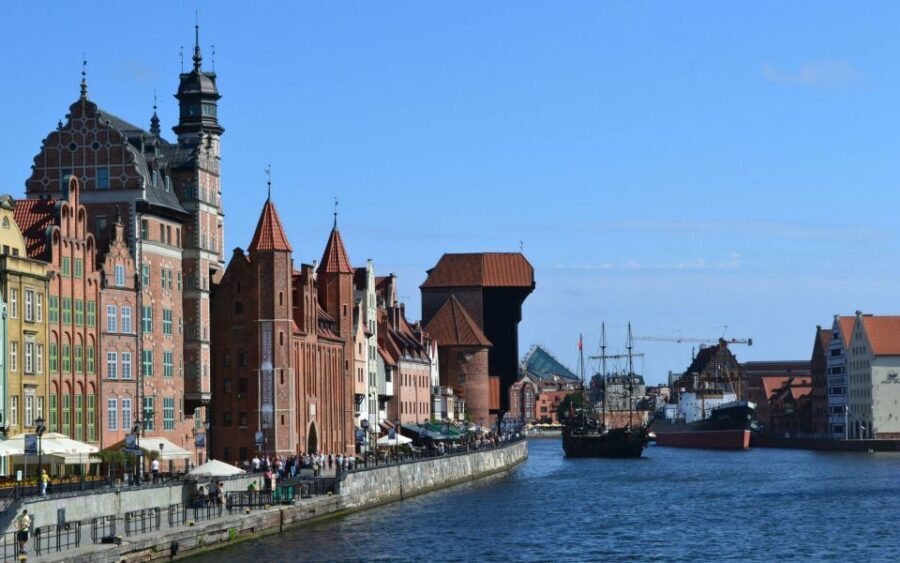
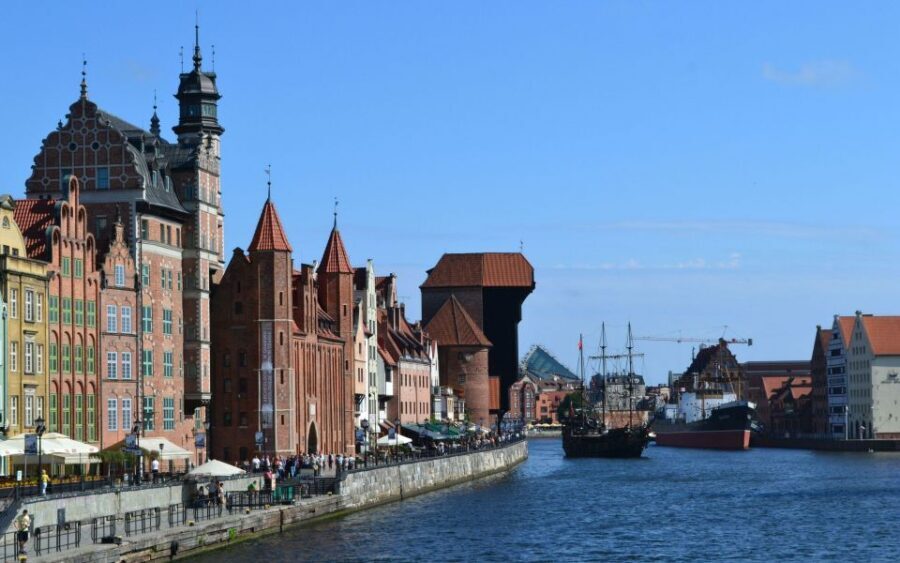
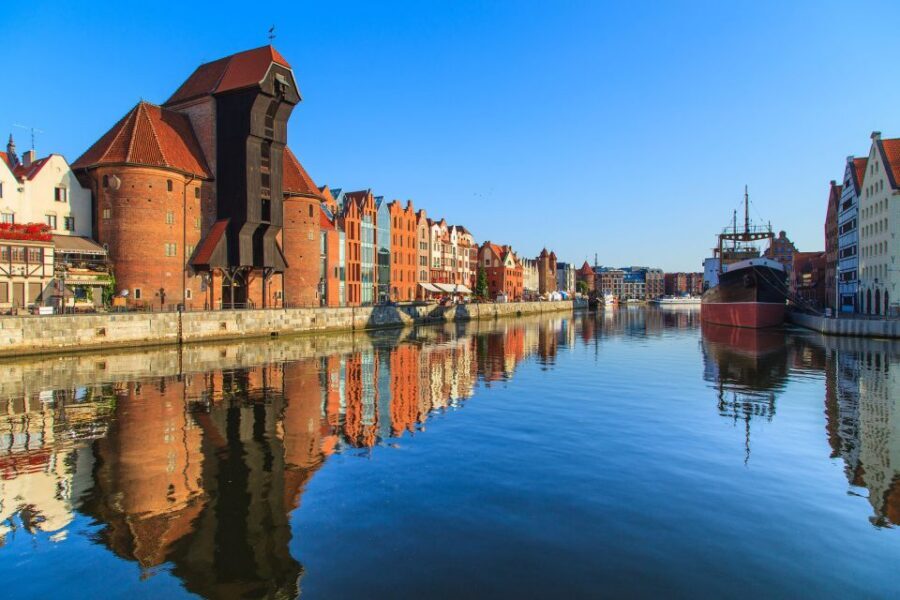
Your route brings you past key Old Town viewpoints and toward the feel of the riverfront. The Motlawa River was one of the most important ports of the Hanseatic League, and hearing that while you’re in the area changes the way you see the waterfront.
The Hanseatic League angle is valuable because it explains why this city attracted outsiders. Traders needed reliable docking, markets, and rules for doing business. Once you connect the dots between river access and trade networks, the German presence makes more sense historically.
A quick tip: keep your phone put away for a moment and look around the streets and directions your guide points out. You’re trying to form a mental map of flow—where goods likely moved, where visitors likely entered, and which landmarks served as reference points.
Artus Court (3-hour option): where merchants held power
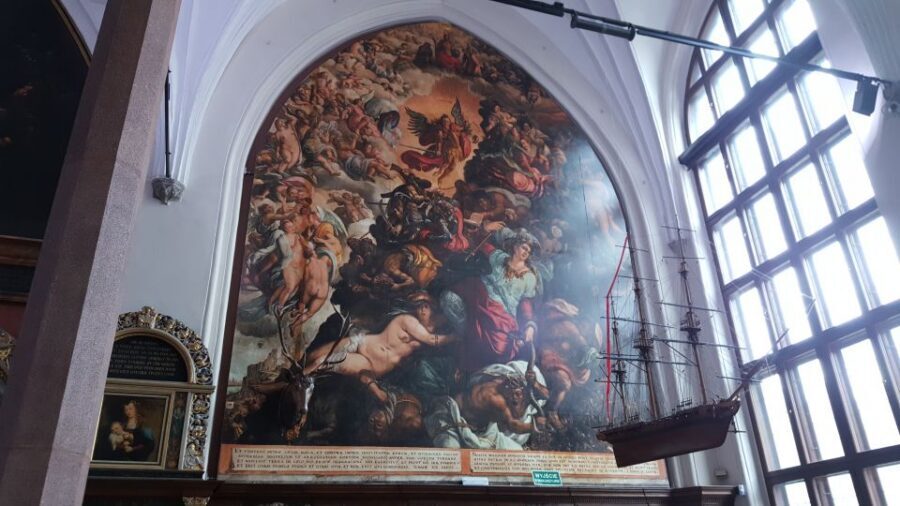
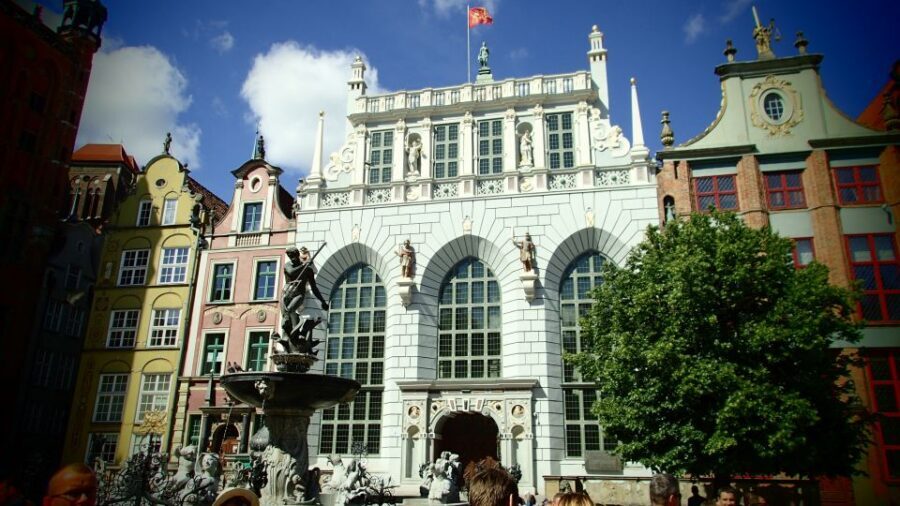
If you book the 3-hour tour, Artus Court becomes a highlight, not a quick photo stop. This is the place to understand civic strength in the 16th and 17th centuries, when the merchant class needed a meeting space that signaled status and order.
You’ll also get tickets included for Artus Court in the 3-hour option. That’s a direct value win versus the 2-hour version, where Artus Court tickets are not included.
Inside, the guide brings you beyond the general idea of a trading hall. You’ll learn about merchant-focused influences and see details tied to notable art. One specific example is the controversial Last Judgment painting by Anton Möller. Having that explained while you’re standing there lands differently than reading it later.
You’ll also hear about Barthel Ranisch, who is credited with building the eye-catching Royal Chapel. Mentioning him isn’t random name-dropping; it helps you connect how design choices signaled prestige and cultural taste.
If you’re the type of traveler who likes cities to make sense economically—who built wealth, why, and how—you’ll likely find Artus Court worth the extra hour.
Other German-language tours in Gdansk

Neptune’s Fountain and the city’s “stage set” details
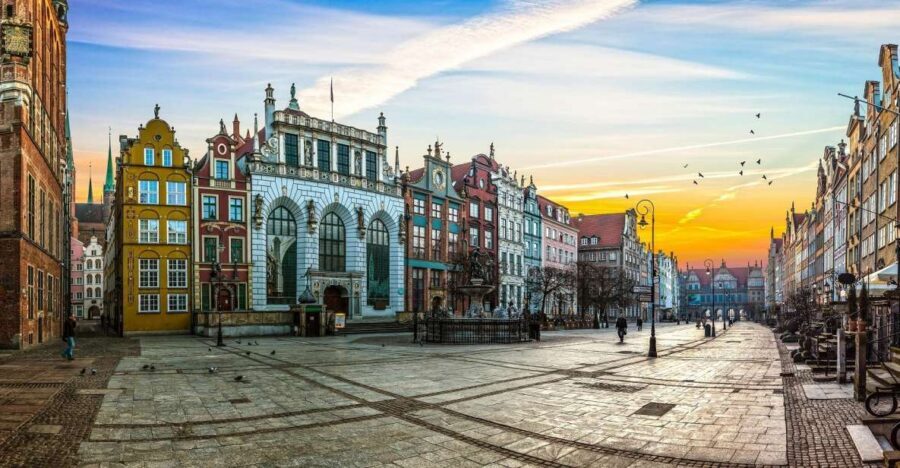
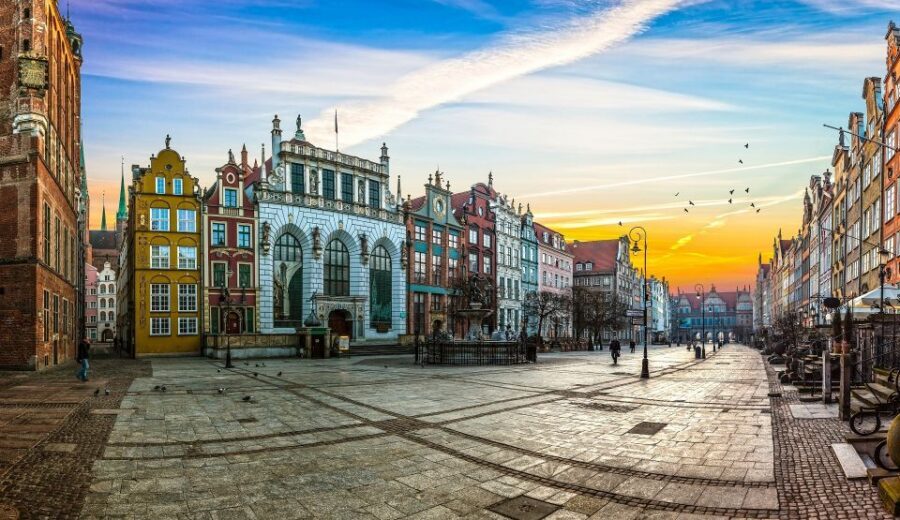
As you move through the Old Town, you’ll pass Neptune’s Fountain. It’s a familiar landmark, but on this walk it’s more than a stop for a picture. The guide uses these big visual anchors to keep your orientation tied to the historical route.
This is one of the subtle strengths of the tour: the guide balances sightseeing with navigation. As you pass landmarks like Neptune’s Fountain, you start to feel where you are in relation to the river and the market area, not just where you took a snapshot.
Even if you already know Gdansk is pretty, you’ll get more out of it by thinking about who stood where and why. In a port and trade city, civic spaces weren’t only for beauty—they were for gathering, showing power, and trading information.
St. Mary’s Church: Gothic wow, plus German cultural links
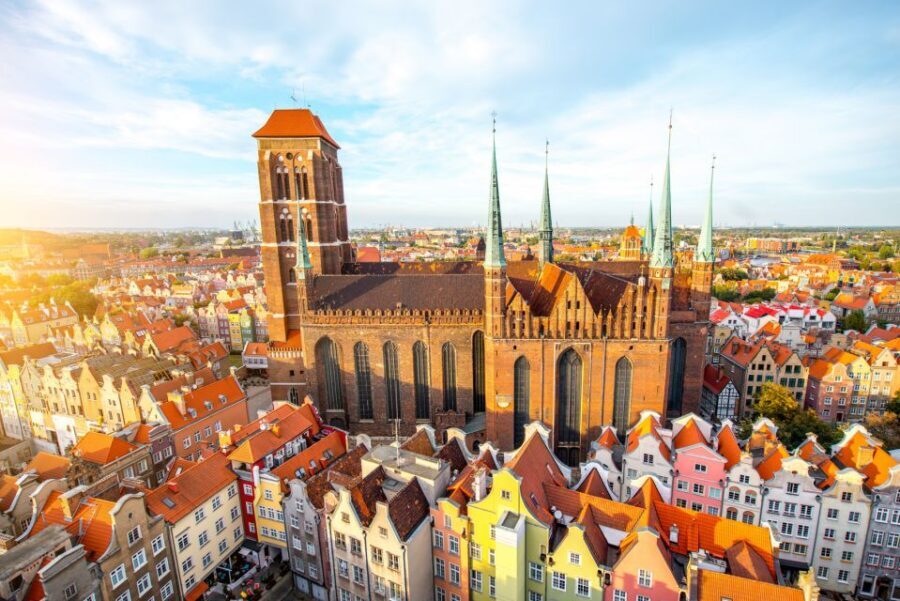
The tour’s final major attraction in both options is St. Mary’s Church, and that stop is a big reason the experience feels complete. You’ll have free admission included to the church itself.
You’re also likely to enjoy the way the guide frames it culturally. Martin Opitz, a brilliant German Baroque poet, is buried here. That’s the kind of connection that can change how you interpret a church you’ve seen in other cities. It becomes a shared space where identities, not just faith, left their marks.
A practical note: access inside churches during mass and special events (like scheduled concerts) can be limited. In those cases, your guide may provide details outside rather than offering a full inside experience. So if you’re planning around a specific time of day, expect that the building’s schedule can affect what you physically see.
And one more detail to keep expectations straight: the tour includes St. Mary’s Church entry, but tickets to the church tower are not included.
2-hour vs 3-hour: which option gives you the best value
This is where you should choose based on what you want most: overview depth or merchant-hall access.
The 2-hour tour focuses on the German trail through the Old Town and includes St. Mary’s Church (free admission). It gives you the main route feel—Golden Gate to Long Market, key sights along the way, and the cultural story beats.
The 3-hour tour adds Artus Court, and that’s the real upgrade. Artus Court tickets are included, so you’re not paying extra for access. If you care about Hanseatic League context, merchant power, and the specific art details inside, this option is the better match.
Price is listed as $108 per person, and what you’re really buying is a private, licensed 5-star guide experience, plus included entries based on option. For a city like Gdansk, where history repeats itself across buildings, a guide can save you time and confusion. You’re not stuck piecing together the German-Polish timeline on your own.
If you have limited time or you’re combining this tour with other Old Town activities, the 2-hour option is a strong way to get the big story. If you’re staying longer and want the merchant-court atmosphere in more detail, pick the 3-hour tour.
Language choice: German or Polish, and why that changes the tour
The guide is fluent in the selected language—German or Polish. That matters more than you might think. When the history includes names like Johann Bernoulli, Günter Grass, Barthel Ranisch, and Martin Opitz, you’ll enjoy it more when pronunciation and nuance are handled by someone trained to explain it.
Also, the tour is private, so you can ask practical questions as you walk. If you’re curious about why German influence shows up in certain architectural choices, or how trade shaped the city’s layout, you’ll have an easier time getting answers than on a big group tour.
Wheelchair accessibility is listed as available, and the group type is private. That tends to make it easier to move at a pace that suits you.
Practical tips to get the most from your German-influence walk
Here are a few habits that will help this tour click fast:
- Wear shoes that handle Old Town walking. You’ll be moving for 2 to 3 hours, and cobblestones can slow you down.
- Take your cues from the guide’s directions. This walk is about reading the city, so your attention matters more than photos.
- Decide ahead of time if you want a church-focused experience. If you care about St. Mary’s Church details, both options deliver, but the tower isn’t included.
- If you choose Artus Court, remember it’s only part of the 3-hour option. Plan your schedule accordingly.
- Check your email the day before the tour for important information. That’s where you’ll get updates needed for a smooth start.
Should you book this Gdansk Old Town German Influence tour?
I’d book it if you want Gdansk to make sense beyond beauty. This walk is built to explain how German communities and institutions interacted with Polish city life through centuries, using real landmarks—St. Mary’s Church, Artus Court, Neptune’s Fountain, and the royal route between Golden Gate and Long Market.
Choose the 2-hour option if you want the main story quickly and you’re happy with St. Mary’s Church as the big interior stop. Choose the 3-hour option if Artus Court sounds like the kind of place you’ll linger—trade halls, merchant power, and that Anton Möller Last Judgment detail.
If you’re sensitive to church schedule limits (mass or events), keep your expectations flexible for what you see inside St. Mary’s on the day. For most visitors, this is still one of the more meaningful ways to understand Gdansk’s layered past while you’re standing right in it.
FAQ
How long is the Gdansk Old Town German Influence walking tour?
The tour duration is listed as 2 to 3 hours. You’ll be able to check availability to see starting times.
What’s included in the 2-hour tour?
The 2-hour tour includes the German History Old Town walk and a free admission visit to St. Mary’s Church. Artus Court tickets are not included for this option.
What’s included in the 3-hour tour?
The 3-hour tour includes the Old Town walk with St. Mary’s Church plus tickets to Artus Court. Artus Court access is part of this longer option.
Where is the meeting point?
Meet your guide in front of the tourist information sign under the High Gate (Brama Wyżynna), Wały Jagiellońskie 2A, 80-887 Gdańsk. The activity ends back at the meeting point.
Is pickup available from hotels or accommodations?
Pickup is available for accommodations/hotels located in the Old Town. If your accommodation is more than 1.5 km away (or you don’t provide your address), the guide meets you at the High Gate meeting point.
Which languages are offered?
The live tour guide is available in German and Polish.
Is St. Mary’s Church tower included?
No. The tour includes free admission to St. Mary’s Church, but tickets to the church tower are not included.