REVIEW · GDANSK
PIEROGI classes with Masterchef
Book on Viator →Operated by Retro Tour Gdańsk Eliza Wasiewicz · Bookable on Viator
Pierogi classes in Gdansk feel like dinner with a plan. This 2-hour masterclass has you making two different types of pierogi with a specialist chef, then settling in for craft beer and a shot of regional liqueur.
What I like most is that it’s not just watching. You’re doing the work, from dough to filling, and you leave with a real souvenir you can repeat at home.
I also appreciate the host care. Retro Tour Gdańsk’s Eliza Wasiewicz runs the experience, and the class format is built for clear coaching, good feedback, and a relaxed private-group vibe. A separate note from the class environment: one session was set in a rustic downstairs space inside a pierogi-focused restaurant.
One watch-out: the meeting address can be hard for some taxis to spot. If you’re arriving by car, give yourself a buffer and double-check the exact address so you don’t miss your slot.
In This Review
- Key things to know before you go
- A 2-hour Gdansk pierogi masterclass with beer and liqueur
- Where the class starts: Pan Papuga and avoiding the “wrong door” problem
- Getting set up: an appetizer and rye bread that jump-starts the evening
- Making pierogi: two types, full hands-on work, real technique
- The pierogi restaurant vibe: private, calm, and focused
- Craft beer and liqueur: why the drinks aren’t just extra
- Value check: what $115.17 buys you in real terms
- Best for: food lovers who want a skill, not just a meal
- A note on timing and getting there: plan smart, not perfect
- Who runs it: Eliza Wasiewicz and the host-led feel
- Should you book the pierogi class with Masterchef in Gdansk?
- FAQ
- How long is the pierogi class in Gdansk?
- What will I make during the class?
- Who teaches the class?
- What food is included?
- What drinks are included?
- Is this a private class?
- Where do I meet for the class?
- What is the end point of the experience?
- When will I get confirmation after booking?
- Can I get a refund if I cancel?
- FAQ
- Is there a minimum number of travelers?
- How far in advance is it typically booked?
Key things to know before you go
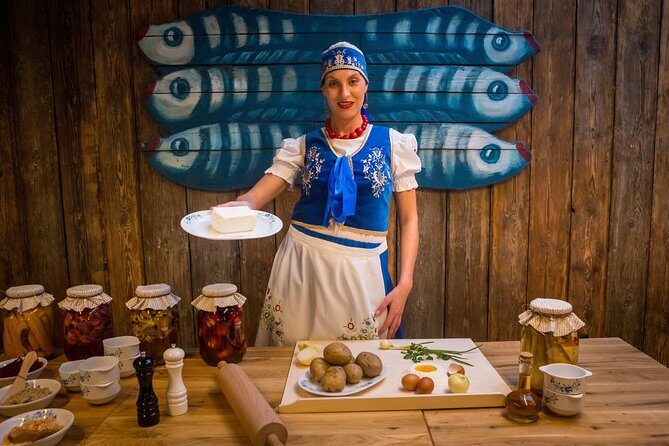
- Two pierogi styles in one sitting: you’ll make a pair of varieties, not just one.
- Chef instruction that’s meant to be understood: expect step-by-step guidance and corrections.
- Food comes with the class: rye bread and an appetizer are part of the meal flow.
- Drinks are part of the experience: a pint of local craft beer plus a liqueur shot with history and recipes.
- Private by design: it’s only your group, so questions are easier and pacing is calmer.
A 2-hour Gdansk pierogi masterclass with beer and liqueur
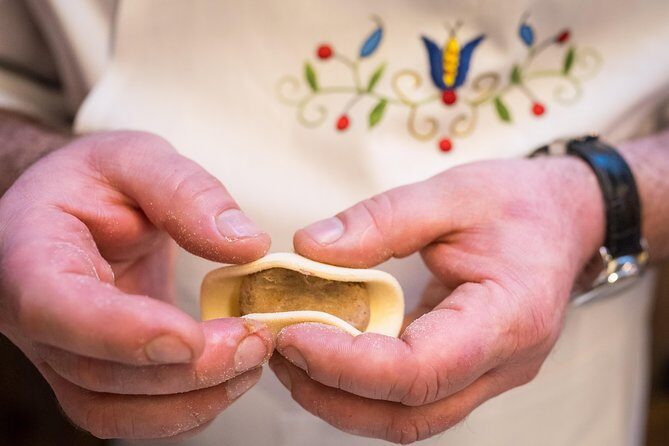
If you’ve got a short time in Gdansk and want one activity that feels like Polish culture you can take home, this pierogi class is a solid pick. It’s built around a simple idea: pierogi are a skill, not a souvenir you buy at a shop. You learn the technique, you shape the dumplings, and you understand what changes when the filling is different.
At a duration of about 2 hours, the pace stays focused. You’re not stuck in a long demo. You get hands-on time, then you sit down to eat what your group has made (plus an appetizer, rye bread, and drinks). That combination matters. Cooking classes can be either “mostly teaching” or “mostly eating.” This one tries to land in the middle: you work, then you enjoy.
The included food and drink also make the class more than a cooking chore. You start with a local appetizer with rye bread, then you move into the dumpling-making process, and later you get beer and a liqueur shot. It turns a kitchen lesson into an evening meal you’d actually want on a trip.
If you're still narrowing it down, here are other tours in Gdansk we've reviewed.



Where the class starts: Pan Papuga and avoiding the “wrong door” problem
The meeting point is Pan Papuga, Długa 81/83, 80-831 Gdańsk. The good news: it’s near public transportation, so you’re not forced into a taxi if you’d rather keep costs down. The less-fun news is that some drivers can struggle with the exact address.
Here’s the practical approach I’d use: arrive a few minutes early and confirm the entrance using your map app before you commit to walking in. If you’re using a ride-hail or taxi, tell the driver the full address and be ready to step out and guide them if needed. This is one of those small logistics details that can decide whether the evening starts smoothly or turns into a stressful scramble.
The activity ends back at the meeting point, which is convenient. You won’t need to plan a second journey right after your class when you’re hungry and your hands are still carrying a dough smell.
Getting set up: an appetizer and rye bread that jump-starts the evening
Before the dumpling work begins, you’ll have a local appetizer plus rye bread. Even if you’re not a big “starter” person, this part helps you enjoy the class more. Rye bread is a classic Polish taste, and it anchors the meal before you start mixing fillings and worrying about dough texture.
Think of it like this: cooking classes are easier when your taste buds are already in the right mood. You’re not just learning technique in a vacuum. You’re eating food that fits the same menu world as the dumplings you’re making. That makes the whole experience feel intentional.
Also, there’s a social angle. Appetizers and bread are a natural way to settle in with your group while the chef team gets you ready for the hands-on portion.
Making pierogi: two types, full hands-on work, real technique
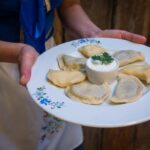
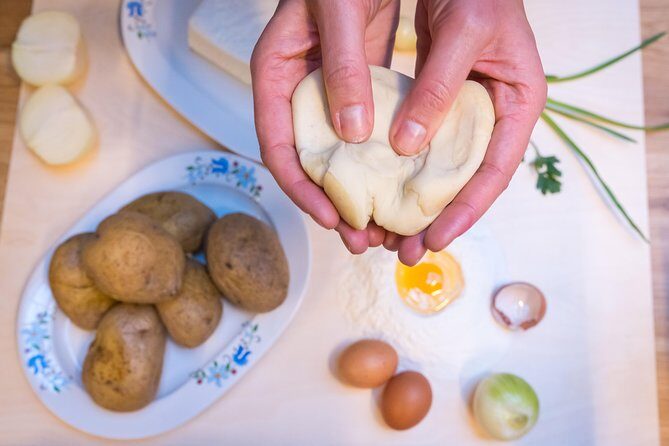
The core of this experience is learning to make pierogi with a Polish chef. You’ll make two different types of pierogi during the class. That’s a big deal, because one variety teaches one filling mindset. Two varieties teach you how fillings behave differently and why the shape-and-seal process matters even when the recipe changes.
Even with limited time, the class is set up to feel practical:
- You get guidance on dough and how you handle it.
- You work on filling and portions so your pierogi aren’t uneven.
- You learn how to close and shape the dumplings so they hold together.
What you’re really paying for here is repetition with support. Pierogi are simple on paper, but they punish bad technique fast. Too thick dough, loose seams, uneven filling amounts—those things show up when you cook. A chef’s feedback helps you avoid common errors while your hands are learning.
This is also where the “specialist chef” angle matters. A chef who focuses on pierogi dumplings understands the typical problems people run into. You don’t want general Italian-style cooking advice in a Polish dumpling class. You want the specific know-how that makes pierogi come out right.
The pierogi restaurant vibe: private, calm, and focused
This is a private tour/activity, meaning only your group participates. That changes the experience. Group size affects pacing, and pacing affects how confident you feel when you’re working with dough. With fewer people, it’s easier to ask the question you actually have in the moment, rather than waiting until the chef finishes with everyone else.
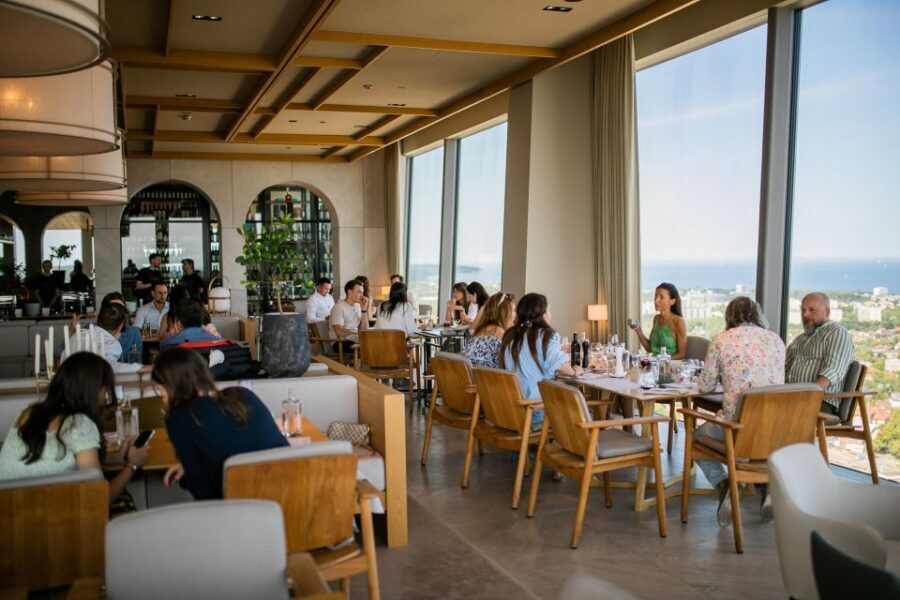
The setting is also part of the appeal. One account described a rustic downstairs space within a restaurant that specializes in pierogi. That kind of room tends to feel less like a classroom and more like a working kitchen with a lesson built into it.
If you care about learning, a calmer room helps. You’ll likely spend less time hovering and more time doing.
A few more Gdansk tours and experiences worth a look
Craft beer and liqueur: why the drinks aren’t just extra
This class includes a pint of local craft beer plus two shots of regional liqueur. You also get the liqueur’s history and recipes, which matters because it turns drinks into context. When you know what you’re tasting and where it comes from, you enjoy it more and you remember it longer.
The timing works too. The beer arrives as the class experience is already underway, so it doesn’t turn into a chaotic “party first” vibe. It’s still an evening you can focus on, but with the Polish-style social energy turned up.
There’s also a practical angle: liqueur is a common way cultures share flavor stories. It’s not just about alcohol content; it’s about tradition and method—how the flavor is built and why people serve it.
If you’re the type who likes your food experiences with a bit of narrative, don’t skip the liqueur history portion. Those minutes often leave people feeling like they got more out of the class than just dumplings.
Value check: what $115.17 buys you in real terms
At $115.17 per person, the price isn’t bargain-bin, but it also isn’t inflated if you look at what’s included.
You’re getting:
- About 2 hours of guided instruction from a specialist chef
- Hands-on time making two types of pierogi
- An appetizer with rye bread
- A pint of local craft beer
- Two shots of regional liqueur
- Liqueur history and recipe context
Cooking classes can be expensive when they’re just “watch and snack.” Here, you’re doing the work and eating the result. You’re also getting multiple beverages included, which many food experiences treat as an upsell.
If you’re coming as a couple, the value often feels better because you can share the learning and compare technique differences. If you’re traveling solo, it’s still a good value if you genuinely want an edible skill, not just a photo moment.
One more thing: this is in Gdansk, and this class ties itself directly into local ingredients and drink culture. That’s the kind of activity that tends to stick in your memory, because you can reproduce it later.
Best for: food lovers who want a skill, not just a meal
This class is a great fit if you:
- Want one hands-on Polish experience in a short window
- Like learning by doing, with coaching
- Enjoy food and drinks together as part of the same evening plan
- Prefer a private format for comfort and easier questions
It’s also a nice birthday or gift-style activity. One account used it as a birthday present for a son who loves cooking, and the experience matched those expectations because it’s practical and structured.
If you’re someone who hates kitchens, messy hands, and close instruction, you may feel constrained. But if you’re willing to get a little flour on your sleeves, this is exactly the kind of class that makes travel feel useful.
A note on timing and getting there: plan smart, not perfect
Because one class experience was missed due to a taxi not locating the address, I’d take logistics seriously here. Don’t assume the driver will find the door without help. Use navigation, show the exact pin, and build in a small buffer.
The experience starts at Pan Papuga and ends back there. That makes it easier to plan a full evening: you can arrange dinner after you leave the meeting point rather than crisscrossing town.
If you’re arriving on public transportation, you’ll probably find it straightforward since the meeting point is near transit. Just be mindful of street layouts and walking time.
Who runs it: Eliza Wasiewicz and the host-led feel
The provider is Retro Tour Gdańsk, led by Eliza Wasiewicz. Even if you don’t know her ahead of time, the point is that the experience is host-driven, not drop-and-hope.
From what I see in the way the class is described and organized, you’re likely to get:
- Clear communication before and during the class
- A friendly rhythm that keeps the group engaged
- Accommodations if there’s a scheduling misunderstanding on your end
If you’re traveling with a plan that’s tight, the host’s role matters. Food experiences can derail when communication breaks. Here, Eliza is the point person, and that reduces uncertainty.
Should you book the pierogi class with Masterchef in Gdansk?
Book it if you want a genuinely Polish food activity that gives you more than eating. This class checks the big boxes: hands-on pierogi making, specialist chef coaching, a meal flow with rye bread and appetizer, and drinks included with context. It’s also short enough to fit cleanly into a travel schedule.
Skip it only if you strongly dislike cooking stations, mess, or step-by-step instruction. And treat the meeting location like it matters, because it does. Show up early, use the full address, and don’t let a last-minute taxi hunt put you behind.
If you’re aiming for one memorable “I can actually do this later” experience in Gdansk, this is one of the better ways to spend a couple hours.
FAQ
How long is the pierogi class in Gdansk?
It runs for about 2 hours.
What will I make during the class?
You’ll make pierogi dumplings, specifically two different types.
Who teaches the class?
A Polish chef teaches you during the pierogi-making session, and the experience is run by Retro Tour Gdańsk (Eliza Wasiewicz).
What food is included?
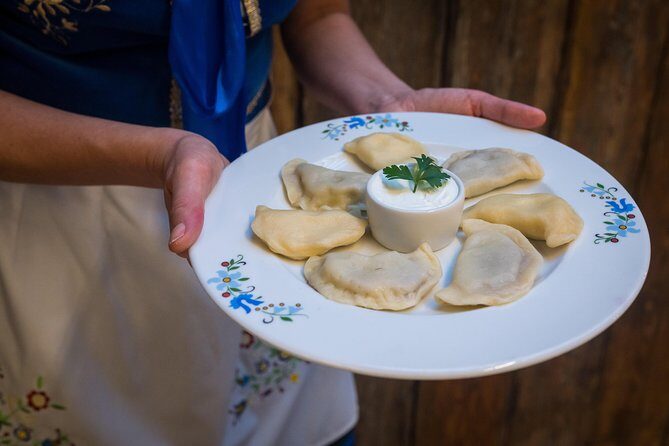
You’ll have an appetizer with rye bread, plus the pierogi you prepare during the class.
What drinks are included?
You’ll get a pint of local craft beer and two shots of regional liqueur. The liqueur comes with history and recipes.
Is this a private class?
Yes. It’s a private tour/activity, and only your group participates.
Where do I meet for the class?
The meeting point is Pan Papuga, Długa 81/83, 80-831 Gdańsk, Poland.
What is the end point of the experience?
It ends back at the meeting point.
When will I get confirmation after booking?
You’ll receive confirmation at booking time unless you book within 2 hours of travel, in which case confirmation is provided as soon as possible based on availability.
Can I get a refund if I cancel?
Yes. You can cancel up to 24 hours in advance for a full refund.
FAQ
Is there a minimum number of travelers?
Yes. The experience requires a minimum number of travelers; if it doesn’t meet that minimum, you’ll be offered a different date/experience or a full refund.
How far in advance is it typically booked?
On average, it’s booked about 49 days in advance.